 By
By
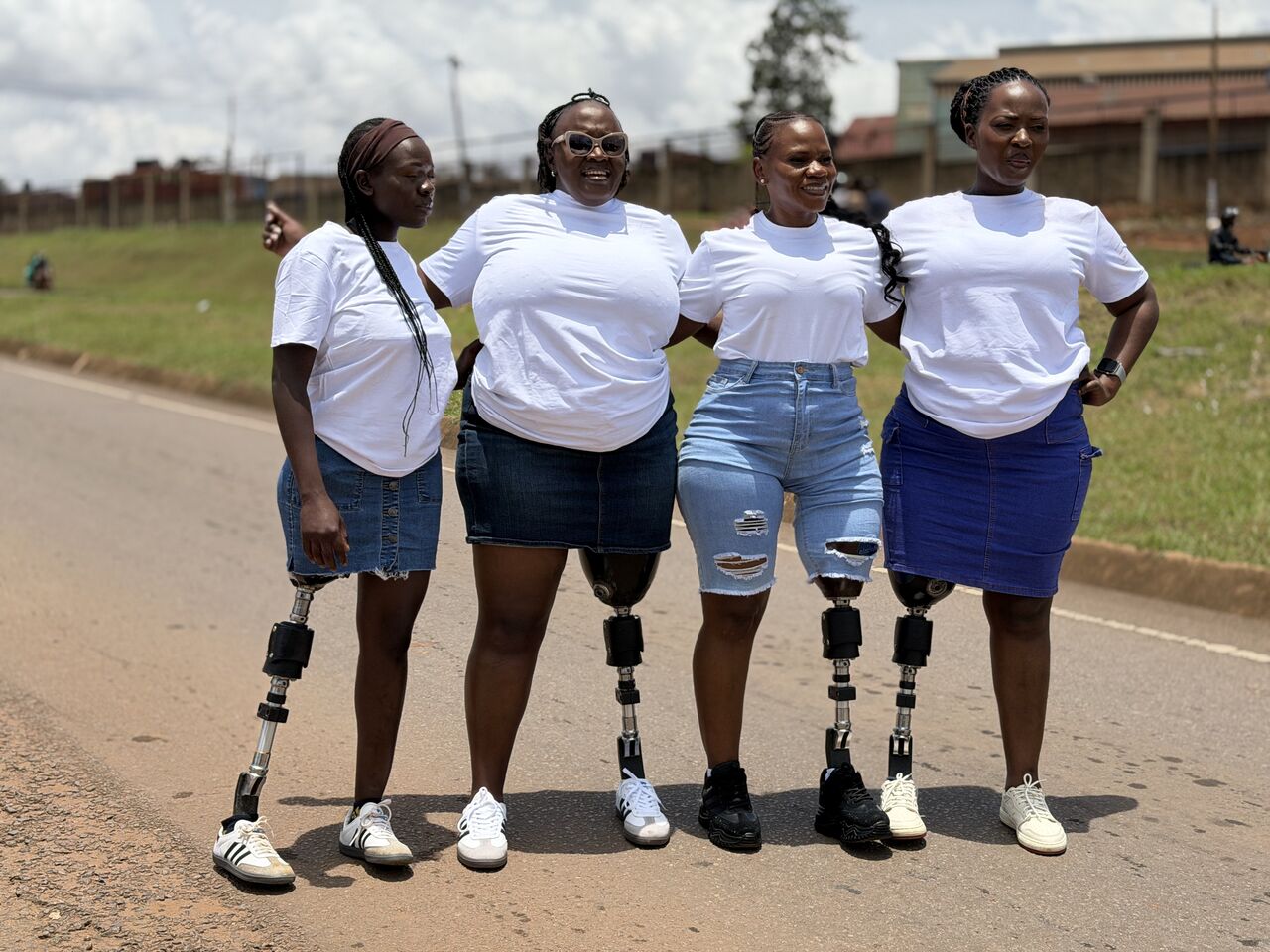
A new Limb Loss Awareness Month message from Uganda has put the focus where it belongs: not on loss alone, but on the resilience, dignity, and determination that rise after it. The message celebrates women living with limb loss not for what happened to them, but for how boldly they continue to live, walk, work, and inspire others through community, adaptation, and everyday strength.
That framing matters. Limb loss is often discussed in clinical or technical terms, but the lived reality is much broader. Every prosthetic step reflects a story of survival, adjustment, rehabilitation, and the determination to keep moving forward. During April’s Limb Loss and Limb Difference Awareness Month, that human side of prosthetic care deserves just as much attention as the devices themselves.
For IMEA CPO readers, the most important line in the message may be this: access to prosthetic care, rehabilitation, and inclusive communities is not a privilege, it is a right. That is not simply a slogan. It reflects the reality that a prosthesis alone is rarely enough. Real recovery depends on fitting, follow-up, physical rehabilitation, psychosocial support, peer connection, and the wider social environment around the user.
The statement also highlights the role of partnership in making that possible. It thanks STAND | We Walk Together, which says it works across sub-Saharan Africa to help amputees access prosthetic legs, rehabilitation, clinic capacity building, and inclusion support, including partner work in Uganda.
It also acknowledges the work of the Amputee Self-Help Network Uganda (ASNU), a Ugandan organization that describes itself as supporting people affected by limb loss through rehabilitation, psychosocial support, and wider inclusion efforts. Public profiles of ASNU present it as a community-led network serving amputees affected by causes including road crashes, medical conditions, and explosive hazards.
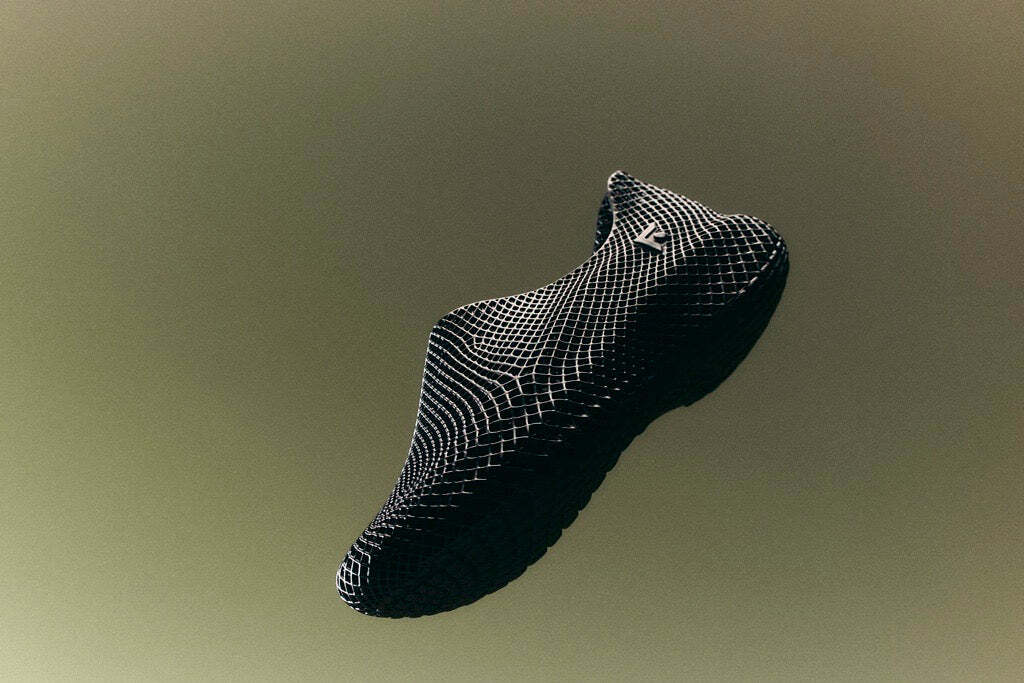
Another notable part of the message is its reference to Circleg, whose prosthetic technology is praised for making the process of donning a prosthetic leg “look so cool.” Circleg describes itself as a Swiss-Kenyan social enterprise focused on quality prosthetic solutions and broader provider support, with an emphasis on accessibility and care models suited to lower- and middle-income settings.
That combination of community support, provider partnership, and product innovation is important. Too often, discussions around limb loss focus narrowly on the moment of amputation or the technical specification of a component. In reality, meaningful prosthetic care sits at the intersection of technology, rehabilitation, peer support, dignity, and long-term inclusion. This is an inference, but it is strongly supported by the way the message links resilience, community, and access together.
The Ugandan context makes that especially significant. Community-led amputee organizations can play a major role in helping users rebuild confidence, navigate rehabilitation, and advocate for more inclusive services. When that is matched by donor support, clinic partnerships, and appropriate prosthetic technology, the result is more than mobility alone. It becomes a platform for education, employment, independence, and visibility.
For IMEA CPO readers, the wider takeaway is clear. Limb Loss Awareness Month should not only be about inspiration. It should also sharpen attention on the systems people need after limb loss: access to good fitting, rehabilitation, affordable components, peer networks, and communities that see disabled people as active participants in public life rather than as passive recipients of care.
Strength, as this message puts it, is not the absence of loss. It is what rises after it. And in Uganda, that strength is being sustained not only by individual determination, but by the combined work of amputee-led community networks, rehabilitation partners, and technology providers helping more people move forward together.
Suggested hyperlinks: