 By
By
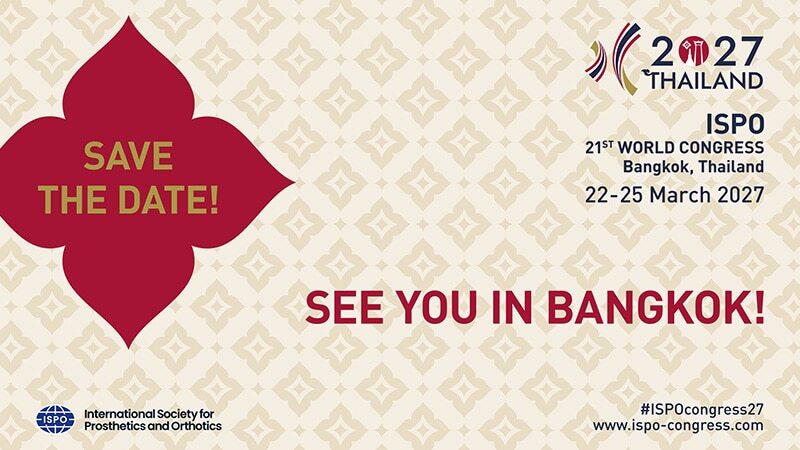
The second ISPO Congress Technical Track is inviting prosthetic and orthotic technicians, clinicians and workshop professionals to submit abstracts for presentation in Bangkok, with a deadline of Monday, 29 June.
The call is aimed at professionals who have a practical manufacturing technique, workshop method, modification tip or fabrication process that could help their technical peers improve daily practice.
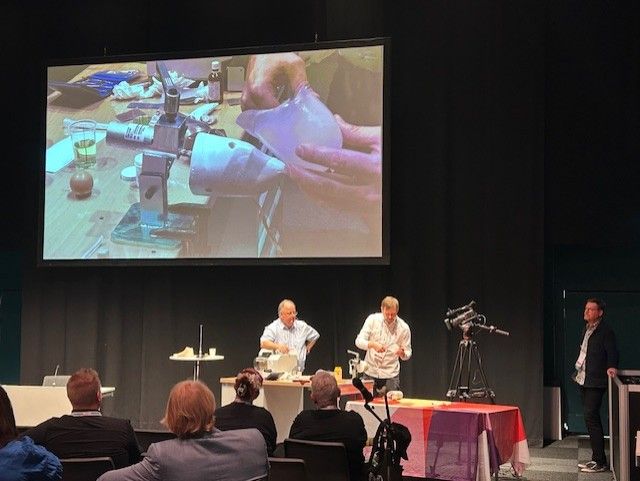
The invitation asks: “Do you have a technique that makes you manufacture easier that you would like to present to your Technical Peers?” It also encourages first-time presenters, noting that everyone starts somewhere and that the Technical Track provides access to a full P&O workshop for live, practical presentations.
For IMEA CPO readers, this is an important opportunity. Across the Middle East, India and Africa, many of the most valuable innovations in prosthetics and orthotics are not always found in product launches or academic papers. They are often developed at the bench by technicians solving real patient problems with available materials, tools and experience.
Why the Technical Track Matters
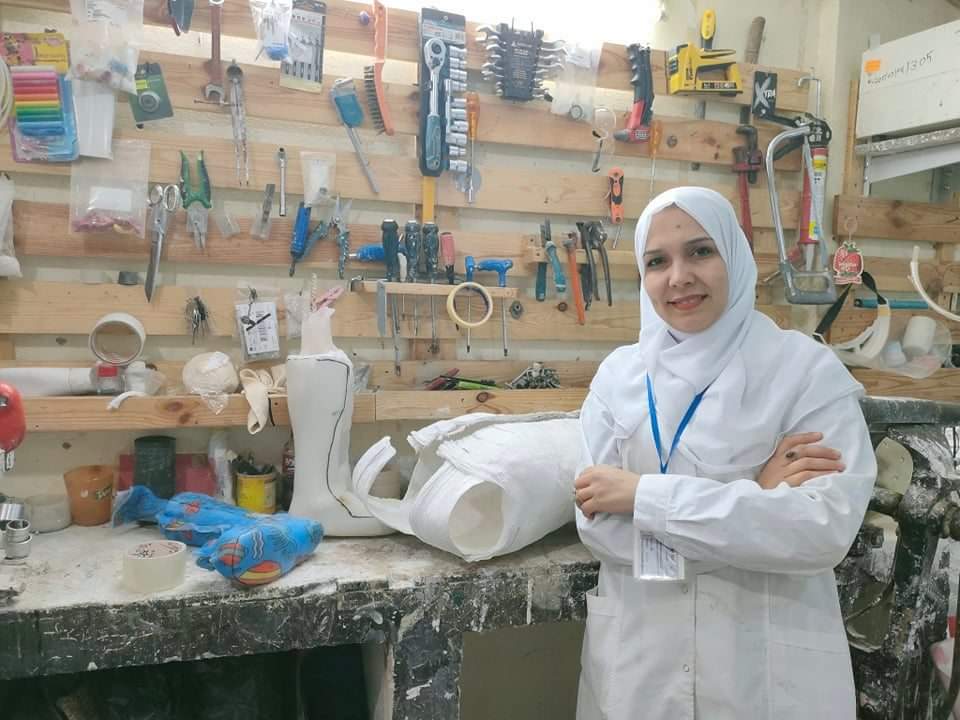
Prosthetic and orthotic technicians are central to the quality of rehabilitation services. They turn clinical prescriptions into wearable, functional devices. They manage materials, modify casts, laminate sockets, trim orthoses, align components, finish devices, repair breakdowns and solve problems that directly affect user comfort and function.
Yet technical knowledge is often underrepresented in professional conferences. Clinical case studies and research papers are important, but the sector also needs more spaces where workshop professionals can share how they actually make devices better, faster, safer or more efficiently.
The ISPO Technical Track helps address that gap by creating a setting where practical knowledge can be demonstrated, discussed and passed between peers.
A Platform for Real Workshop Knowledge
The call for abstracts is especially valuable because it focuses on techniques that make manufacturing easier. This could include methods related to:
- Prosthetic socket fabrication.
- Orthotic casting and rectification.
- Spinal brace manufacture.
- AFO and KAFO fabrication.
- Thermoplastic forming and finishing.
- Lamination techniques.
- Alignment and bench setup.
- Foot orthotic modification.
- Paediatric orthotic solutions.
- Repair and maintenance methods.
- Low-cost fabrication strategies.
- Workshop workflow and quality control.
- Use of digital tools alongside manual skills.
For many technicians, a small improvement in process can have a major effect. A better way to mark trim lines, reduce waste, handle thermoplastics, improve lamination consistency or modify a socket can save time, improve repeatability and directly benefit patients.
Why IMEA Technicians Should Consider Submitting
Technicians from the Middle East, India and Africa have valuable experience to share. Many work in environments where resources are limited, patient volumes are high and devices must be durable, repairable and affordable.
This creates a strong culture of practical problem-solving. In the IMEA region, technicians often adapt materials, repair older components, manage inconsistent supply chains and produce devices for users who may live far from follow-up care.
These experiences are highly relevant to the global O&P community. A technique developed in a busy workshop in Nairobi, Cairo, Amman, Mumbai, Lagos, Karachi, Johannesburg, Dubai or Annaba may be useful to colleagues working in similar settings worldwide.
The Technical Track offers a chance to make that knowledge visible.
Encouraging First-Time Presenters
One of the most important parts of the call is its encouragement of professionals who have never presented before.
Many skilled technicians may hesitate to submit because they do not see themselves as conference speakers. Others may feel that their knowledge is too practical or too local. But this is exactly the kind of knowledge the Technical Track is designed to capture.
A useful technical presentation does not need to be complicated. It can be based on a clear problem, a practical solution and an explanation of how the method improves manufacturing, comfort, durability, efficiency or patient outcome.
For example, a strong submission could explain:
- What problem the workshop faced.
- Why existing methods were difficult or inefficient.
- What technique was developed.
- What tools and materials were used.
- How the method is performed.
- What results were observed.
- What limitations or safety points should be considered.
- How other technicians can reproduce the approach.
This makes the Technical Track particularly accessible to technicians who may not normally submit academic abstracts.
Preserving Manual Skills in a Digital Era
The timing of this call is also significant because the O&P sector is rapidly adopting digital workflows, including scanning, CAD/CAM, milling and 3D printing.
Digital tools are valuable, but they do not replace technical judgement. Manual skills remain essential for fitting, adjustment, fabrication, finishing, alignment and repair. Even in digitally enabled clinics, technicians still need to understand anatomy, materials, gait, load transfer, trim lines, pressure relief and patient comfort.
The Technical Track can therefore play an important role in preserving and modernising workshop knowledge. It offers a space where traditional skills, digital workflows and hybrid methods can be discussed together.
For IMEA countries, this balance is especially important. Many clinics are exploring digital technology, but most still depend heavily on hands-on technical skill. Sharing practical methods can help strengthen both manual and digital practice.
Bangkok as a Regional Meeting Point
Hosting the Technical Track in Bangkok gives the event strong relevance for professionals across Asia, the Middle East and Africa. Thailand is geographically accessible for many IMEA professionals and has an established role as a regional hub for healthcare, rehabilitation and international congresses.
For technicians and clinicians from the IMEA region, the event could provide an important opportunity to connect with global peers, demonstrate local innovation and bring back practical ideas that can be applied in their own workshops.
What Makes a Good Technical Track Abstract?
A good Technical Track abstract should be practical, clear and reproducible. It should focus on a real workshop issue and explain how the proposed technique helps solve it.
Possible abstract topics might include:
- A faster method for scoliosis brace casting or mould preparation.
- A low-cost approach to prosthetic socket modification.
- A technique to improve AFO finishing and comfort.
- Workshop strategies for reducing material waste.
- Repair methods for common prosthetic component issues.
- A bench alignment tip for lower-limb prostheses.
- A hybrid manual-digital workflow for orthotic fabrication.
- A method for improving paediatric orthosis compliance.
- Practical quality-control checks before device delivery.
- Safer or cleaner lamination processes.
- Footwear modification techniques for orthotic users.
- Methods for training junior technicians.
The strongest submissions will show not only what is done, but why it matters for patients, clinicians and workshop efficiency.
A Call to the IMEA Technical Community
IMEA CPO encourages prosthetic and orthotic technicians across the region to consider submitting to the ISPO Congress Technical Track before the 29 June deadline.
The global O&P profession needs more technician voices. It needs more workshop knowledge. It needs more practical examples from real service environments. It also needs to recognise that innovation does not always come from large companies or advanced laboratories. Sometimes it comes from a technician at the bench, finding a better way to help a patient walk, sit, stand, work or participate in daily life.
The Technical Track in Bangkok is an opportunity to share that knowledge with peers — and to strengthen the technical foundation of prosthetic and orthotic care worldwide.
Conclusion
The second ISPO Congress Technical Track offers an important platform for P&O technicians and workshop professionals to present practical techniques in a full workshop setting.
For the IMEA region, this is more than a conference opportunity. It is a chance to showcase the skill, creativity and problem-solving ability of technicians working across diverse clinical and resource settings.
With the abstract deadline set for Monday, 29 June, technicians who have developed a useful technique should consider submitting. The method may feel simple to them, but it could make a meaningful difference to colleagues and patients elsewhere.