 By
By
For many prosthesis users, comfort is not only determined by the prosthetic foot, knee, hand, liner or socket design. It is also affected by the climate, daily activity level, skin condition and even the clothing worn over or around the prosthesis.
A recent Amputee Store article discussing Nike’s Aero-FIT cooling apparel highlights a practical issue that prosthetists and rehabilitation teams know well: heat and sweat can have a major effect on prosthetic comfort, suspension, skin health and confidence.
For users in the Middle East, India and Africa, this issue is especially relevant. Many prosthesis users live in hot, humid or dusty environments where sweating inside the socket is not a minor inconvenience. It can affect how the prosthesis fits, how safely the user walks, how long the device can be worn each day and whether the user continues using the prosthesis at all.
Heat and Sweat Are Clinical Issues, Not Just Comfort Problems
Prosthetic sockets create a close interface between the residual limb and the device. Liners, socks, sleeves and suspension systems are designed to improve comfort and control, but they can also trap heat and moisture.
When a residual limb sweats inside a liner or socket, several problems can occur. The limb may begin to move inside the socket, reducing control and increasing friction. Moisture can soften the skin, increasing the risk of irritation, rashes, blisters and skin breakdown. In some cases, sweating can interfere with suspension or affect the performance of myoelectric sensors in upper-limb prostheses.
This is why heat management should be part of routine prosthetic care. For clinicians and technicians, a patient reporting sweat, odour, rubbing or socket movement should not be dismissed as a lifestyle complaint. It may be an early warning sign of poor comfort, skin risk or reduced prosthesis use.
Why Clothing Choice Matters
Breathable clothing can help by improving airflow around the body and reducing the amount of heat trapped near the prosthesis. Loose, lightweight and moisture-wicking fabrics may help users feel cooler, especially during work, school, travel, sport or outdoor activity.
For lower-limb prosthesis users, trousers, leggings, socks and underlayers can influence heat around the socket and liner. For upper-limb users, shirts and sleeves may affect comfort around the harness, socket trim lines, suspension area or myoelectric electrode sites.
Clothing cannot solve every prosthetic heat problem, but it can be part of a wider comfort strategy. This includes good socket fit, appropriate liner selection, hygiene routines, sweat management, skin checks and regular review by the prosthetist.
What Nike Aero-FIT Suggests for Prosthesis Users
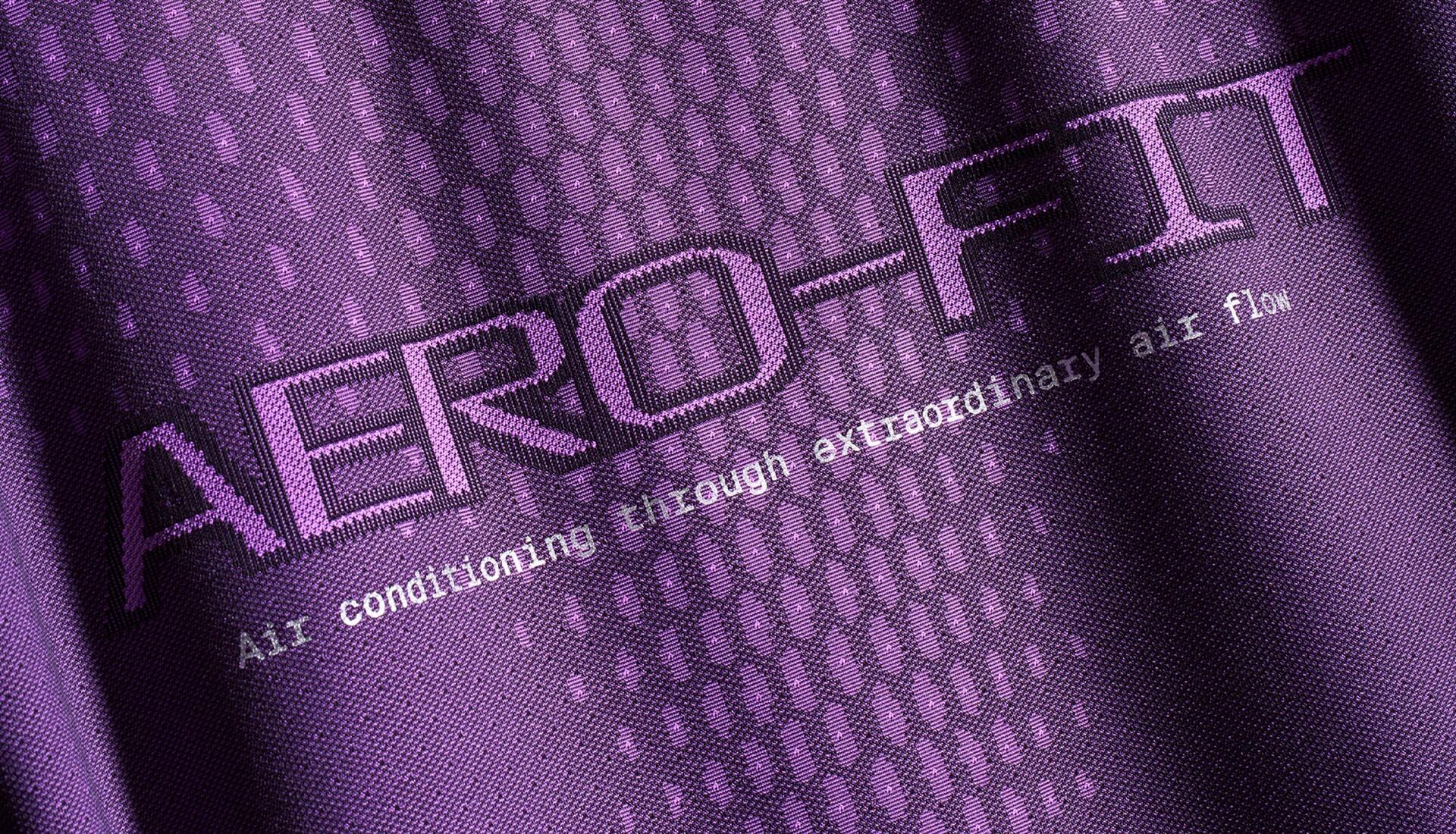
Nike’s Aero-FIT technology was developed for athletes competing in warmer and more humid conditions. Reports on the technology describe a performance material designed to improve airflow, support sweat evaporation and reduce the feeling of fabric sticking to the body during activity.
While Nike’s primary focus is elite sport rather than prosthetic rehabilitation, the wider concept is relevant to O&P: airflow, evaporation and fabric structure matter. If breathable sportswear can help athletes manage heat under pressure, similar principles may help prosthesis users manage daily comfort in demanding environments.
For prosthesis users, this does not mean that a specific sports brand is required. The more important message is that clothing should be considered as part of the prosthetic user’s comfort system. In hot climates, breathable, quick-drying and non-restrictive apparel may support longer wear time and better daily function.
The Socket Remains the Main Interface
Although clothing can help, the socket remains the most important interface between the user and the prosthesis. A breathable shirt or pair of trousers will not correct a socket that is too loose, too tight, poorly aligned or causing pressure points.
Clinicians should continue to assess the core causes of discomfort:
- Is the socket fit still appropriate?
- Has the residual limb changed volume?
- Is the liner too warm, too worn or unsuitable for the user’s environment?
- Is sweat causing movement inside the socket?
- Are prosthetic socks being used correctly?
- Is the user cleaning the liner and limb daily?
- Are there early signs of skin irritation or pressure?
- Does the user need a different suspension strategy?
For users in hot countries, these questions are especially important. A socket that works well in a cool clinic may feel very different during a full day in a Gulf summer, an African outdoor workplace or a humid urban commute.
Practical Advice for Prosthesis Users
Prosthesis users should be encouraged to think about heat management before discomfort becomes a reason to stop wearing the device. Useful steps may include choosing breathable and quick-drying clothing, avoiding heavy fabrics in hot weather, carrying a spare prosthetic sock or liner where appropriate, drying the residual limb during breaks and checking the skin at the end of each day.
Users should also be advised to report persistent sweating, slipping, redness, odour, pain or skin changes to their prosthetist. These symptoms may indicate the need for socket adjustment, liner review, suspension modification or a skin-care plan.
For some users, antiperspirants or specialist sweat-control products may be appropriate, but these should be discussed with a clinician, particularly for people with sensitive skin, diabetes, wounds or a history of skin breakdown.
What This Means for O&P Clinics in the IMEA Region
For orthotic and prosthetic clinics across the Middle East, India and Africa, heat management should be part of patient education. Many users are fitted in regions where high temperatures are not seasonal exceptions but daily realities.
Clinics can support users by discussing:
- Clothing and fabric choices.
- Residual limb hygiene.
- Liner cleaning and drying.
- Sock management.
- Safe use of antiperspirants.
- Skin inspection routines.
- When to remove the prosthesis and dry the limb.
- How to recognise early signs of socket fit problems.
- When to return for review.
This advice is particularly important for new amputees, children, active workers, athletes, diabetic patients and users living far from regular follow-up services.
A Wider Design Challenge for the O&P Industry
The growing attention around cooling apparel also raises a broader question for the O&P industry: how can prosthetic systems be made more comfortable in hot climates?
Future innovation may come from breathable liners, improved perforated materials, moisture-managing textiles, better socket ventilation, washable interfaces, heat-adaptive materials and more climate-specific prosthetic education.
For IMEA countries, this is not a niche issue. Heat, sweat and skin health are central to prosthesis acceptance and long-term use. A high-quality prosthesis that cannot be worn comfortably in the user’s real environment may fail to deliver its intended benefit.
Conclusion
Breathable clothing is not a replacement for good prosthetic care, but it is an important part of daily comfort for many prosthesis users. The discussion around Nike’s Aero-FIT technology is a useful reminder that airflow, sweat evaporation and heat management matter — not only for elite athletes, but also for amputees trying to work, study, travel, exercise and participate in everyday life.
For prosthetists, technicians and rehabilitation teams, the message is simple: ask about heat, sweat and clothing. These everyday details can have a major impact on socket comfort, skin health and prosthesis use.
In the IMEA region, where many users live in hot and humid environments, climate-aware prosthetic care should be treated as a standard part of rehabilitation.