 By
By
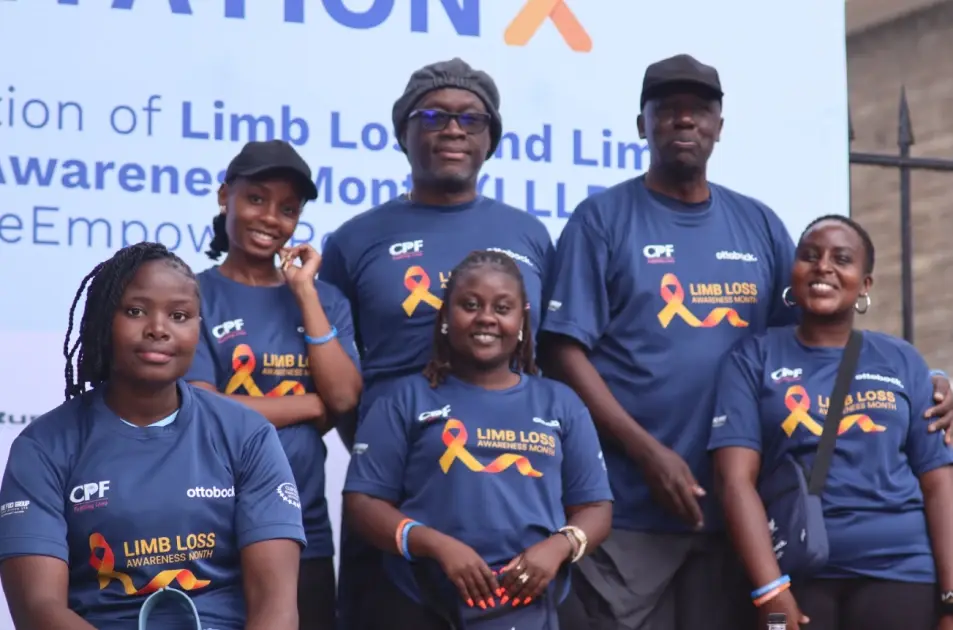
Kenya is facing a growing prosthetic care challenge as demand for limb loss services rises faster than access to affordable, reliable provision. A recent report from Citizen Digital says the country is seeing more amputations linked not only to road traffic injuries, but also to non-communicable diseases such as diabetes and cancer, increasing pressure on an already stretched healthcare system.
The report also points to a worrying shift in the trauma profile. According to experts cited in the article, more younger patients, particularly in agricultural areas, are presenting with traumatic amputations linked to unsafe use of farm equipment such as chaff cutters. That matters because it suggests the prosthetics burden in Kenya is being driven by both chronic disease and preventable workplace injury, creating a broader and more complex patient base for rehabilitation providers.
Yet even as need grows, access remains deeply uneven. The Citizen Digital report notes that most prosthetic devices in Kenya are imported and expensive, while insurance support remains limited. Patients and advocates quoted in the piece describe a system in which many people do not know where to access prosthetic services, while others are forced to delay care or turn to unsafe, low-quality alternatives because certified devices are out of reach.
That affordability problem is central to the story. Prosthetic care is not simply about the cost of a limb component. It includes assessment, fitting, alignment, rehabilitation, repairs, follow-up and eventual replacement. When those services depend heavily on imported materials and technology, the financial barrier rises quickly. Industry voices quoted in the article argue that this import dependence is a major reason prosthetic care remains inaccessible for many Kenyans.
The issue is also bigger than prosthetics alone. WHO Africa’s regional rehabilitation materials continue to stress that assistive technology and rehabilitation need stronger integration into African health systems, including better planning, indicators and service provision. Kenya’s prosthetic access challenge therefore reflects a wider regional issue: rehabilitation demand is growing, but investment, service expansion and system integration are still lagging behind need.
There is also a quality and regulation concern. The Citizen Digital article highlights stakeholder warnings about counterfeit and low-quality prosthetic devices in the market. For users, this is not a minor commercial issue. Poor-quality devices can compromise fit, comfort, durability and safety, and can ultimately worsen mobility outcomes rather than improve them. In a market where affordability is already a barrier, the spread of uncertified alternatives creates an additional patient protection problem.
Social inclusion remains part of the challenge too. The article includes testimony from a young prosthetic user who describes stigma and public discomfort around limb loss. That reminder is important because prosthetic access is not only about product supply. It is also about awareness, confidence, social participation and whether users feel supported to seek care, wear devices openly and stay engaged in rehabilitation.
Stakeholders interviewed in the report are calling for a clearer response: broader insurance coverage, stronger regulation, more public awareness and investment in local manufacturing. That last point is particularly significant. If Kenya can gradually reduce dependence on imported materials and components, it may be better positioned to lower costs and build more resilient service pathways. This is especially relevant in a market where access is constrained by both price and availability.
The bigger lesson is that Kenya’s prosthetic care challenge should not be seen as a niche disability issue. It sits at the intersection of trauma care, diabetes management, rehabilitation, social protection and industrial capacity. As demand rises, the country will need more than awareness campaigns. It will need sustained investment in service delivery, workforce capability, financing and safe product access if prosthetic care is to become a realistic option for far more people who need it.