 By
By
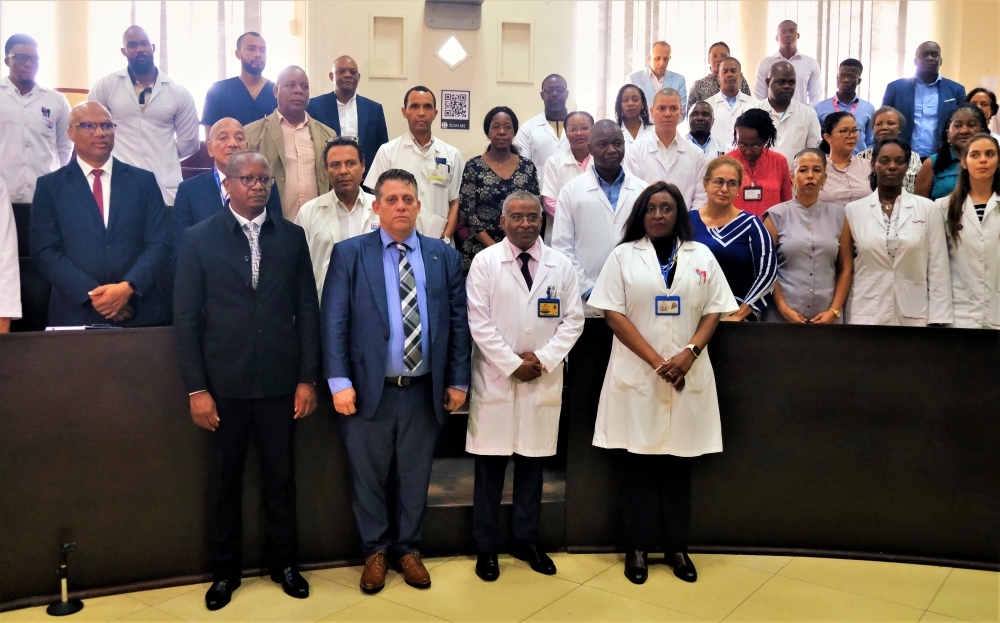
Heberprot-P initiative aims to strengthen limb-saving care through international cooperation
Mozambique has begun a new clinical training programme focused on the treatment of diabetic foot ulcers, with the aim of reducing the number of lower-limb amputations linked to diabetes complications. The initiative includes training healthcare professionals in the use of Heberprot-P, a Cuban-developed medication designed to promote healing in advanced diabetic foot wounds.
The programme is being organised by the Mozambican Ministry of Health in partnership with the Marcelino dos Santos Clinic and Cuban medical cooperation teams, reflecting the long-standing collaboration between the two countries in the field of chronic disease management. Training sessions focus on clinical assessment of diabetic foot ulcers, wound care protocols, and the correct use of Heberprot-P as part of a structured limb-salvage pathway.
Heberprot-P is a biotechnology product containing recombinant human epidermal growth factor, developed in Cuba for the treatment of severe diabetic foot ulcers. Clinical studies have shown that the therapy can accelerate tissue regeneration and significantly reduce the risk of amputation in complex wounds, particularly when used alongside proper surgical and rehabilitation care.
The expansion of diabetic foot treatment capacity comes at a critical time for Mozambique, where diabetes is an increasing public health concern. National estimates suggest that millions of people are living with the condition, with complications such as ulcers, infection, and limb loss placing growing pressure on the healthcare system.
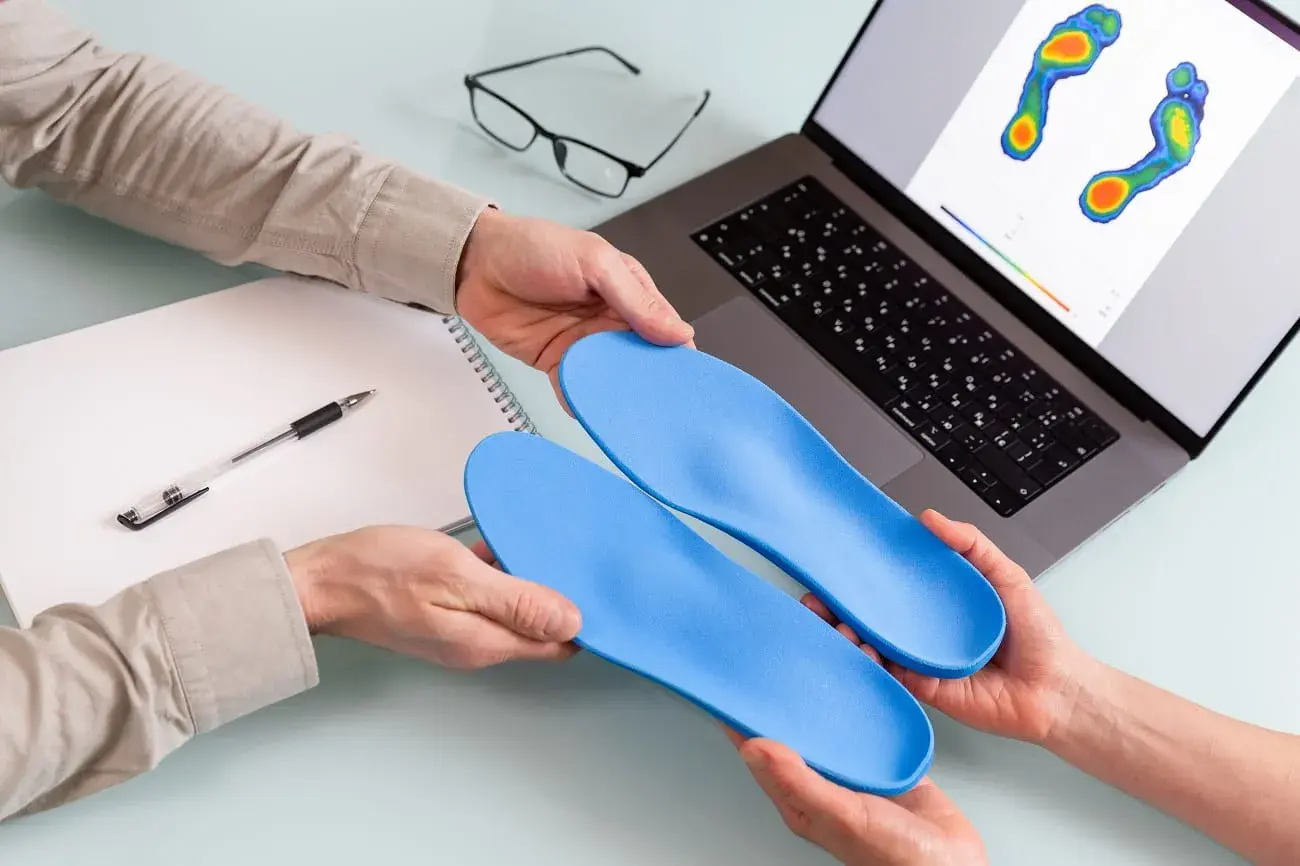
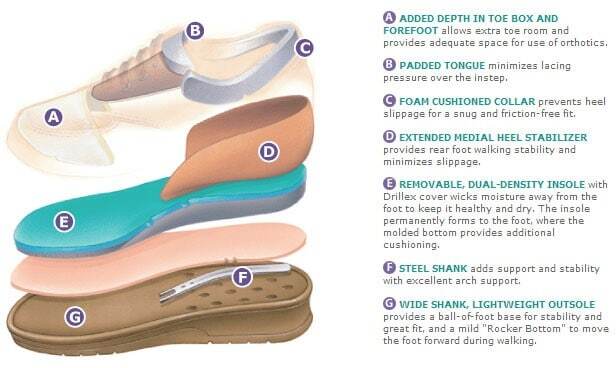
For rehabilitation and prosthetics services, programmes aimed at preventing amputations are closely linked to long-term mobility outcomes. Early treatment of diabetic foot disease can reduce the need for prosthetic fitting, but it also highlights the importance of strengthening rehabilitation pathways, orthotic off-loading services, and multidisciplinary care for patients who remain at risk of limb loss.
The Mozambican initiative also reflects a broader trend seen across Africa and other low- and middle-income regions, where international partnerships are being used to introduce new technologies and clinical protocols in order to reduce disability caused by non-communicable diseases. For the orthotics and prosthetics community, such programmes underline the importance of integrating diabetic foot management, orthotic intervention, and rehabilitation services into national health systems to improve long-term patient outcomes.