 By
By
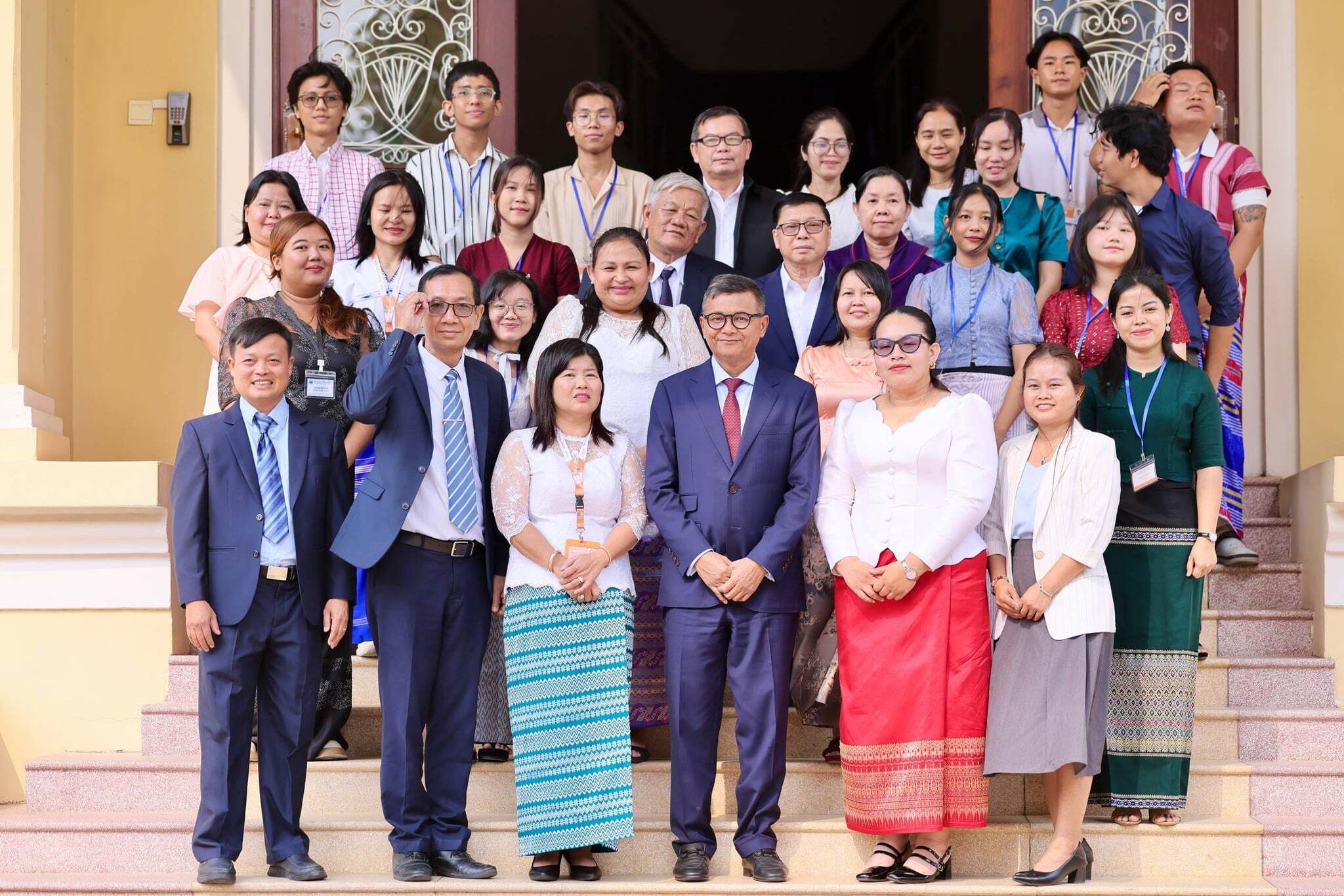
Twenty-one students from Myanmar have completed their prosthetic and orthotic studies in Cambodia, marking an important milestone for rehabilitation workforce development in a region still affected by conflict, landmines and limited access to specialist care. The students met Cambodia’s Minister of Education, Youth and Sport, Hang Chuon Naron, on 21 April 2026, alongside representatives from Exceed Worldwide.
The students had been transferred from Myanmar in 2022 to continue their education at the Cambodian School of Prosthetics and Orthotics, now part of the Department of Prosthetics and Orthotics at the National Institute of Social Affairs in Phnom Penh. The relocation was supported by The Nippon Foundation and Exceed Worldwide, with Cambodia recognising the students’ previous academic credits so that their studies could continue despite instability at home.
A Regional Training Pathway Built Around Need
The programme reflects Cambodia’s long-standing role as a regional centre for prosthetic and orthotic education. Exceed Worldwide says its P&O school in Cambodia offers both a three-year bachelor’s degree programme and a one-year international certificate programme, with training available to Cambodian and international students.
The International Society for Prosthetics and Orthotics also lists the Cambodian School of Prosthetics and Orthotics as an ISPO-recognised training programme, with a curriculum covering fabrication, assembly, final cosmetic finishing, field visits and related subjects designed to support improved quality of life for persons with disabilities.
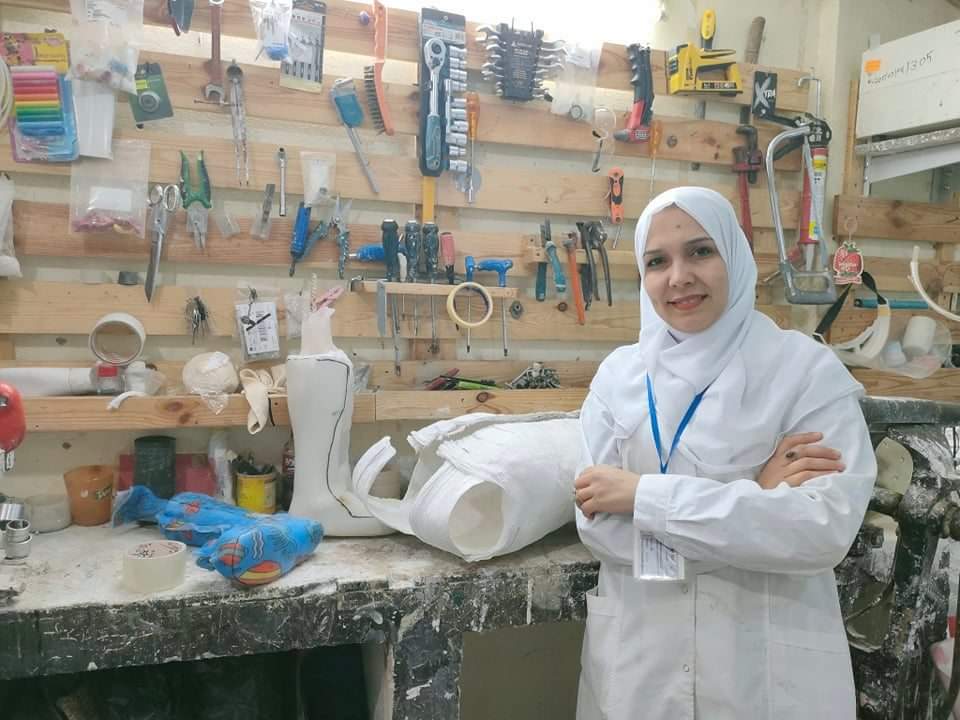
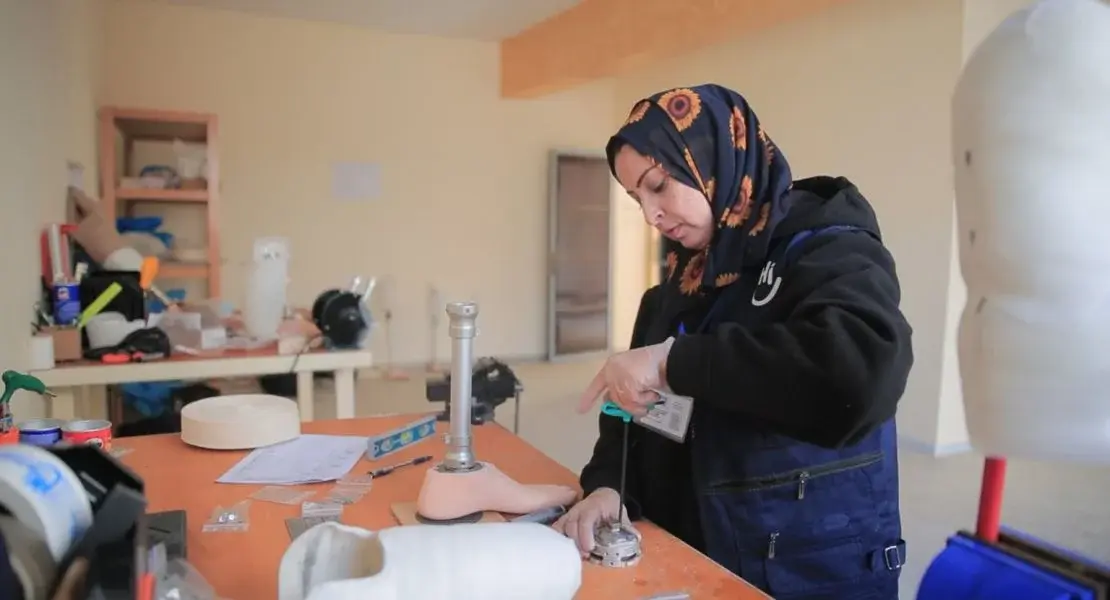
For the Myanmar graduates, the training was not only academic. During clinical rotations in Cambodia, the students reportedly contributed to rehabilitation services for Cambodian patients, gaining practical experience before returning home to support communities in Myanmar.
Cambodia, Myanmar and the Shared Legacy of Conflict Disability
Cambodia and Myanmar both carry a heavy burden of conflict-related disability. In Cambodia, the legacy of landmines and unexploded ordnance has shaped decades of investment in prosthetic, orthotic and rehabilitation services. In Myanmar, ongoing conflict has increased the need for trained rehabilitation personnel, particularly for people affected by limb loss, trauma and mobility impairment.
At the meeting, Minister Hang Chuon Naron described prosthetic provision as more than a technical intervention. He said fitting a prosthetic limb restores physical mobility while also restoring hope and the ability to live independently in society.
That message is especially relevant for the O&P sector. Prosthetic and orthotic care is not simply about fabricating a device. It is about assessment, casting, fitting, alignment, gait training, follow-up and long-term reintegration into family, school, work and community life.
Exceed Worldwide’s Role in Southeast Asian P&O Education
Exceed Worldwide has worked in Southeast Asia since 1989, training local prosthetic and orthotic professionals, providing accessible services for disadvantaged communities, and supporting disability rights, education, employment and community inclusion.
Its Myanmar programme was established in 2012 as the Myanmar School of Prosthetics and Orthotics, based at the University of Medical Technology in Yangon, with support from The Nippon Foundation, Exceed and Myanmar’s health authorities. Exceed notes that civil unrest and conflict later made it impossible to continue work in Myanmar, leading to arrangements for students to continue their P&O education in Cambodia.
This makes the graduation of the 21 students particularly significant. It shows how regional cooperation can protect health workforce training even when national systems are disrupted by conflict or political instability.
Why This Matters for the O&P Profession
For prosthetists, orthotists, technicians and rehabilitation planners across Asia, the story highlights three important lessons.
First, P&O education must be protected during crises. When conflict interrupts professional training, the long-term impact is felt by patients who lose access to qualified clinicians and technicians.
Second, regional training hubs can help fill urgent workforce gaps. Cambodia’s P&O education infrastructure has allowed students from Myanmar to continue developing skills that will be needed in hospitals, rehabilitation centres and community-based services.
Third, practical clinical exposure remains essential. The students’ work with Cambodian patients during their training reinforces the importance of hands-on learning, supervised fabrication and real-world rehabilitation experience.
IMEA CPO Perspective
For the wider IMEA region, this story is a reminder that rehabilitation workforce development is a humanitarian priority as much as an education issue. Countries affected by conflict, displacement, road trauma, diabetes and limited rehabilitation infrastructure need more than donated components or short-term missions. They need trained local professionals who can assess, fabricate, fit, repair and follow up devices over time.
The Cambodia-Myanmar pathway offers a useful model for other regions facing similar challenges: protect education, support cross-border training, recognise prior learning, and ensure students gain direct clinical experience before returning to serve their own communities.
As Myanmar’s 21 graduates prepare to return home, their impact will likely be measured not only in the number of devices they fabricate, but in the number of people who regain mobility, independence and the chance to participate more fully in everyday life.