 By
By
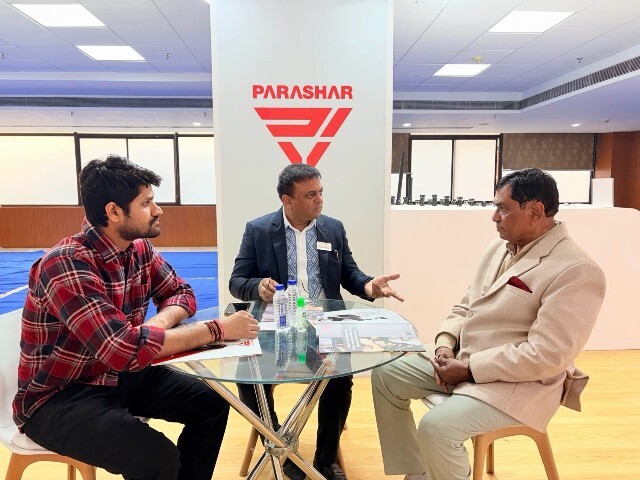
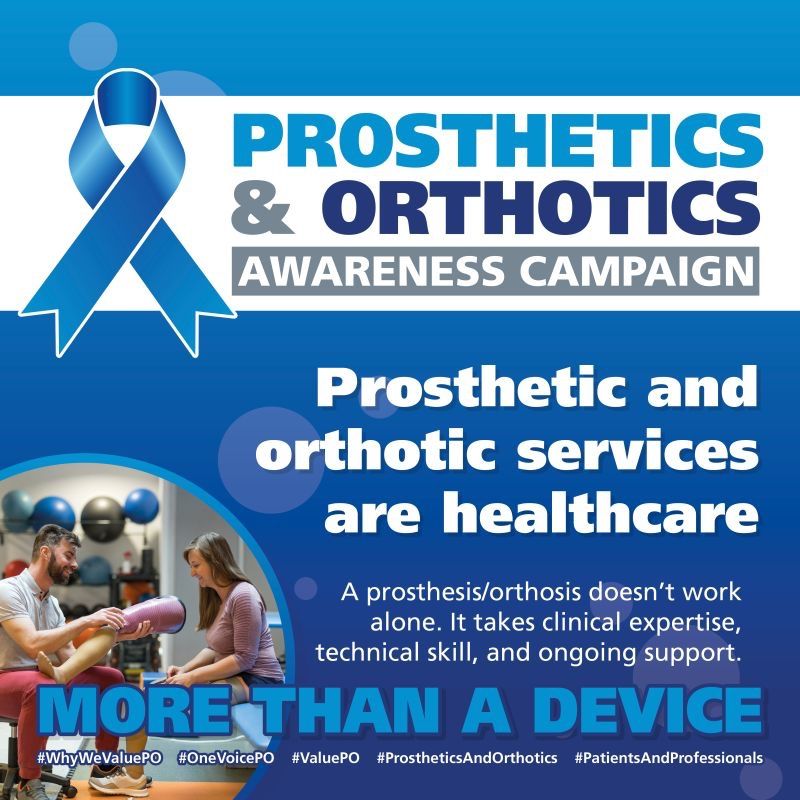
Parashar Industries is spotlighting the urgent need for a coordinated, industry-led approach to ensure accessible and high-quality prosthetic care for people with limb loss throughout India. The company, a major Indian prosthetic manufacturer and advocate for national policy reform, emphasises that mobility and assistive technology must be recognised as essential components of healthcare and social inclusion.
Speaking in the context of recent policy discussions and sector events, Parashar Industries’ leadership stressed that prosthetic and orthotic services should no longer be viewed as one-off charitable distributions but as part of a lifelong continuum of care — embedded within healthcare systems, insurance mechanisms like Ayushman Bharat, and structured rehabilitation pathways.
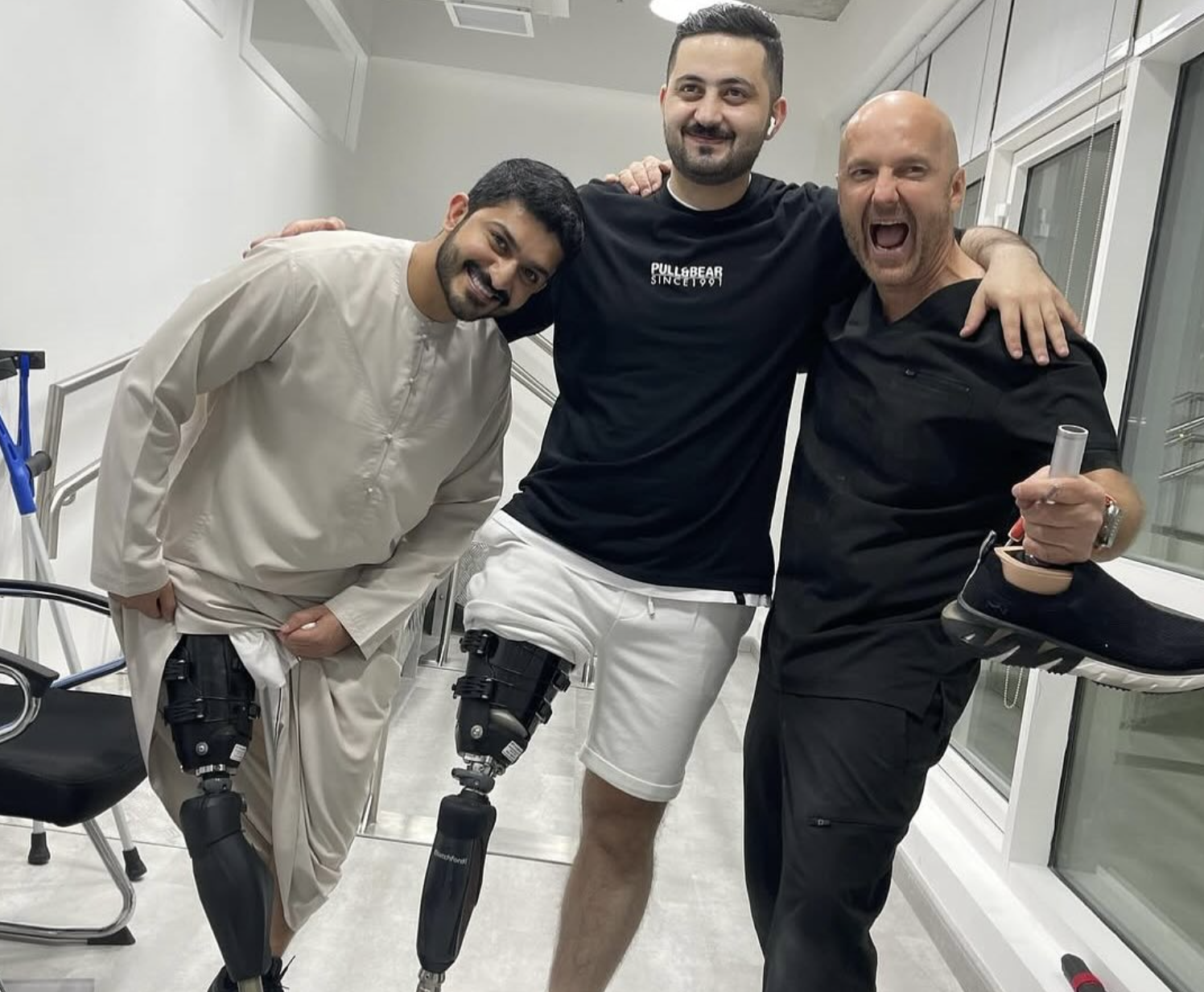
According to industry representatives, this requires a shift in mindset from welfare-oriented solutions to strategic national infrastructure that supports dignity, productivity, and full participation in society. Prosthetic devices are described not simply as medical products but as instruments that restore independence, employability, and human capital — crucial for individuals to contribute economically and socially.
As part of this broader advocacy, Parashar Industries has contributed to a policy roadmap titled “Fixing the Mobility Divide: A Policy Roadmap for Accessible Prosthetic Care in India.” This framework outlines recommendations for:
- Establishing a National Prosthetics Mission that coordinates cross-sectoral stakeholders including health, defence rehabilitation, social justice, and skill development.
- Integrating prosthetic services fully into public insurance schemes such as Ayushman Bharat, covering provision, follow-up, and long-term maintenance.
- Strengthening indigenous manufacturing through Make in India, supporting MSMEs and innovation ecosystems to reduce dependence on imports.
- Creating district-level prosthetic and rehabilitation hubs to bridge rural–urban gaps.
- Linking rehabilitative services with employment, skilling programmes, and psychosocial support to ensure sustainable reintegration.
Industry leaders emphasise that achieving universal access to quality prosthetic care will require collaboration among manufacturers, clinicians, policymakers, and civil society — with a focus on outcome-driven standards, skilled human resources, and sustainable delivery models.
Parashar Industries frames this vision within India’s broader development goals of Atmanirbhar Bharat and Viksit Bharat 2047, asserting that accessible mobility solutions are fundamental to an inclusive and productive society.