 By
By
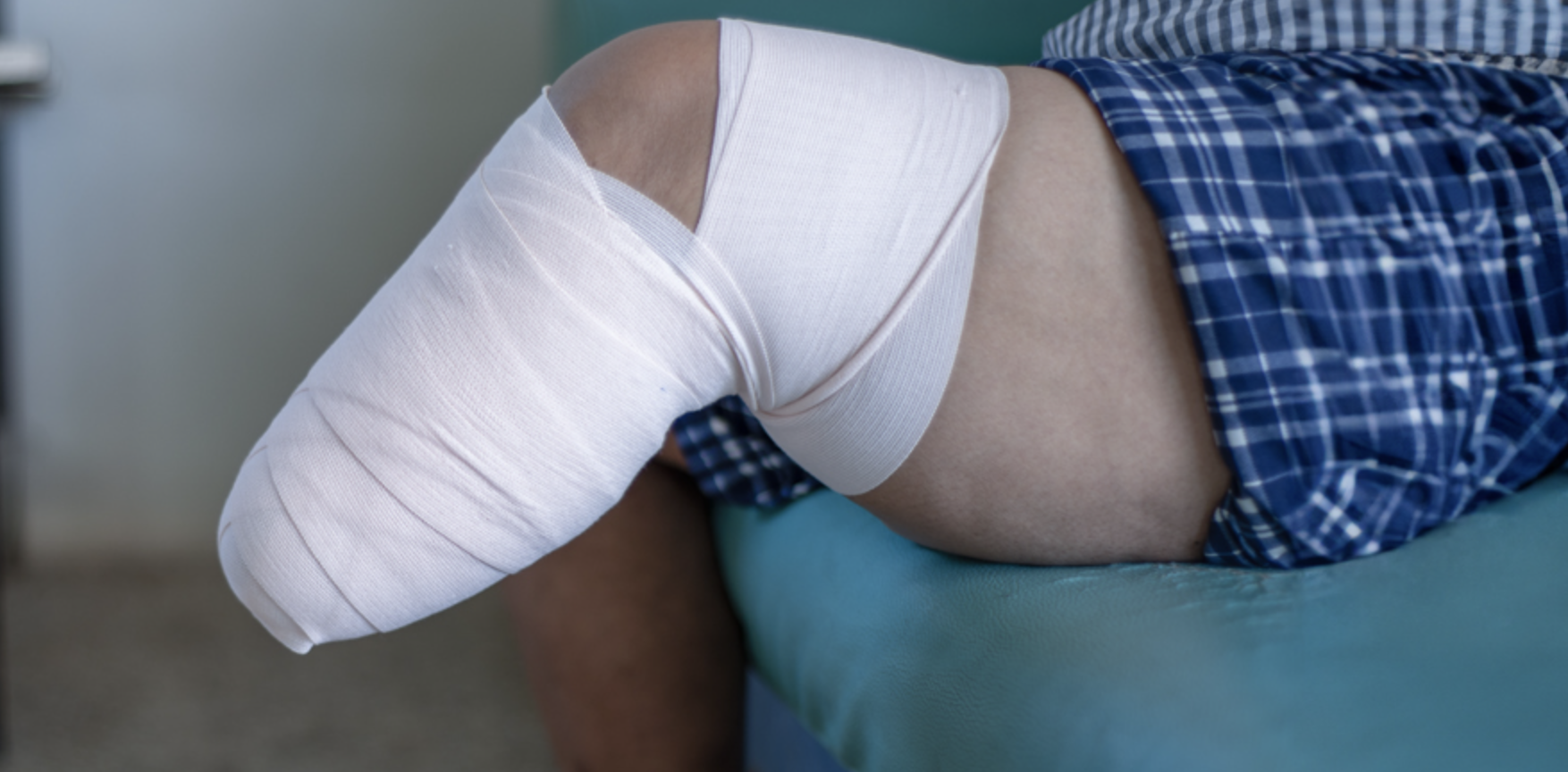
Researchers at the University of Colorado Anschutz Medical Campus have identified an important gap in how post-amputation pain is assessed and managed. Their findings show that pain after lower limb amputation is not a single condition, but a combination of different pain types that change depending on activity level, gait mechanics and prosthetic design.
The study, published in PM&R, examined 83 adults living with unilateral transtibial or transfemoral amputation and evaluated pain both at rest and during real-world movement. The results suggest that more detailed pain assessment could significantly improve rehabilitation outcomes for people living with limb loss.
Pain After Amputation Is Not One Condition
According to the researchers, grouping all post-amputation pain into one overall score can hide important differences that affect treatment decisions.
“Untreated or poorly managed pain can limit mobility, delay return to work, disrupt sleep and reduce quality of life,” said Danielle Melton, MD, professor of physical medicine and rehabilitation and co-director of the Osseointegration and Limb Restoration Program at the University of Colorado Anschutz.
She emphasized the need for a more precise and personalized approach to rehabilitation care.
The study identified three main types of pain commonly experienced after amputation:
- Phantom limb pain, felt in the missing part of the limb
- Residual limb pain, located in the remaining limb
- Musculoskeletal pain, including back, hip or joint pain caused by altered walking patterns
Many participants reported more than one type of pain, and each behaved differently during daily activities.
Activity Level Influences Pain Patterns
One of the key findings was that pain often changes during movement, something that is not always captured in routine clinical assessments.
Musculoskeletal pain increased significantly during walking and daily activities in people using socket prostheses. This suggests that gait mechanics, alignment and load distribution play a major role in secondary pain.
Residual limb pain was strongly linked to difficulty performing daily tasks and lower quality of life, particularly among socket users. Pressure, friction and socket fit issues were likely contributing factors.
Phantom limb pain showed a more variable pattern and did not consistently increase with activity, especially in individuals using bone-anchored prosthetic systems.
Lead author Eric J. Earley, PhD, noted that asking patients to rate pain with a single number may not provide enough information to guide treatment.
“If we do not separate different types of pain, we may miss the real source of the problem and choose the wrong intervention,” he explained.
Differences Between Socket and Bone-Anchored Prostheses
The study also compared patients using traditional socket prostheses with those using bone-anchored limb systems.
Among socket users, higher activity levels were associated with increased musculoskeletal pain. In contrast, patients with osseointegrated prostheses reported more stable pain levels that were less affected by movement.
This suggests that prosthetic design can directly influence comfort, mobility and long-term function.
Socket systems can introduce pressure, alignment challenges and energy loss during gait, while bone-anchored systems may allow more natural load transfer through the skeleton.
For clinicians, these findings highlight the importance of considering both biomechanical and clinical factors when selecting prosthetic solutions.
Implications for Prosthetists and Rehabilitation Teams
The authors recommend that clinicians evaluate each type of pain separately when working with amputees. A more detailed assessment may help guide treatment decisions such as:
- prosthetic socket adjustments
- alignment or component changes
- gait training and physiotherapy
- treatment for phantom limb pain
- rehabilitation for secondary musculoskeletal problems
For many patients, pain is the main factor determining whether they remain active and independent.
Different types of pain require different clinical approaches, and a more individualized evaluation may lead to better outcomes and improved quality of life.
Importance for the Future of Amputation Care
With the number of people living with limb loss expected to grow in the coming decades, the study highlights the need for more personalized rehabilitation strategies.
For prosthetists, orthotists and rehabilitation specialists, understanding how prosthetic design, activity level and biomechanics influence pain will be essential for improving long-term patient outcomes.