 By
By
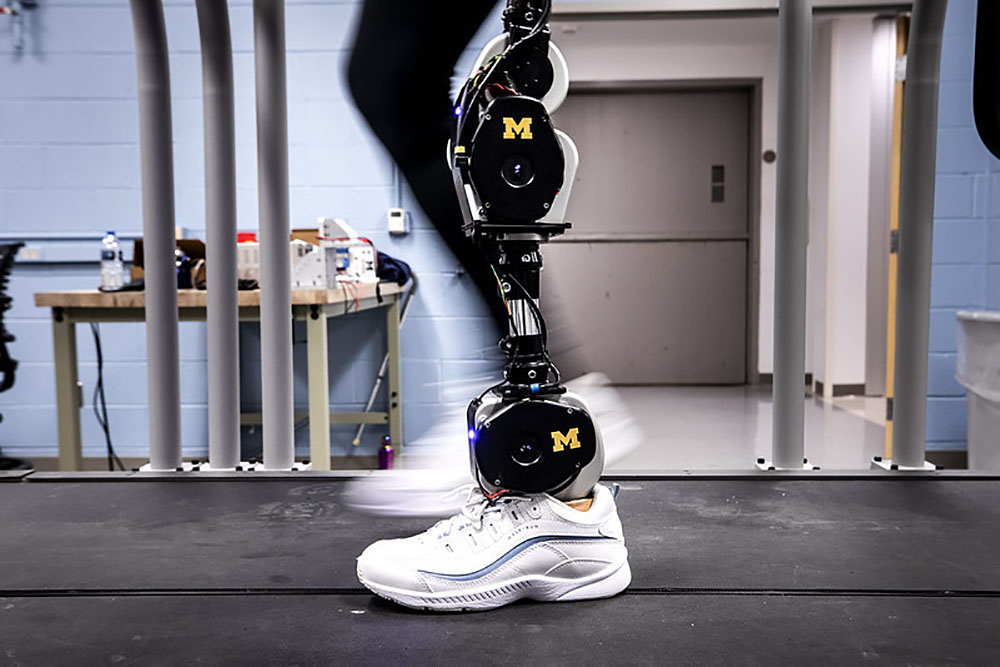
Robotic prosthetics are advancing rapidly, moving far beyond simple mechanical limbs toward fully integrated bionic systems. Researchers now describe this new generation of technology as a “bionic stack”, where multiple layers of hardware, software and surgical innovation work together to connect human intention with mechanical movement.
Original article: https://www.intelligentliving.co/robotic-prosthetics-bionic-stack/
From Mechanical Limbs to Integrated Systems
Modern prosthetics are no longer just passive devices. Today’s systems combine sensors, artificial intelligence, neural interfaces and advanced materials to create limbs that respond more naturally to the user.
The concept of the “bionic stack” refers to the combination of several technologies working together, including:
- neural signal detection
- machine learning control systems
- robotic actuators
- sensory feedback systems
- advanced surgical techniques
When these layers function together, the prosthetic can behave more like a biological limb rather than a simple tool.
Decoding Human Intent
One of the biggest challenges in prosthetics has always been translating the user’s intention into movement.
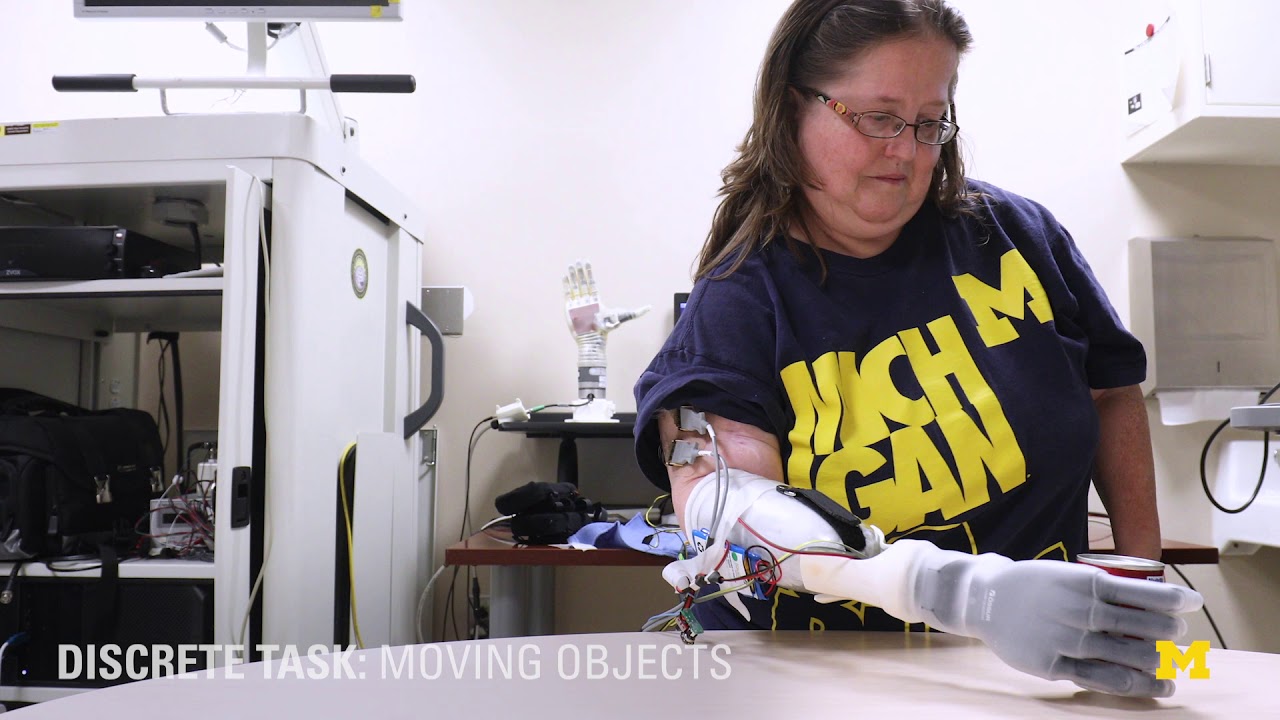
Modern systems use electrodes and sensors to detect muscle or nerve signals, then process this data using high-speed algorithms that determine how the prosthetic should move. This allows smoother, more precise control compared with earlier myoelectric devices.
In some advanced research projects, neural interfaces can even return sensory information to the user, allowing them to feel pressure or movement through the prosthetic limb.
The Role of Advanced Surgery
Recent surgical techniques are also helping improve prosthetic control.
Procedures that reconnect nerves to new muscle targets can create stronger and more reliable signals for prosthetic sensors to detect. These techniques help reduce phantom limb pain and improve control accuracy, making advanced robotic limbs easier to use in daily life.
By improving the biological interface, clinicians can make the technology more intuitive for patients.
Robotics, AI and Rehabilitation
Robotic technology is also being used in rehabilitation itself. Researchers are testing robotic training systems that help patients relearn movement after stroke or amputation.
These systems can provide repeatable, controlled exercises and allow therapists to monitor progress more accurately. In the future, robotic rehabilitation platforms may become a routine part of prosthetic training programmes.
Toward More Natural Movement
The ultimate goal of the bionic stack is to create prosthetic limbs that feel like a natural extension of the body.
New developments focus on:
- adaptive control algorithms
- lightweight materials
- improved energy efficiency
- real-time sensory feedback
- better integration with the nervous system
As these technologies improve, prosthetic users may experience greater comfort, stability and confidence in everyday activities.
Implications for Prosthetics and Orthotics
For clinicians in prosthetics and orthotics, these advances highlight the importance of understanding both mechanical design and digital technology.
Future prosthetic care will likely depend on close collaboration between:
- prosthetists
- surgeons
- engineers
- rehabilitation specialists
- software developers
The shift toward integrated bionic systems means that prosthetic prescription will increasingly involve not only component selection, but also data, software and surgical considerations.
The Future of the Bionic Stack
While fully natural bionic limbs are still under development, progress is accelerating quickly. Each improvement in sensors, computing power and surgical techniques brings the field closer to prosthetics that truly restore function.
For the global O&P community, the emergence of the bionic stack represents one of the most important changes in rehabilitation technology in decades.