

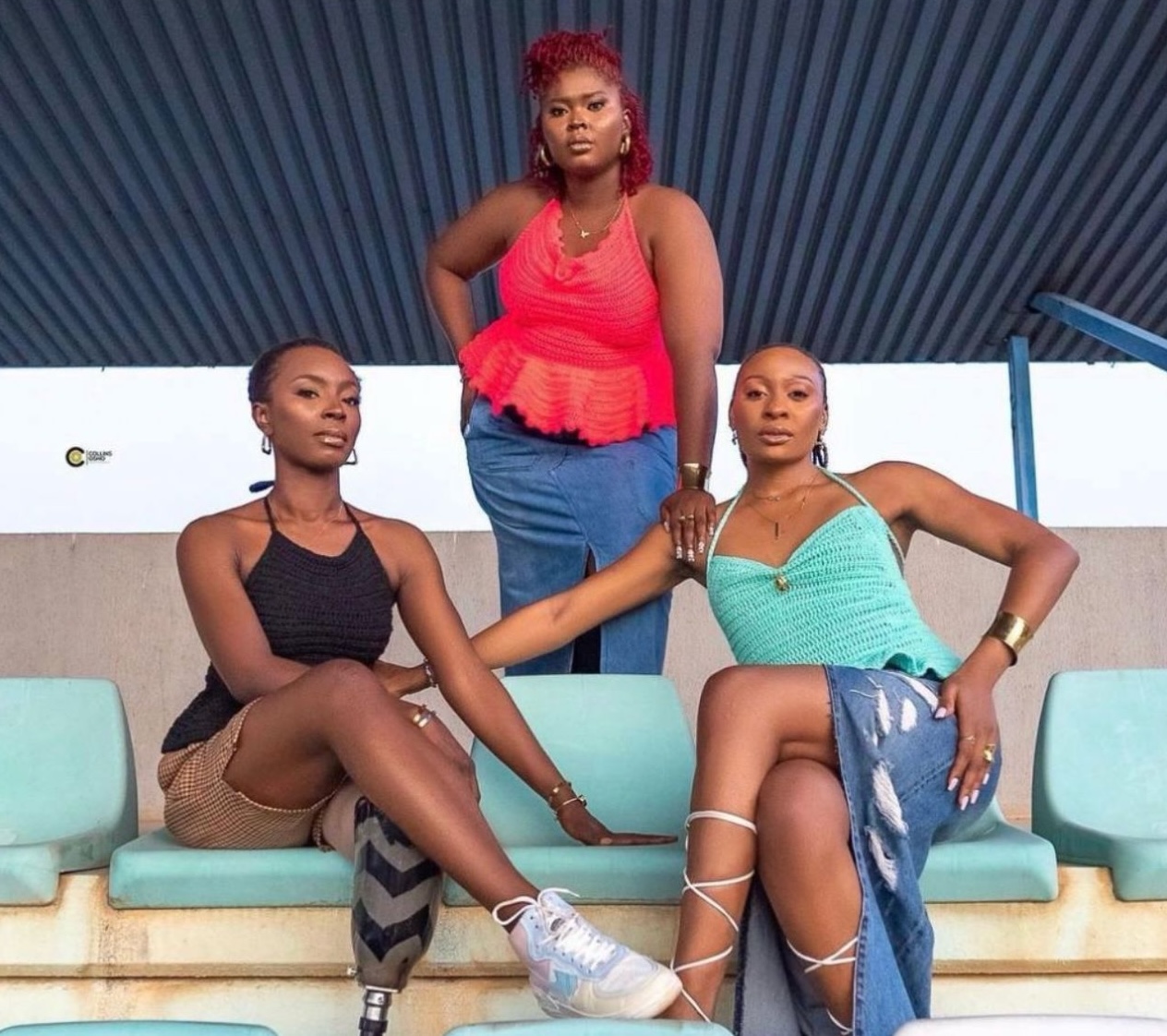
African women with limb loss and limb difference will join women working professionally in prosthetics, orthotics and rehabilitation for a virtual event exploring how gender, identity, clinical care and innovation intersect.
Taking place on 7 November 2026, She Moves is the second edition of From Barriers to Breakthrough, a conversation series examining the future of prosthetics and orthotics in Africa.
The event has been announced by Nigerian mobility and inclusion advocate Eva Chukwunelo, founder of ECII, TEDx speaker and Mandela Washington Fellow.
Rather than discussing African women only as recipients of services, She Moves will consider their roles as users, clinicians, researchers, innovators, advocates, designers and decision-makers.
The virtual event is open to everyone. Registration is available online.
Bringing lived and professional experience together
The event will place women with personal experience of limb loss or limb difference in conversation with women working across clinical care, research, rehabilitation, technology and policy.
This combination is important. Technical discussions about prosthetic and orthotic development can sometimes concentrate on materials, components and manufacturing processes without fully considering how devices are experienced in everyday life.
Women may encounter clinical, cultural and social considerations that are not always reflected in device research, service design or professional education. These can include changes in prosthetic needs during pregnancy, clothing and footwear choices, body image, relationships, employment, personal safety and participation in family or community life.
A clinically functional device may still create difficulties if it cannot be worn with the user’s preferred clothing, does not reflect her identity or requires adjustments that are difficult to obtain locally.
She Moves aims to provide a setting in which these experiences can be discussed directly rather than interpreted solely through professional or institutional perspectives.
Pregnancy and changing prosthetic needs
Pregnancy is among the subjects scheduled for discussion.
Changes in body weight, balance, limb volume and physical demands may affect prosthetic comfort and mobility during pregnancy. These changes can require closer monitoring and timely adjustments, yet women may struggle to find clinicians with relevant experience or services that can respond quickly.
The issue demonstrates why prosthetic provision cannot be treated as a one-time transaction. The needs of users change over time, and services must have the capacity to provide review, adaptation and follow-up.
Listening to women who have navigated pregnancy with a prosthesis can help clinicians understand where existing services succeed and where information, professional training or care pathways remain inadequate.
Identity, fashion and feeling beautiful
The inclusion of identity, fashion and beauty in the programme broadens the discussion beyond conventional clinical outcomes.
Mobility, comfort and safety remain essential, but users also have the right to make choices about appearance and self-expression. Some may want a prosthesis that resembles a natural limb, while others may prefer a device that is visibly technological, colourful or personalised.
Neither preference should be assumed by the clinician.
Greater collaboration among users, prosthetists, designers, artists and fashion professionals could lead to devices and clothing that respond more effectively to women’s priorities. It may also challenge the idea that aesthetics are secondary or superficial within rehabilitation.
Confidence and identity can influence whether a person feels comfortable using a device at school, work, social events or in public life.
African women as creators of innovation
A central theme of From Barriers to Breakthrough is that Africans should not participate in prosthetic innovation only as end users. They should also help define problems, lead research, develop technology and determine policy.
Women must be included in that process.
Increasing the visibility of female prosthetists, orthotists, physiotherapists, rehabilitation professionals, engineers and researchers can encourage more women to enter and remain within the sector. It also creates opportunities for mentorship and collaboration across countries.
Meaningful participation involves more than inviting women to comment on a finished product. Their experience should influence research priorities, clinical protocols, product specifications, education and funding decisions from the beginning.
An open conversation
She Moves is not intended solely for women with disabilities. Mothers, clinicians, researchers, policymakers, designers, students and advocates are also invited to participate.
This wider audience could help connect subjects that are often addressed separately. A clinician may understand socket management but have limited awareness of clothing barriers. A designer may offer creative solutions but lack exposure to clinical requirements. A policymaker may fund device distribution without recognising the need for long-term follow-up.
Bringing these perspectives together can support a more complete understanding of prosthetic and orthotic care.
The future of African P&O should reflect the bodies, environments, ambitions and identities of the people it serves. She Moves offers an opportunity to listen to women whose knowledge has too often remained outside the main conversation.
Event: She Moves – Second Edition of From Barriers to Breakthrough
Date: 7 November 2026
Format: Virtual and open to everyone
Registration: Register for She Moves
- Register for She Moves
- Eva Chukwunelo on LinkedIn
- World Health Organization: Assistive technology
- International Society for Prosthetics and Orthotics
- UN Women Africa