

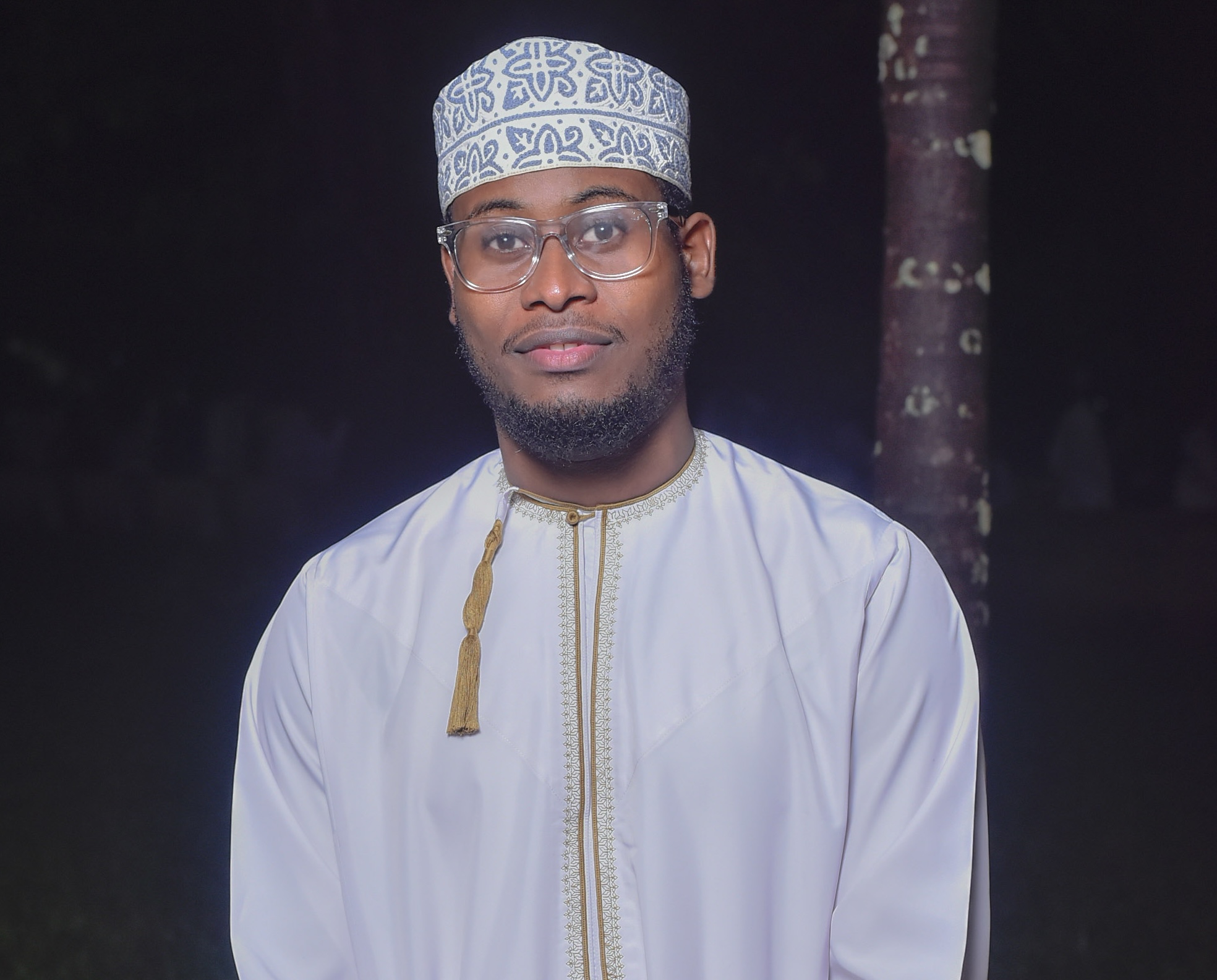
I studied Diploma in orthopaedic technology at Muhimbili University of Health and Allied Science, Tanzania and graduated in 2023. I am currently employed by Ministry of Health in Zanzibar.
What do you claim is your speciality — your O&P passion?
As much as I currently predominantly practise Orthotics, I have figured out that I am increasingly drawn towards the prosthetic component of the profession. I haven’t necessarily defined a specific niche or speciality within prosthetics yet, but I know that this is an area I would like to explore more deeply.
For me, prosthetics is about much more than replacing a lost limb or body part. It creates an opportunity for people to live meaningful and fulfilling lives—to perform their activities of daily living independently, regain their confidence and dignity, improve their quality of life, and participate more fully in broader society without their physical impairment becoming a limitation.
That human impact is what particularly attracts me to prosthetics.
What do you like most about practising O&P?
What I like most is the impact our work has on our patients’ lives and the meaningful changes it can bring to individuals, families and society.
For me, that is the beauty of O&P—the opportunity to use our knowledge and skills to make a tangible difference in someone’s life.
What frustrates you about O&P?
I’ll answer this from a Zanzibar context.
One of my biggest frustrations is the way the profession is positioned within the broader healthcare system. I believe Orthotics and Prosthetics needs to be better integrated with other disciplines under the broader umbrella of Rehabilitation, rather than being treated as a separate entity from the rest of rehabilitation.
I am also concerned about the high unemployment among competent Orthotists and Prosthetists, particularly when there is an evident need for their services within our society.
For me, this is not only an employment issue. It is also a question about how we structure rehabilitation services, how we utilise the skills available within the profession, and ultimately how we improve access to care for the people who need it.
What is your greatest patient story in O&P?
Honestly, it has to be the patient I saw walking with a prosthesis that my group mates and I had made while I was in my second year at university.
At the time, we were still students learning the fundamentals of the profession. But seeing an actual patient walk with something that we had designed and made was an experience that stayed with me.
It was one of those moments where the theory we were learning in the classroom suddenly became real.
It wasn’t just a prosthesis anymore. It represented someone’s ability to move, participate and regain a degree of independence.
That experience has remained one of my most memorable moments in O&P and played a role in shaping how I view the profession today.
How do you build rapport with patients in your care?
For me, it starts with active listening.
I allow the patient to take the lead in expressing their needs, while using my clinical knowledge and professional responsibility to ensure that we arrive at the most appropriate intervention possible.
I don’t believe rehabilitation should simply be something that is done to a patient. It should be something that we work through with the patient.
Ultimately, I build rapport by making patients feel heard, respected, understood and involved in decisions concerning their own care