 By
By
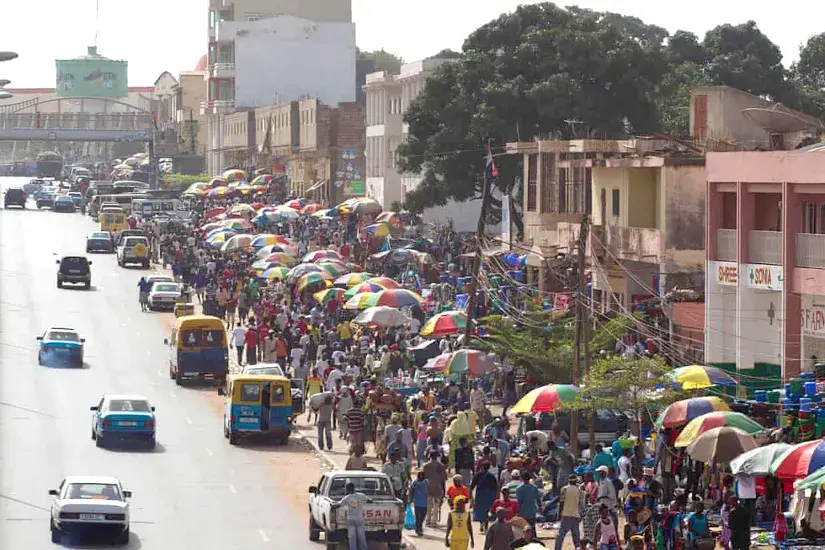
Côte d’Ivoire, also known as Ivory Coast, is one of West Africa’s most dynamic economies and an increasingly important country for rehabilitation, prosthetics, orthotics and assistive technology development. With a population of around 31.9 million in 2024, GDP of approximately USD 87.1 billion, and annual GDP growth of around 6%, the country has become a major regional economic hub, particularly through Abidjan.
For the prosthetics and orthotics sector, Côte d’Ivoire presents a mixed but important profile: growing healthcare investment, rising demand for rehabilitation, significant road-traffic trauma, increasing diabetes prevalence, and a need for stronger access to affordable, high-quality assistive products. The country’s development trajectory makes it a relevant market for O&P suppliers, training institutions, rehabilitation providers, NGOs and digital fabrication partners.
Healthcare and Rehabilitation Context
Côte d’Ivoire’s health system is shaped by the country’s Plan National de Développement Sanitaire 2021–2025, which prioritises universal health coverage, health-system governance, service accessibility, infrastructure expansion and disease prevention. The national health strategy is aligned with the Sustainable Development Goals and the African Union’s Agenda 2063.
The government has also been advancing Universal Health Coverage, known locally as Couverture Maladie Universelle (CMU). Côte d’Ivoire established UHC through Law No. 2014-131, with management entrusted to the National Health Insurance Fund, IPS-CNAM. The stated aim is to provide access to quality and equitable medical care, with particular attention to low-income populations.
A 2025 UNAIDS report noted that nearly 60% of the population had been enrolled in the UHC system, reflecting the government’s intention to expand health access and financial protection. However, as in many emerging health systems, the key challenge is ensuring that enrolment translates into real access to services, including rehabilitation and assistive technology.
For O&P, this matters because prosthetic and orthotic care is often excluded, underfunded or inconsistently reimbursed in health systems. If rehabilitation and assistive products are included more clearly in UHC benefit packages over time, Côte d’Ivoire could become a stronger regional model for integrating mobility support into mainstream health coverage.
Disability, Mobility and Assistive Technology Need
The need for rehabilitation and assistive technology in Côte d’Ivoire is driven by several factors: road traffic injuries, diabetes and vascular disease, congenital conditions, stroke, neurological disorders, occupational injuries, trauma and ageing.
WHO’s global standards for prosthetics and orthotics emphasise that prostheses and orthoses enable people with physical impairments to live healthy, productive and independent lives, and that governments have a responsibility to promote access to affordable, quality assistive products. WHO also estimates that only 1 in 10 people globally who need assistive products have access to them, due to cost, workforce shortages, limited availability, lack of awareness and financing barriers.
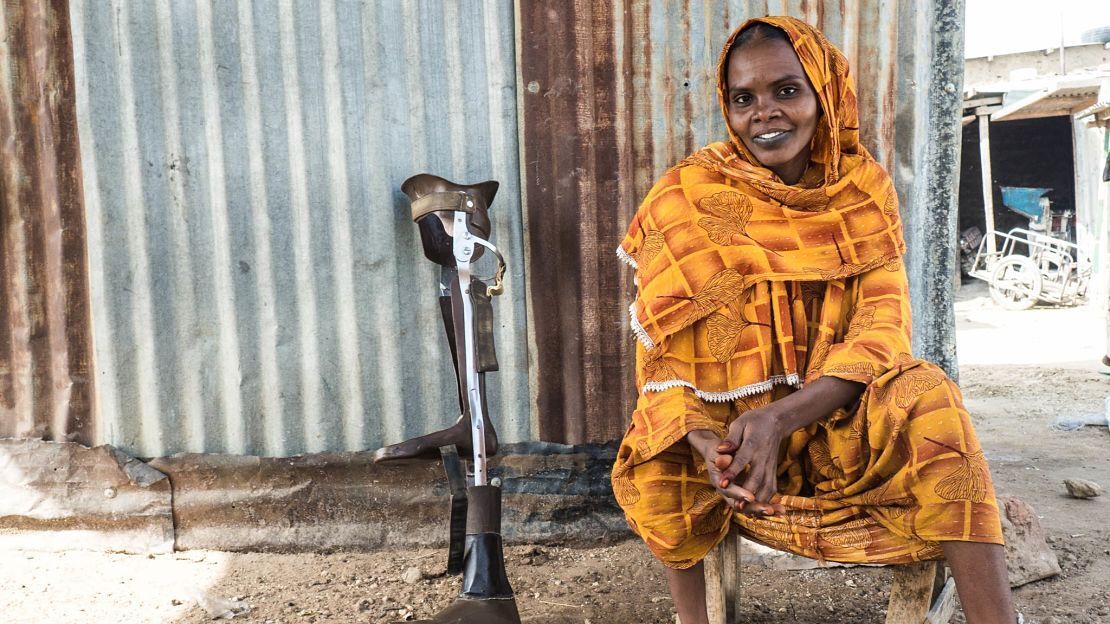
This global access gap is highly relevant for Côte d’Ivoire. While Abidjan has recognised rehabilitation capacity, access outside major urban centres is likely to remain more limited. For patients in rural areas or secondary cities, travel costs, waiting times, affordability, device maintenance and follow-up can all become barriers to successful rehabilitation.
Existing O&P and Rehabilitation Capacity
Côte d’Ivoire has an established history of physical rehabilitation and orthopaedic-device provision, particularly through Abidjan. Published research has documented activity at the Centre de Réadaptation Physique “Vivre Debout” at CHU de Yopougon, which has been associated with prosthetic and orthotic fabrication, rehabilitation and patient mobility services.
A study of lower-limb amputees fitted at the Vivre Debout centre found that road traffic accidents accounted for 67.19% of amputations in the sample, while firearm injuries accounted for 15.75%. The study also reported that transtibial amputations were the most common level and that the centre’s prosthetic production increased over time.
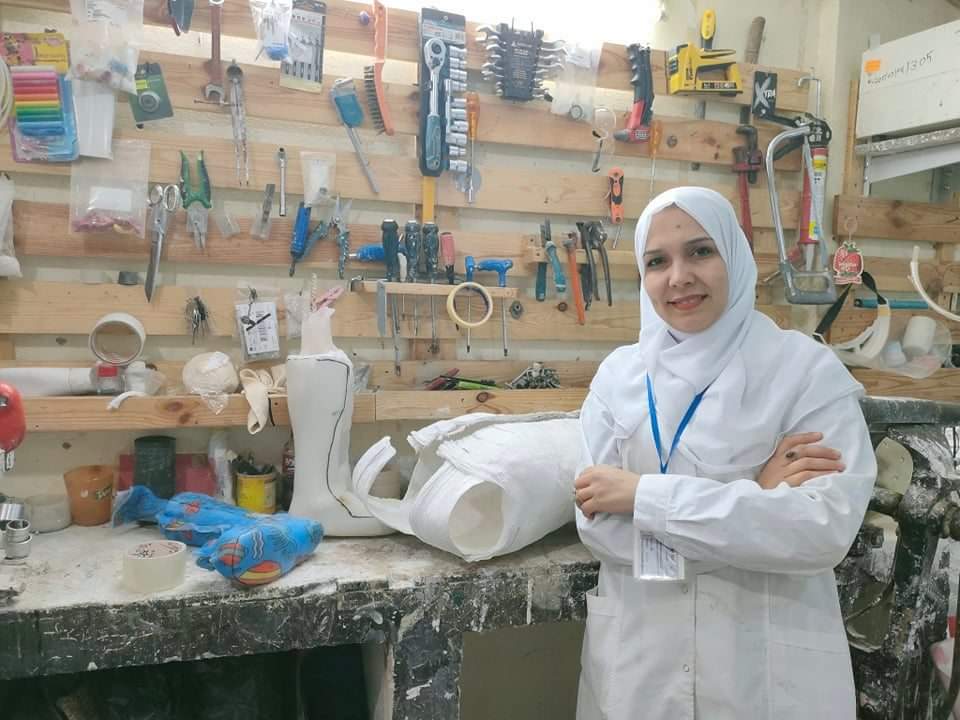
Another study of an orthopaedic workshop at CHU de Yopougon noted that Côte d’Ivoire had three specialised prosthetic fabrication structures at the time: the Don Orion Centre in Bonoua, the CNPS rehabilitation centre, and Vivre Debout at CHU de Yopougon. The same study also highlighted occupational health risks in prosthetic fabrication workshops, including exposure to machinery, heat, noise, dust and chemicals.
This is important for O&P development because workshop safety, ventilation, material handling, PPE, dust management, training and quality-control systems are not optional extras. They are essential if local fabrication capacity is to expand safely and sustainably.
Trauma and Road Traffic Injury
Road traffic injury is one of the most important drivers of prosthetic and orthotic need in Côte d’Ivoire. WHO’s global road safety work shows that road traffic injuries remain a leading cause of death among children and young people aged 5–29 years, with low- and middle-income countries carrying a disproportionate burden.
Côte d’Ivoire’s own road safety profile sits within this wider African and lower-middle-income context. WHO published a dedicated Road Safety Côte d’Ivoire 2023 Country Profile as part of the Global Status Report on Road Safety country-profile series.
For CPOs, trauma demand translates into a need for:
- Acute orthotic management after fractures and neurological trauma
- Lower-limb prosthetic services after amputation
- Spinal bracing after trauma
- Paediatric and adolescent rehabilitation after road injury
- Long-term gait training and device maintenance
- Affordable component supply and repair pathways
The Abidjan Vivre Debout study’s finding that road traffic accidents dominated lower-limb amputation causes reinforces the importance of linking trauma systems with rehabilitation and prosthetic care, rather than treating amputation as the end of the surgical pathway.
Diabetes and Diabetic Foot Risk
Côte d’Ivoire also faces a growing non-communicable disease challenge. The International Diabetes Federation reports that Côte d’Ivoire has an adult diabetes prevalence of 4.9%, with an estimated 529,200 adults living with diabetes.
For O&P and rehabilitation teams, diabetes is a major issue because it increases the risk of neuropathy, foot ulceration, infection, Charcot foot, partial-foot amputation and major lower-limb amputation. Even where diabetes prevalence is lower than in the Gulf or North Africa, absolute numbers are increasing as populations urbanise, age and shift toward more sedentary lifestyles.
Côte d’Ivoire’s diabetic foot pathway will need stronger integration of:
- Foot screening
- Protective footwear
- Pressure assessment
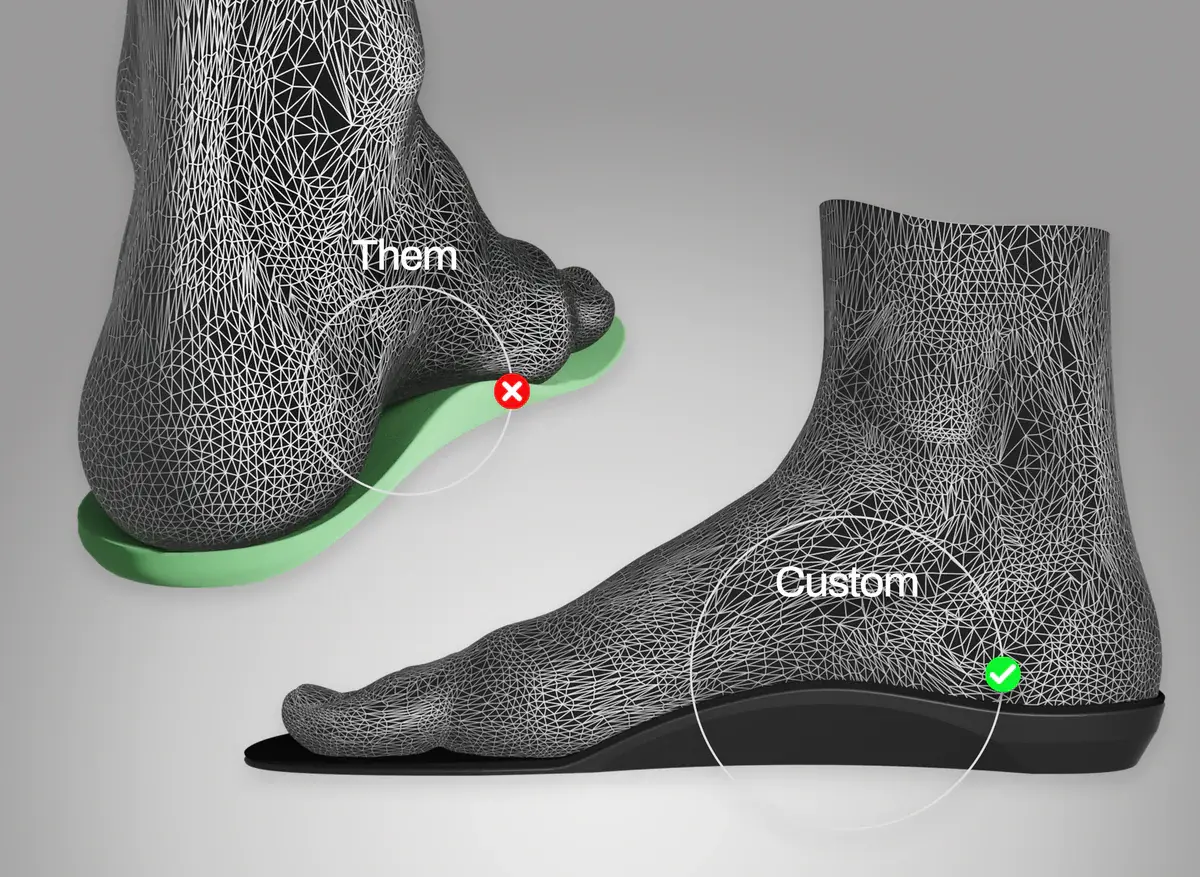
- Custom insoles
- Offloading devices
- Charcot management
- Post-amputation prosthetic rehabilitation
- Patient education and follow-up
For suppliers and clinical partners, this creates an opportunity to support diabetic-foot prevention before patients progress to limb-threatening complications.
Orthotics, Neuro-Orthotics and Paediatric Need
Orthotic demand in Côte d’Ivoire is likely to be broader than trauma and amputation alone. Paediatric cerebral palsy, clubfoot, stroke, spinal deformity, neurological disorders, post-trauma weakness and musculoskeletal conditions all create demand for orthoses, mobility aids and rehabilitation services.
Published work from Abidjan has examined the use of rigid trunk orthoses at the Vivre Debout physical rehabilitation centre, showing that spinal and trunk orthotic care is part of the local rehabilitation landscape.
The opportunity for future development includes:
- AFOs for paediatric neurology and stroke
- KAFOs and stance-control options for more complex gait impairment
- Spinal orthoses for scoliosis, trauma and postural management
- Clubfoot bracing and follow-up
- Orthopaedic footwear and insoles
- Lightweight thermoplastic and carbon-composite solutions
- Digital workflows for repeatable orthotic fabrication
Market Opportunity for O&P and Assistive Technology
Côte d’Ivoire’s O&P market opportunity is not simply about importing more products. The more important opportunity is to build a stronger ecosystem around assessment, prescription, fabrication, fitting, training, maintenance and follow-up.
Key areas of opportunity include:
- Affordable prosthetic components for transtibial and transfemoral users
- Durable orthotic materials suitable for hot and humid climates
- Diabetic foot screening, insoles and footwear solutions
- Paediatric orthotic pathways
- Spinal and trauma bracing
- Workshop tools, safety systems and fabrication consumables
- Digital scanning and CAD/CAM workflows for Abidjan-based services
- Training for CPOs, technicians and rehabilitation teams
- Partnerships with public hospitals, NGOs and rehabilitation centres
The country’s economic growth and UHC ambitions suggest that Côte d’Ivoire could become a more important West African rehabilitation hub if service capacity, training and financing improve.
Digital Fabrication Potential
Digital fabrication could play a useful role in Côte d’Ivoire, particularly if introduced in a practical and phased way. Abidjan-based centres could benefit from:
- 3D scanning for limb, foot and trunk capture
- Digital modification for sockets, insoles and orthoses
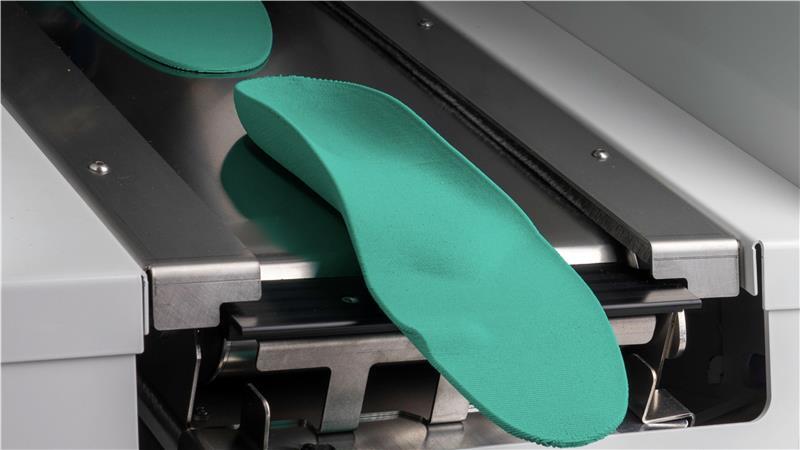
- CNC milling for insoles and positive models
- 3D printing for selected orthotic components, sockets, covers, jigs and assistive devices
- Central fabrication models serving regional clinics
- Remote design support for underserved areas
However, digital tools should not be introduced as stand-alone technology. They need trained clinicians, reliable materials, quality-control protocols, repair capacity, patient follow-up and realistic service models. Côte d’Ivoire’s priority should be digital workflows that reduce waiting times, improve repeatability and make care more accessible, rather than high-cost technology without a service pathway.
Workforce and Training Priorities
One of the biggest constraints in many African O&P systems is workforce capacity. WHO’s prosthetics and orthotics standards emphasise the importance of trained personnel, service integration, quality systems and sustainable financing.
For Côte d’Ivoire, future priorities should include:
- Expanding training for prosthetists, orthotists and technicians
- Developing continuing education for existing rehabilitation staff
- Strengthening workshop safety and quality assurance
- Building regional referral networks outside Abidjan
- Improving data collection on amputation, orthotic need and device outcomes
- Creating pathways for diabetic foot and paediatric orthotic care
- Connecting local training with international standards and francophone African networks
The country could also benefit from collaboration with regional and international bodies such as ISPO, which works globally to improve quality of life for people needing prosthetic, orthotic, mobility and assistive devices.
Strategic Outlook
Côte d’Ivoire is a promising but still developing O&P and rehabilitation market. Its strengths include a growing economy, a major urban health hub in Abidjan, established rehabilitation activity, UHC momentum and a clear need for trauma, diabetic foot, paediatric and neurological rehabilitation services.
The challenges are equally clear: access outside Abidjan, affordability, workforce supply, maintenance capacity, public reimbursement, data gaps and the need for stronger integration of rehabilitation into mainstream healthcare.
For IMEA CPO readers, Côte d’Ivoire should be viewed as a country where O&P development can have major impact if approached through partnership, training, appropriate technology and locally sustainable models. The priority is not only to supply devices, but to strengthen the full rehabilitation pathway that helps patients return to mobility, work, education and community participation.
Why Côte d’Ivoire Matters for O&P
Côte d’Ivoire matters because it combines:
- A large and growing population
- Strong economic momentum in West Africa
- Significant road-trauma-related prosthetic demand
- Rising diabetes and diabetic foot risk
- Existing rehabilitation and O&P activity in Abidjan
- Universal Health Coverage ambitions
- Need for affordable assistive technology and trained workforce
- Potential to become a stronger francophone West African rehabilitation hub
For prosthetists, orthotists, technicians, suppliers, NGOs and educators, Côte d’Ivoire represents a market where clinical need, public-health relevance and long-term service development all intersect.
- World Bank Côte d’Ivoire Data
- WHO Côte d’Ivoire Country Page
- Côte d’Ivoire National Health Planning Cycle – WHO
- Côte d’Ivoire Universal Health Coverage Overview
- UNAIDS: Côte d’Ivoire Advances Toward Universal Health Coverage
- International Diabetes Federation: Côte d’Ivoire
- WHO Standards for Prosthetics and Orthotics
- ISPO – International Society for Prosthetics and Orthotics
- Research: Lower-Limb Amputation and Prosthetic Fitting at Vivre Debout, Abidjan
- Research: Orthopaedic Workshop Safety at CHU de Yopougon, Abidjan
- Research: Rigid Trunk Orthoses at Vivre Debout, Abidjan