 By
By
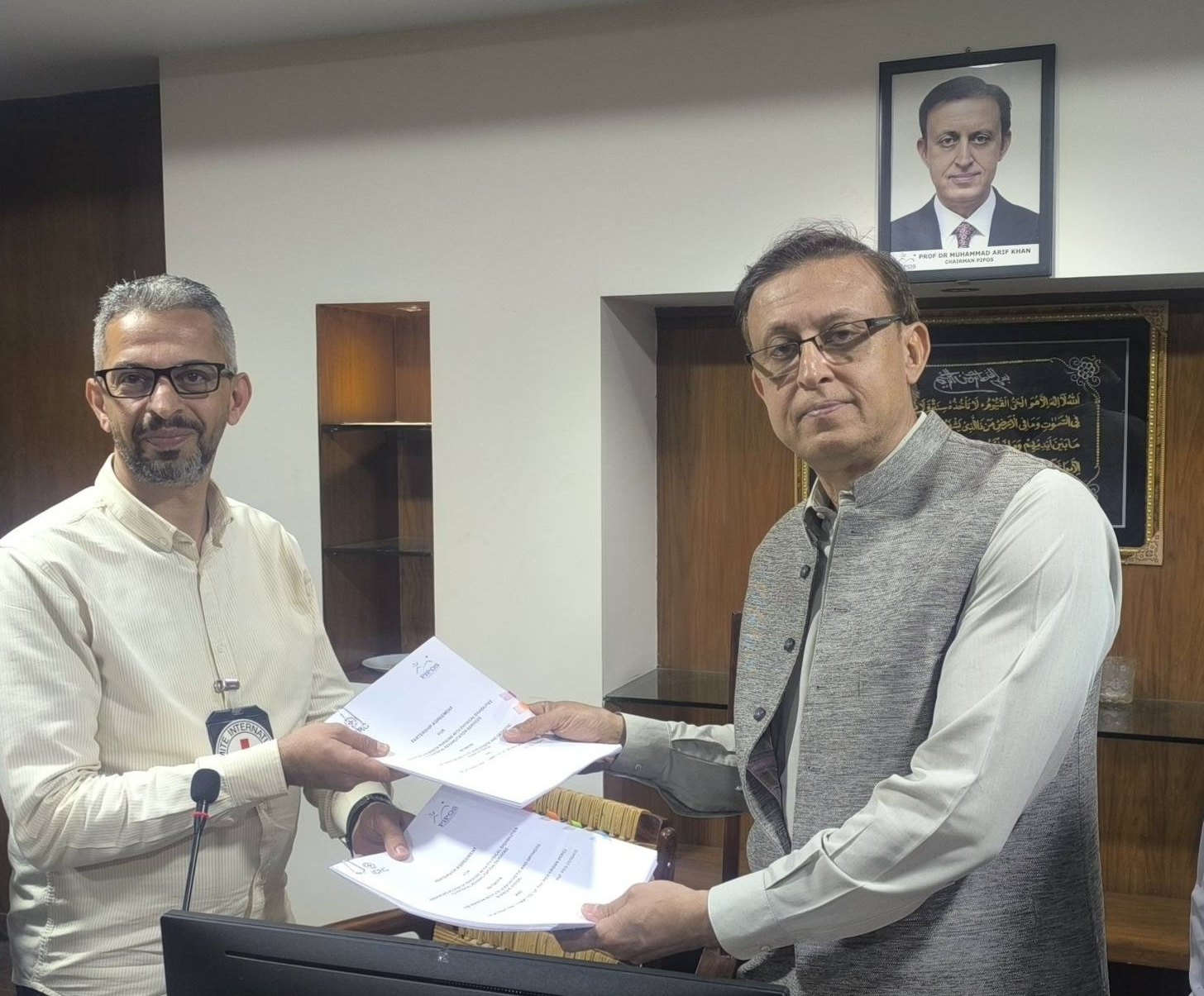
The Pakistan Institute of Prosthetic and Orthotic Sciences (PIPOS) and the International Committee of the Red Cross (ICRC) have signed a new memorandum of understanding aimed at strengthening rehabilitation services for persons with disabilities in Pakistan. The agreement reflects a shared focus on improving prosthetic, orthotic, and physical rehabilitation support, particularly for people affected by trauma, polio, congenital conditions, and other mobility challenges.
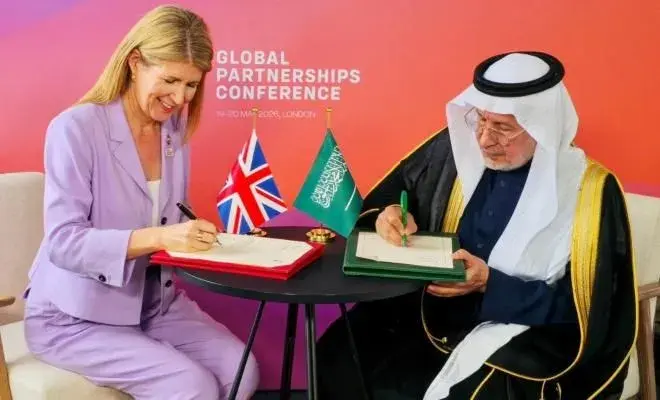
The MoU was formally signed by Professor Dr. Muhammad Arif, Chairman of the Board of Management at PIPOS, and Ahmad Abdal Qader Hasan Al-Mosa, Physical Rehabilitation Programme Manager for the ICRC in Pakistan, representing their respective organizations.
According to the announcement, the partnership is intended to strengthen technical support, capacity building, and service delivery standards at PIPOS, while reinforcing wider efforts to improve rehabilitation access for persons with disabilities.
For IMEA CPO readers, the agreement is significant because it brings together one of Pakistan’s best-known prosthetic and orthotic institutions with a long-standing humanitarian partner in physical rehabilitation. PIPOS describes itself as a leading national institution for prosthetic, orthotic, and rehabilitation care, while the ICRC says physical rehabilitation remains a core part of its work in Pakistan.
That matters because strong rehabilitation systems depend on more than devices alone. They require trained professionals, consistent technical standards, institutional development, and long-term support for service quality. This new MoU appears to be focused on exactly those areas, helping position PIPOS for stronger service delivery in the years ahead. This is an inference from the stated goals of the agreement.
The agreement also fits into a broader national rehabilitation context. PIPOS says it offers both clinical services and formal professional education, including a four-year BS in Prosthetic & Orthotic Sciences affiliated with Khyber Medical University and recognized by ISPO Category II standards. That gives the partnership added importance, because support to PIPOS can influence not only patient services, but also future workforce development in Pakistan’s O&P sector.
Speaking at the ceremony, Prof. Dr. Muhammad Arif appreciated the continued support of the ICRC in advancing inclusive rehabilitation services and reaffirmed PIPOS’s commitment to improving the quality of life of persons with disabilities through sustainable partnerships.
For the wider rehabilitation and O&P field, the MoU marks another step in strengthening institutional cooperation around physical rehabilitation in Pakistan. In practical terms, partnerships like this can help improve clinical quality, technical expertise, and the long-term resilience of rehabilitation services in a country where mobility support remains essential for many people living with disability. This is an inference, but it is consistent with both organizations’ stated roles in rehabilitation.
Why this matters
The strongest takeaway is that this MoU is not just a ceremonial agreement. It points to continued investment in prosthetic, orthotic, and physical rehabilitation capacity in Pakistan through collaboration between a specialist national institution and a major international rehabilitation partner. For IMEA CPO readers, that makes it a meaningful development in the country’s rehabilitation landscape.