 By
By
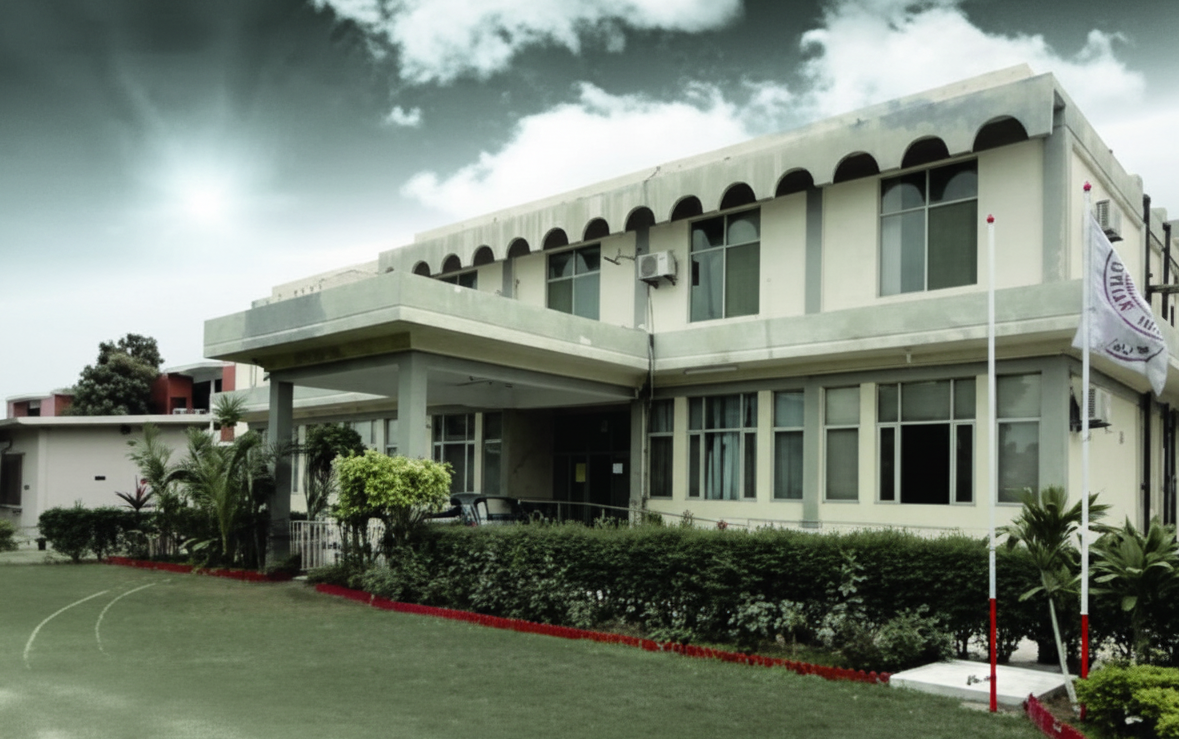
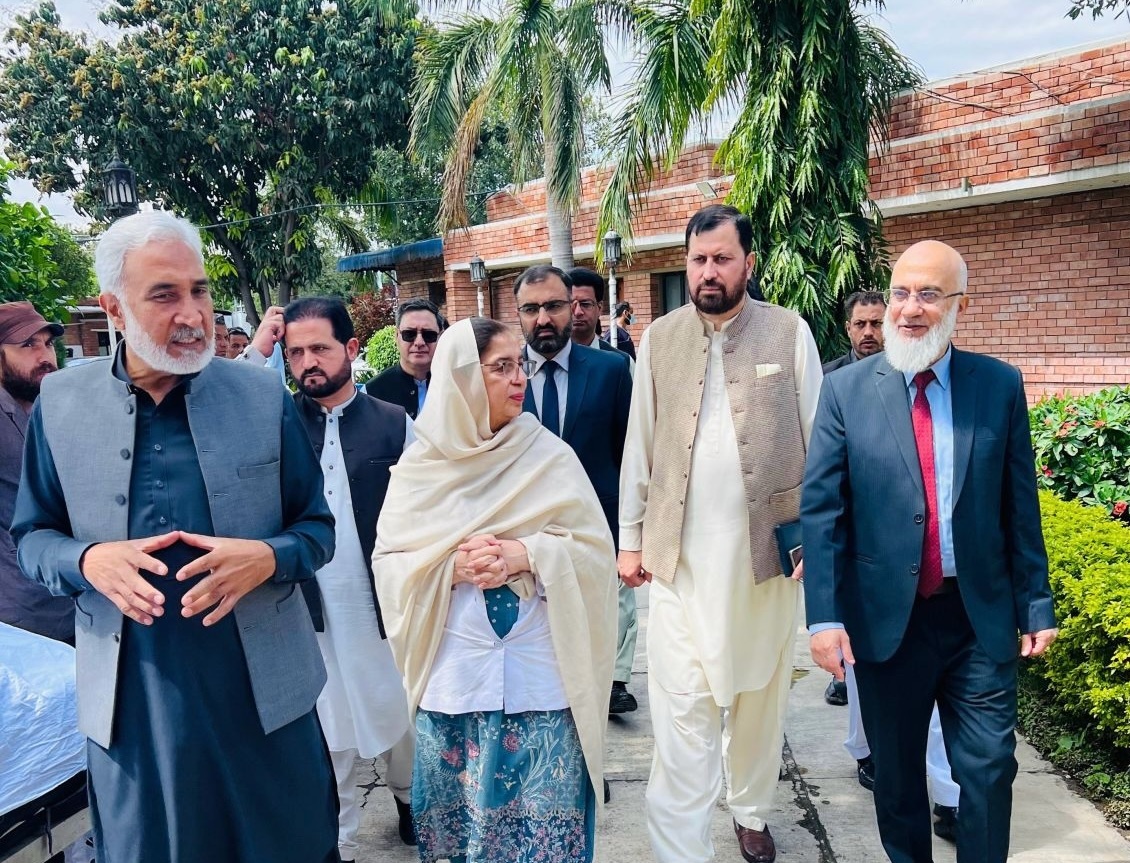
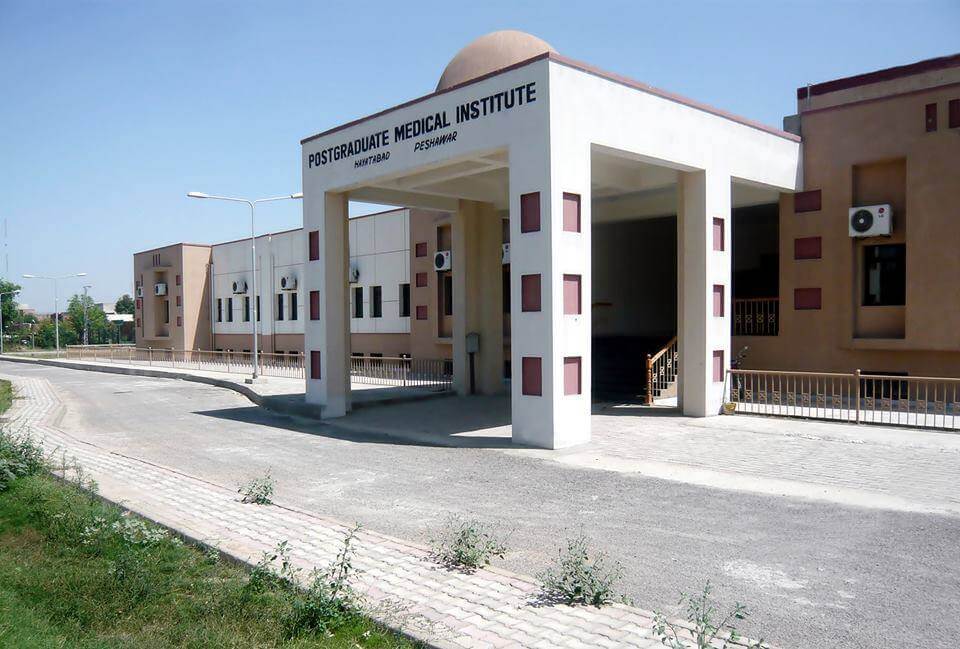
Khyber Pakhtunkhwa Health Minister Khaliqur Rehman has backed the expansion of prosthetic and orthotic services at the Pakistan Institute of Prosthetic and Orthotic Sciences (PIPOS) in Hayatabad, Peshawar, underlining the province’s continuing need for stronger rehabilitation capacity. The minister made the remarks during a visit to the institute on April 10, 2026, where he attended an event as chief guest.
According to The Nation, the minister described prosthetic and orthotic services as essential for the rehabilitation and social integration of persons with disabilities in Khyber Pakhtunkhwa. During the event, he praised PIPOS for its role in delivering specialized care and vocational support for people living with physical impairments.
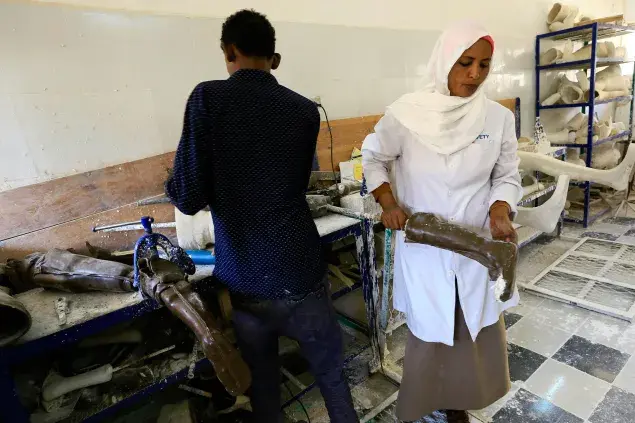
The visit matters because PIPOS is not just a clinical service point. The institute describes itself as a pioneer in prosthetic and orthotic sciences in Pakistan and says it combines professional training with rehabilitation services aimed at helping physically disabled people become more independent and active members of society.
That wider role was reflected in the minister’s remarks. The Nation reported that he said demand for these services remains high in the province and stressed the need to expand capacity to meet growing needs. He also said the provincial government had started measures to strengthen the institute, including infrastructure improvements, provision of modern equipment, and investment in skilled human resources.
For IMEA CPO readers, the most important point is that this is a recognition of rehabilitation as more than a secondary support service. In markets such as Pakistan, where disability, injury, and long-term mobility needs remain substantial, the ability of institutions like PIPOS to provide prosthetic fitting, orthotic services, training, and broader rehabilitation support is central to both clinical outcomes and social inclusion. This is an inference, but it follows directly from the minister’s emphasis on rehabilitation and integration.
The article also acknowledged the contribution of the International Committee of the Red Cross (ICRC). According to The Nation, the minister said ICRC’s financial and technical assistance had helped develop PIPOS into a key institution in the sector. That aligns with earlier ICRC material showing long-term support for physical rehabilitation in Pakistan, including work linked to PIPOS in Peshawar.
That point is significant because strong rehabilitation institutions rarely grow through infrastructure alone. They usually depend on a combination of policy backing, technical training, external support, and local professional development. In that sense, the minister’s visit signals not only praise for past work, but also a policy-level endorsement of continued institutional strengthening. This is an inference based on the article’s emphasis on capacity expansion and government measures.
The minister also highlighted the broader role of the facility, saying PIPOS helps equip individuals with the skills needed to lead independent and productive lives. He reportedly reaffirmed the provincial government’s commitment to developing the institute into a modern and sustainable centre able to address future rehabilitation challenges more effectively.
For the wider O&P sector, that makes the visit noteworthy. It suggests that in Khyber Pakhtunkhwa, prosthetic and orthotic services are being viewed not only as technical health services, but as part of a longer-term inclusion and rehabilitation agenda. In practical terms, that creates space for stronger service delivery, better training, and a more prominent role for rehabilitation within provincial health planning. This is an inference, but it is supported by the minister’s public framing of the institute’s value.
At the close of the ceremony, The Nation reported that the minister commended the staff for their work and was presented with a commemorative shield in recognition of his support.
Why this matters
The strongest takeaway is that PIPOS is being recognized as a strategic rehabilitation institution at a time when demand for prosthetic, orthotic, and wider disability support remains high in Khyber Pakhtunkhwa. For IMEA CPO readers, the story is a reminder that sustained growth in O&P services often depends on visible government backing, workforce investment, and institutions that can combine clinical care with long-term rehabilitation impact.