 By
By

A new study led by researchers at Chalmers University of Technology has demonstrated that intended leg movements can be decoded directly from the remaining peripheral nerves of people with above-knee amputations, a breakthrough that could help future prosthetic legs feel and function more like a natural part of the body. The research was published in Nature Communications and highlighted in a EurekAlert release issued on 19 March 2026.
The team reported that, for the first time, it successfully interpreted movement intentions directly from the residual nerves of above-knee amputees using implantable neurotechnology combined with AI-based spiking neural networks, an approach designed to mimic the way biological neurons communicate. According to the researchers, this made it possible to identify detailed intended movements, including attempts to move the knee, ankle, and even the toes of a phantom limb.
This matters because most current lower-limb prostheses do not offer direct neural control. Instead, prosthetic legs generally depend on mechanical systems and embedded sensors that automatically adapt to walking patterns, rather than responding to the user’s movement intent in a fully natural way. The new approach aims to bridge that gap by reading signals from nerves themselves rather than relying only on residual muscles or external mechanical inputs.
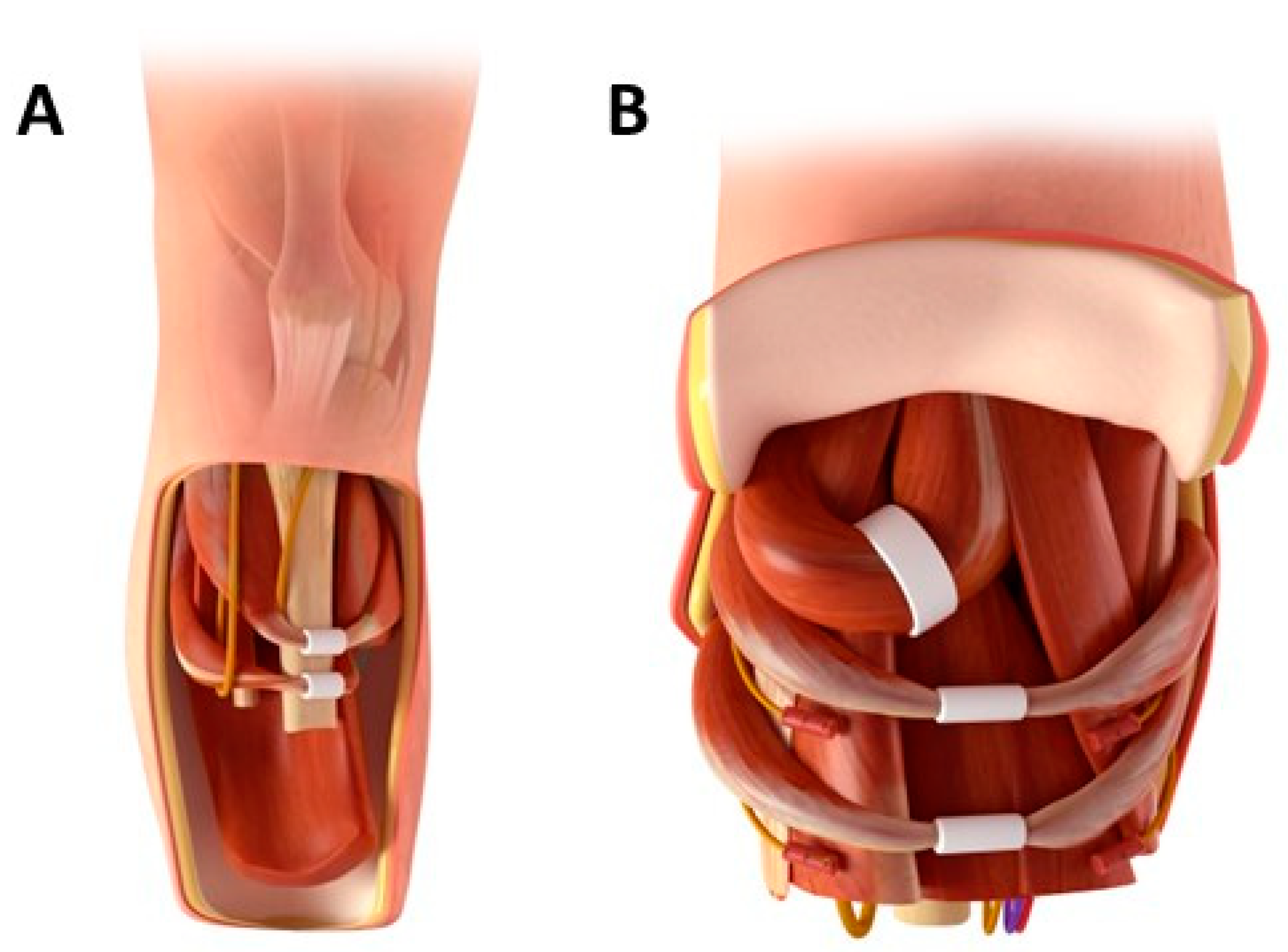
In the study, researchers implanted four ultrathin neural electrodes into the tibial branch of the sciatic nerve in two participants with above-knee amputations. When the participants attempted movements with their phantom limb, the system recorded outgoing nerve activity and decoded those signals with high accuracy. The researchers said the method provided unprecedented resolution in mapping specific neural signals to specific intended leg movements.
A particularly important aspect of the work is its potential to support both motor control and sensory feedback through the same implantable interface. The research team says this could eventually allow a future prosthetic leg not only to respond more intuitively to user intent, but also to return more natural sensation to the wearer, an advance that would mark a major shift in neuroprosthetic design.
For the global prosthetics and orthotics sector, the findings are significant because lower-limb amputation remains far more common worldwide than upper-limb loss, yet much of the most advanced neural interface research has historically focused on arms and hands. By showing that peripheral nerve recordings can be used to decode intended leg movement in transfemoral amputees, the study opens a new direction for more responsive lower-limb neuroprostheses.
The work remains an early proof of concept, and the researchers say the next step is to integrate the system into a real prosthetic leg for practical testing. Even so, the study offers a compelling glimpse of what the next generation of lower-limb prosthetic technology may look like: devices controlled more directly by the nervous system, with the potential to restore both function and feeling.