 By
By
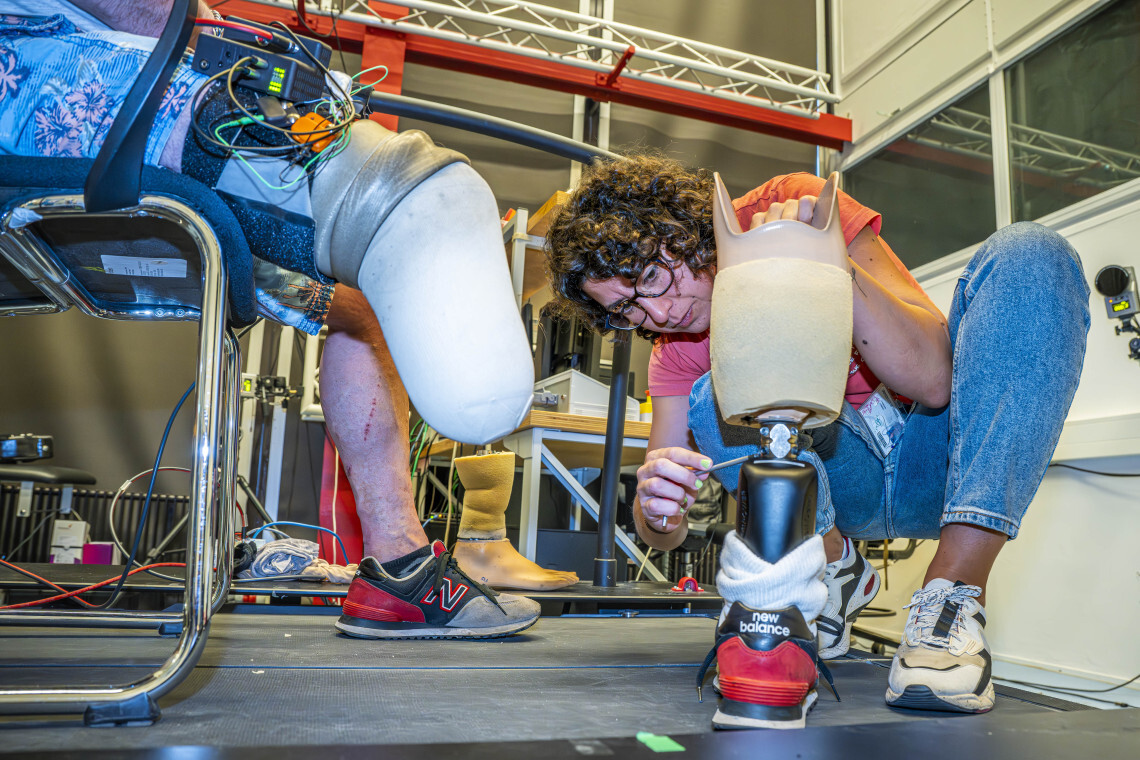
Advances in surgery and bioengineering are bringing prosthetic technology closer to natural human movement. New research shows that reconnecting muscles and nerves during amputation can allow prosthetic limbs to respond directly to signals from the nervous system, helping users walk more naturally and navigate obstacles more confidently.
Reconnecting Muscles to Restore Neural Feedback
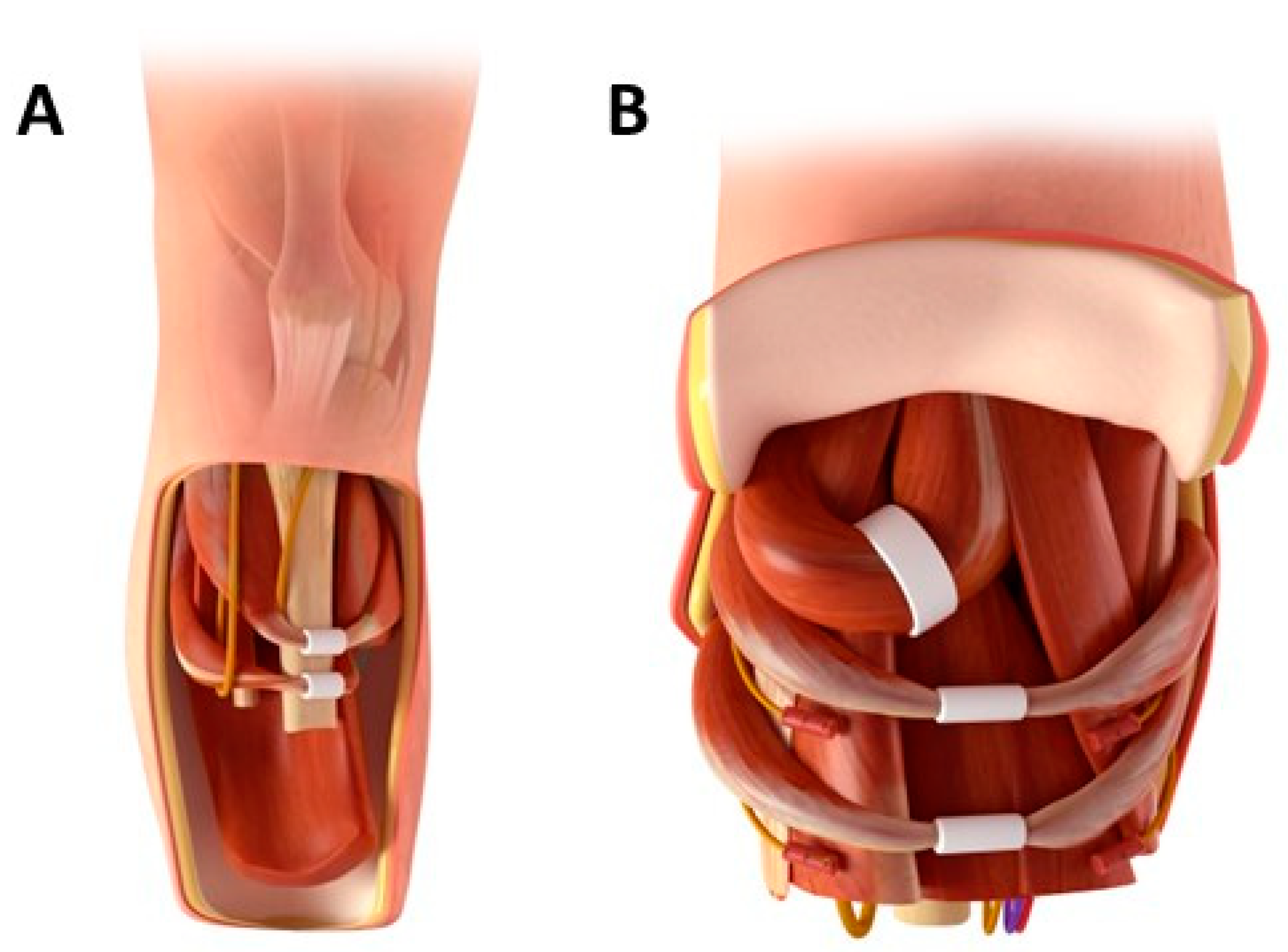
In traditional amputations, the natural interaction between muscle pairs is often disrupted. This makes it difficult for the nervous system to sense limb position or movement, forcing prosthetic devices to rely on robotic sensors and pre-programmed gait algorithms.
Researchers have developed a surgical approach known as the agonist–antagonist myoneural interface (AMI). This technique reconnects muscle pairs in the residual limb so that they continue communicating with each other, recreating the biological feedback loop used in natural limb movement.
Clinical Study Demonstrates Improved Walking Ability
In a study involving seven patients who underwent the procedure, individuals were able to walk faster and navigate obstacles with greater ease compared with people using traditional prosthetic systems. Participants also showed more natural movement patterns when climbing stairs and moving across uneven terrain.
Researchers say the results demonstrate that prosthetic limbs can operate under direct neural control rather than relying solely on robotic algorithms.
“This is the first prosthetic study… where the human nervous system is controlling the movement,” explained one of the researchers involved in the work.
Benefits Beyond Mobility
The surgical technique also appears to improve long-term health outcomes for amputees. Patients who received the procedure experienced less muscle atrophy and reduced pain compared with traditional amputation approaches.
So far, around 60 patients worldwide have undergone the surgery, and researchers believe it could eventually become part of routine amputation procedures.
Toward Truly Integrated Prosthetic Systems
The long-term goal of this research is to create prosthetic limbs that integrate seamlessly with the human nervous system. By combining surgical reconstruction with advanced prosthetic technology, scientists hope to restore both movement and sensory feedback.
Future systems may combine neural interfaces, advanced sensors and intelligent prosthetic components to deliver more intuitive control and improved mobility for people living with limb loss.
As prosthetic technology continues to evolve, the integration of surgery, neuroscience and robotics may redefine how prosthetic limbs function—moving the field closer to devices that behave like natural extensions of the human body.