
Animal Orthotics & Prosthetics

Innovative Robotic Vest Helps Dogs with Leg Injuries Walk Naturally

New robotic vest lets dogs with leg injuries walk using their own muscles

The attachable device listens to a dog’s movement and moves hind legs in sync, reducing stress and aiding recovery.

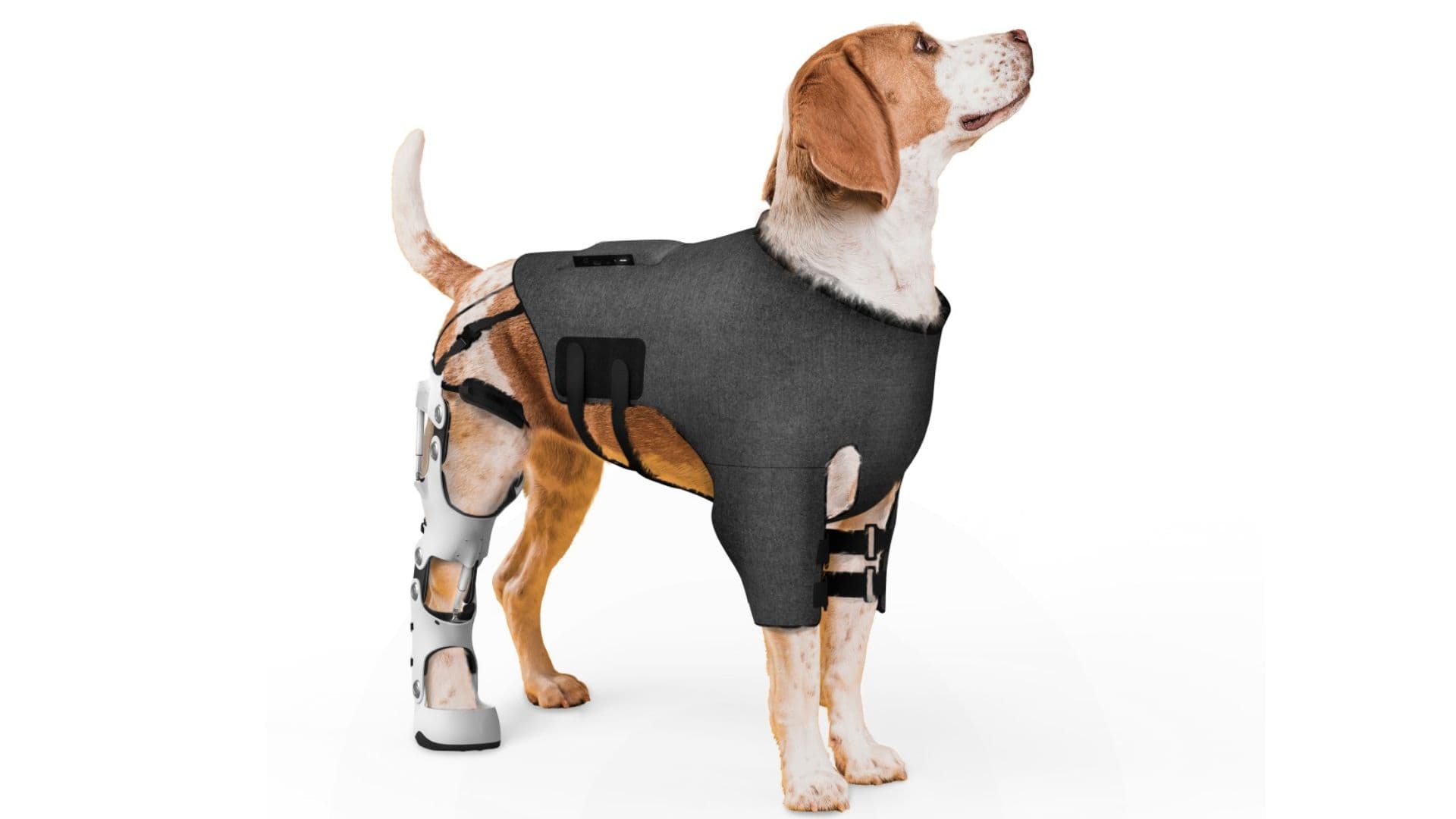
A new device called Repawse is giving dogs a second chance at walking after injury or illness. This design project is led by Zhou Leijing and her team in Hangzhou, China.

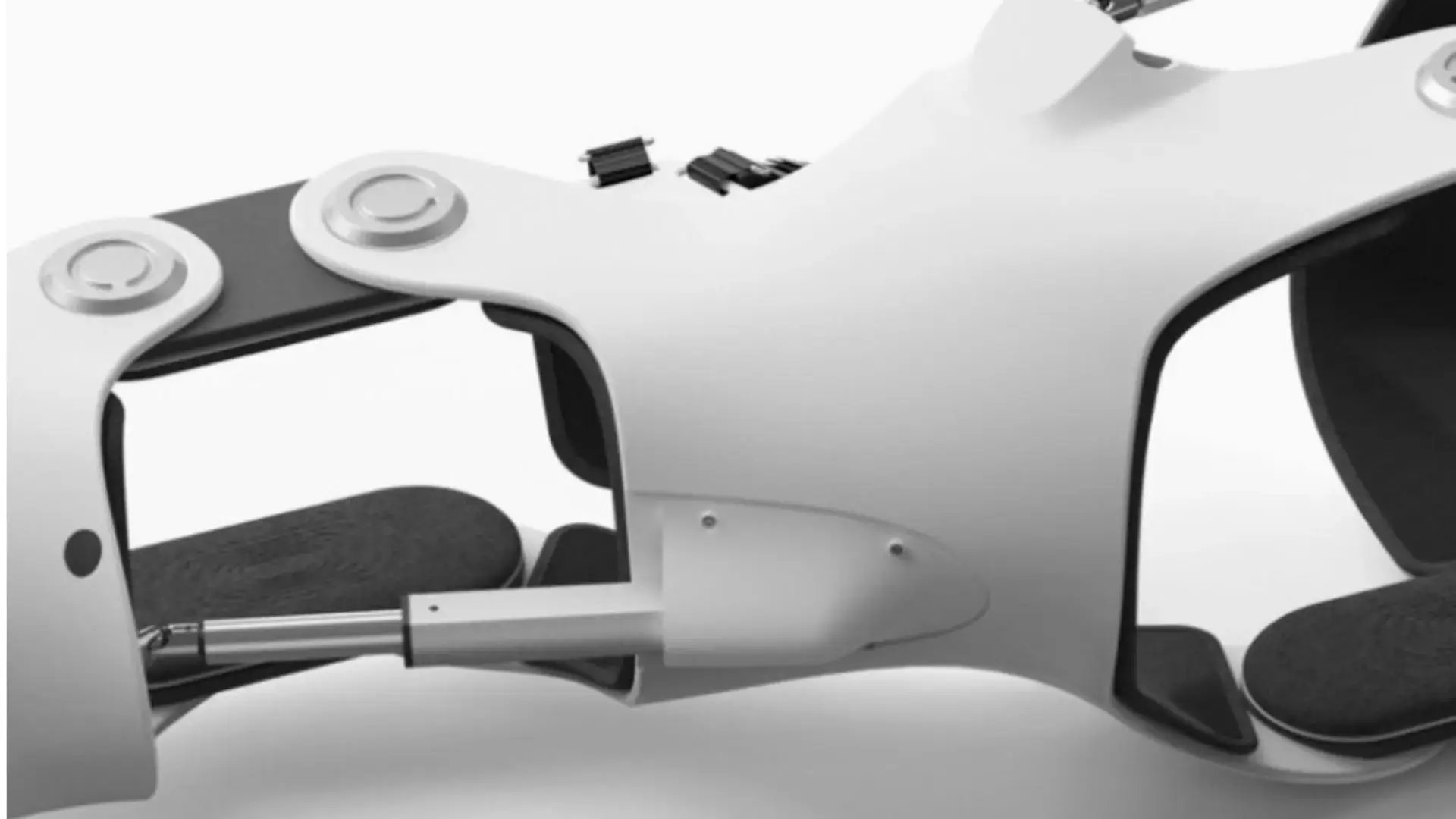
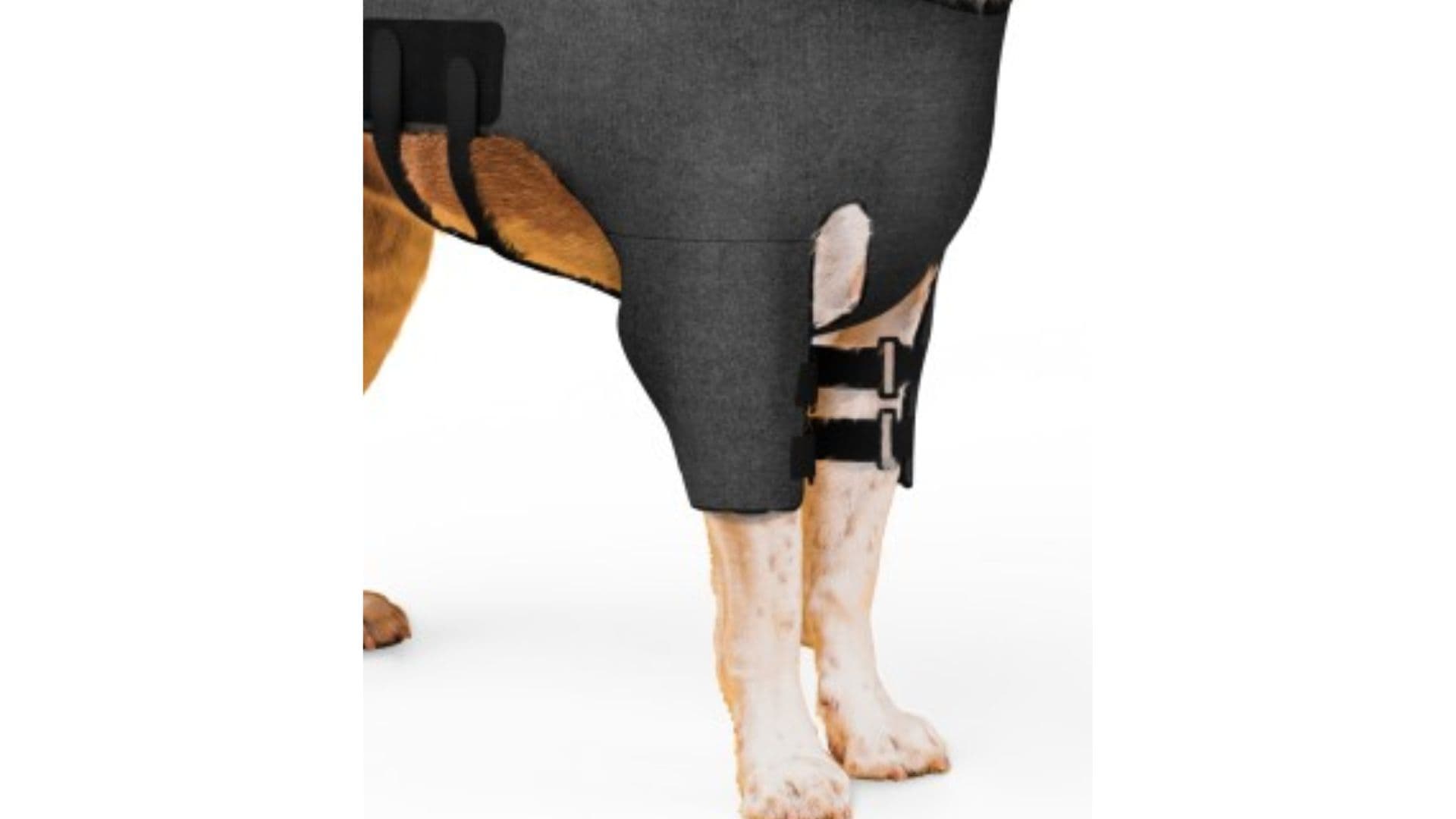
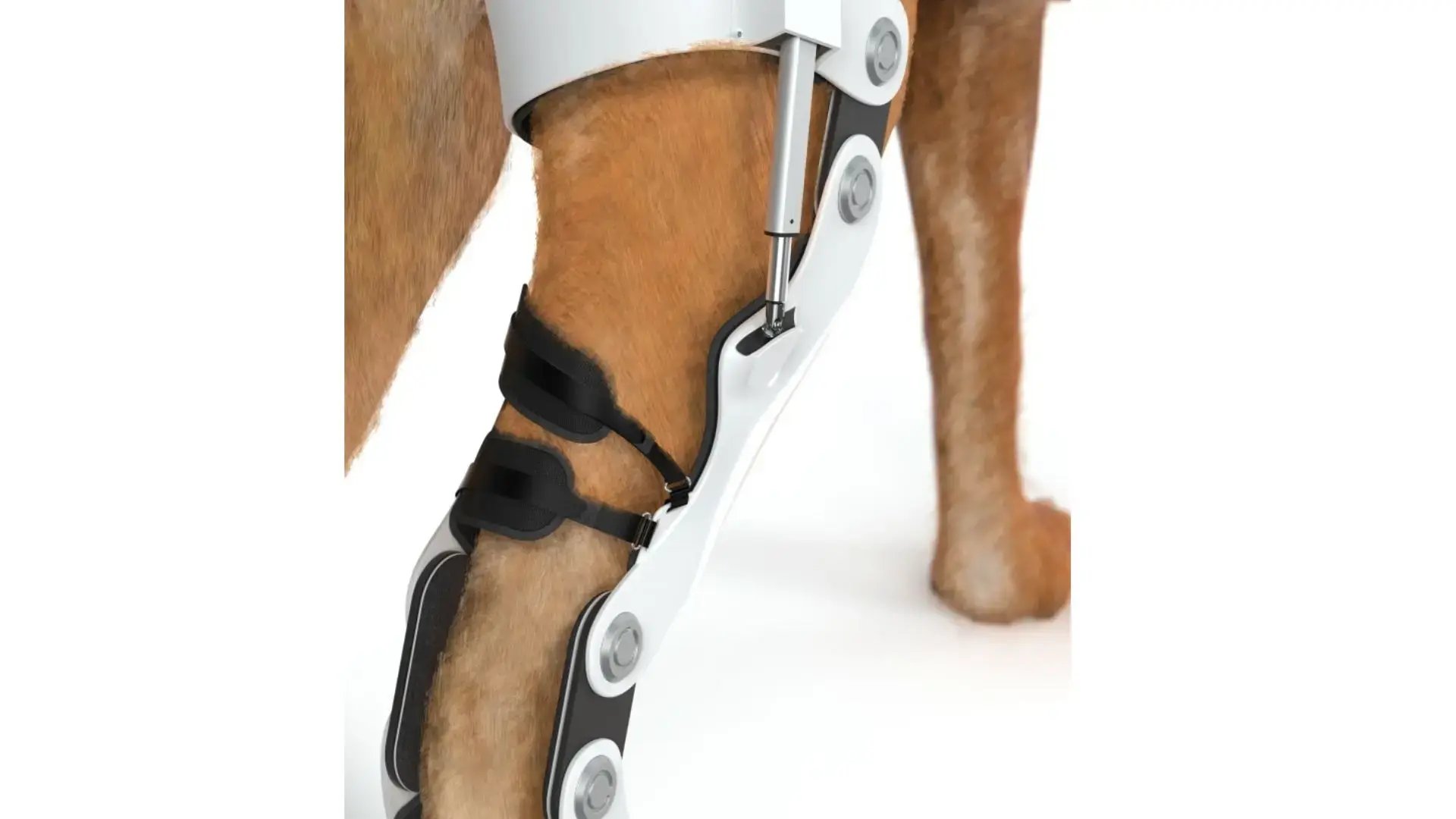
It is an attachable exoskeleton that supports dogs’ hind legs and helps them move naturally. Unlike traditional mobility aids, Repawse works by following the dog’s own movement rather than forcing motion.

It does not operate on its own. Instead, it uses surface electromyographic (sEMG) sensors placed on a healthy front leg.

These sensors detect muscle signals when the dog walks. The signals are sent to a control system that predicts how the injured hind leg should move next.

IE-Photo-16-1 (1)


Synchronizing front and back legs

Once the control system calculates the motion, linear actuators move the hind leg in coordination with the front leg. The goal is not to increase speed or strength, but to restore coordinated walking. This means the dog leads the movement, and the exoskeleton follows, creating a natural walking experience.

IE-Photo-15

Simple interaction reduces stress

Repawse avoids complicated screens, buttons, or commands. If the dog stops, the system stops. If the dog moves, the system responds. This design minimizes stress and confusion, allowing the dog to walk as normally as possible while receiving support.


IE-Photo-20-1

Filling a gap in pet rehabilitation

Many dogs lose mobility in their hind legs due to accidents, surgery, or illness. Traditional solutions like passive prosthetics or carts help support the body but do not enable natural walking. Repawse fills this gap by helping dogs move using their own muscle signals, making rehabilitation more effective and closer to real motion.

Inspiration from personal experience
The project began in 2023, inspired by Zhou Leijing’s care for her own injured dog and news about prosthetics for pets. She realized that dogs need tools specifically designed for their bodies rather than adapted human devices. Her team studied human exoskeleton therapy and redesigned it for four-legged animals.
 
IE-Photo-19-1

Adapting technology for pets

Repawse shows how technology from human rehabilitation can be applied to animals. The system’s sensors, control unit, and actuators were carefully adjusted for dogs’ anatomy and movement patterns. The result is an attachable exoskeleton that is lightweight, responsive, and safe for pets.

Recognition in design
In 2025, Repawse earned the Silver A’ Pet Care Design Award. The award recognized how the device combines design and technology to improve animal care. It highlights innovation in creating rehabilitation tools that truly respond to the needs of pets rather than simply copying human solutions.
 
Looking ahead for pet mobility
Repawse represents a new era in pet rehabilitation. By enabling dogs to walk naturally after injury, it offers hope to pets and their owners. The system could inspire more research into assistive devices for animals, turning technology into a tool for better health and quality of life.
The Editor

Prosthetics Camp in Equatorial Guinea Transforms Lives with Innovation

Previous article

New Prosthetics and Physical Therapy Center Opens in Hajjah, Yemen

Next article