 By
By
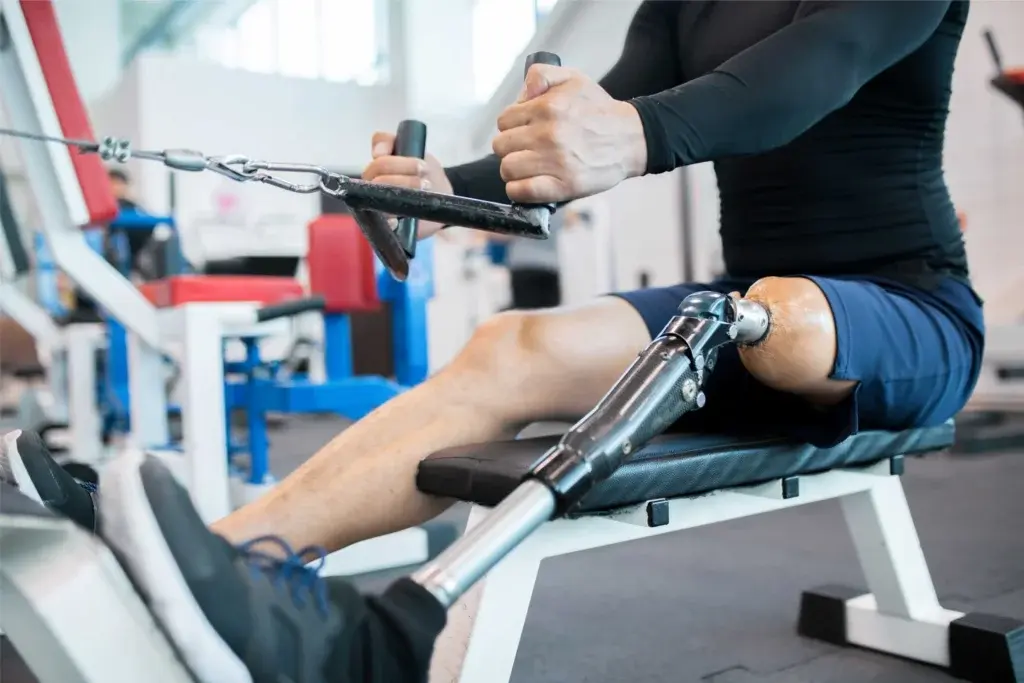
New research from the Hospital for Special Surgery suggests that osseointegration may significantly improve mobility, prosthetic use and overall quality of life for people living with limb loss. The findings were presented at the annual meeting of the American Academy of Orthopaedic Surgeons and examined clinical outcomes from several recent patient studies.
What Is Osseointegration?
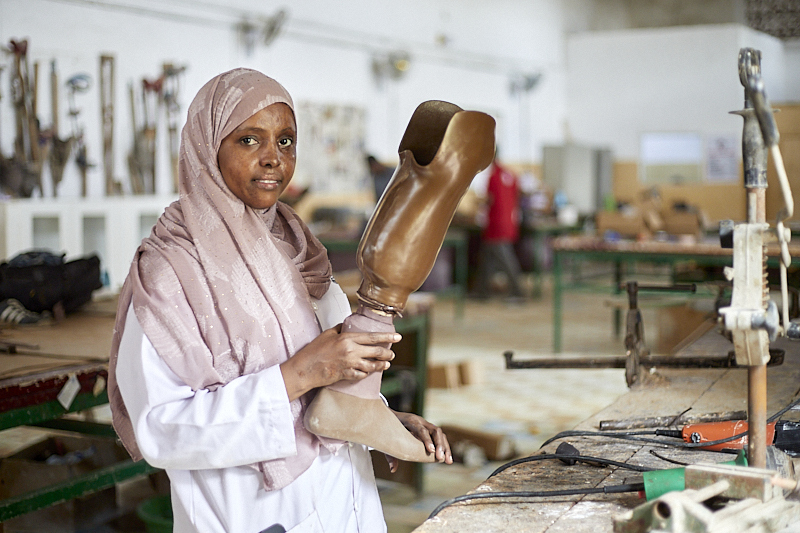
Osseointegration is a surgical procedure that connects a prosthetic limb directly to the skeleton through a titanium implant anchored in the residual bone. Unlike traditional socket prostheses, this approach eliminates the need for a socket that fits around the residual limb.
By attaching the prosthesis directly to the bone, patients may experience improved stability, better energy transfer and more natural movement when walking or performing daily activities.
Improved Prosthetic Use and Patient Outcomes
Researchers analysed clinical outcomes from multiple studies involving patients who received osseointegration implants.
The results showed significant improvements in patient-reported outcome scores, along with increased prosthetic use among individuals who previously relied on socket prostheses.
In particular, patients who transitioned from socket systems to osseointegrated implants reported:
- improved comfort
- better mobility
- greater confidence when using their prosthesis
These improvements highlight the potential advantages of bone-anchored prosthetic systems compared with traditional socket-based designs.
Custom 3D-Printed Implants Show Promise
One of the studies explored the use of custom 3D-printed osseointegration implants designed from patient CT scans.
Researchers reviewed the outcomes of 19 patients who underwent osseointegration procedures using additively manufactured implants between 2024 and 2025. The procedures included both upper- and lower-limb amputations.
The implants were produced using electron beam melting, a manufacturing method that allows surgeons to create implants tailored to the exact shape of a patient’s residual bone.
This custom approach helped avoid complications sometimes seen with standard implants, such as fractures occurring during implantation. Importantly, researchers reported no cases of implant loosening in the early follow-up period.
Reducing Common Problems with Socket Prostheses
Traditional socket prosthetic systems can present several challenges for amputees. These may include:
- skin irritation and sores
- sweating and heat buildup
- poor fit due to limb volume changes
- difficulty controlling the prosthesis
Osseointegration removes the socket interface entirely, which may reduce many of these common issues.
Direct skeletal attachment can also improve proprioception, allowing users to sense ground contact and movement more effectively through the implant.
Expanding Options for Amputee Rehabilitation
Although osseointegration is not suitable for every patient, researchers believe the procedure represents an important step forward in prosthetic rehabilitation.
Current research continues to evaluate long-term durability and outcomes, particularly as new technologies such as custom 3D-printed implants and advanced surgical techniques become more widely available.
For patients who struggle with traditional sockets, bone-anchored prostheses may offer a promising alternative that improves mobility, comfort and prosthetic control.
As surgical methods and implant technologies continue to evolve, osseointegration could play an increasingly important role in the future of prosthetic care.