 By
By
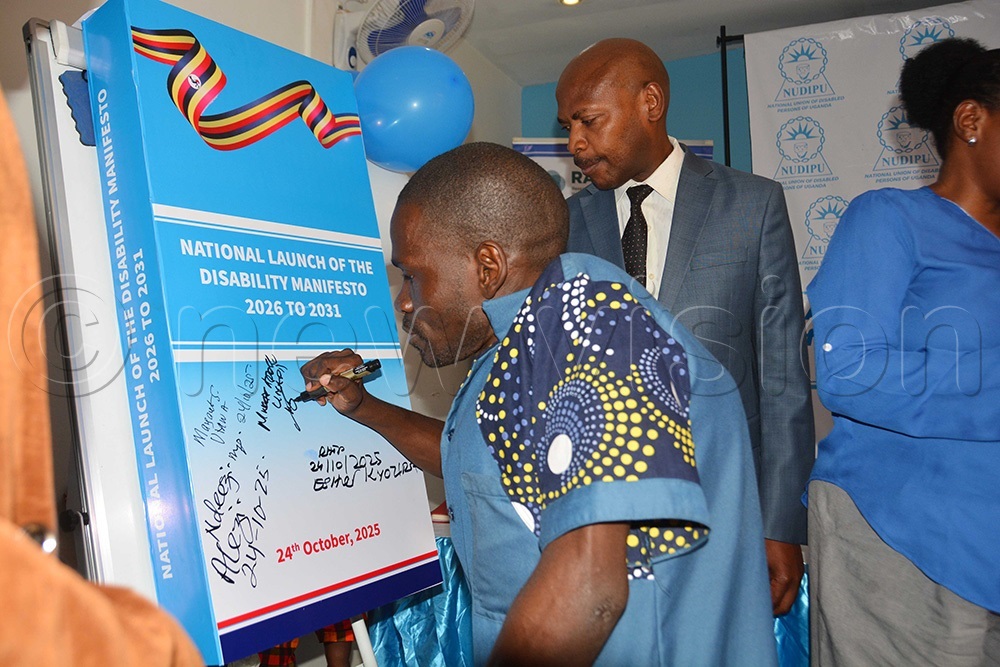
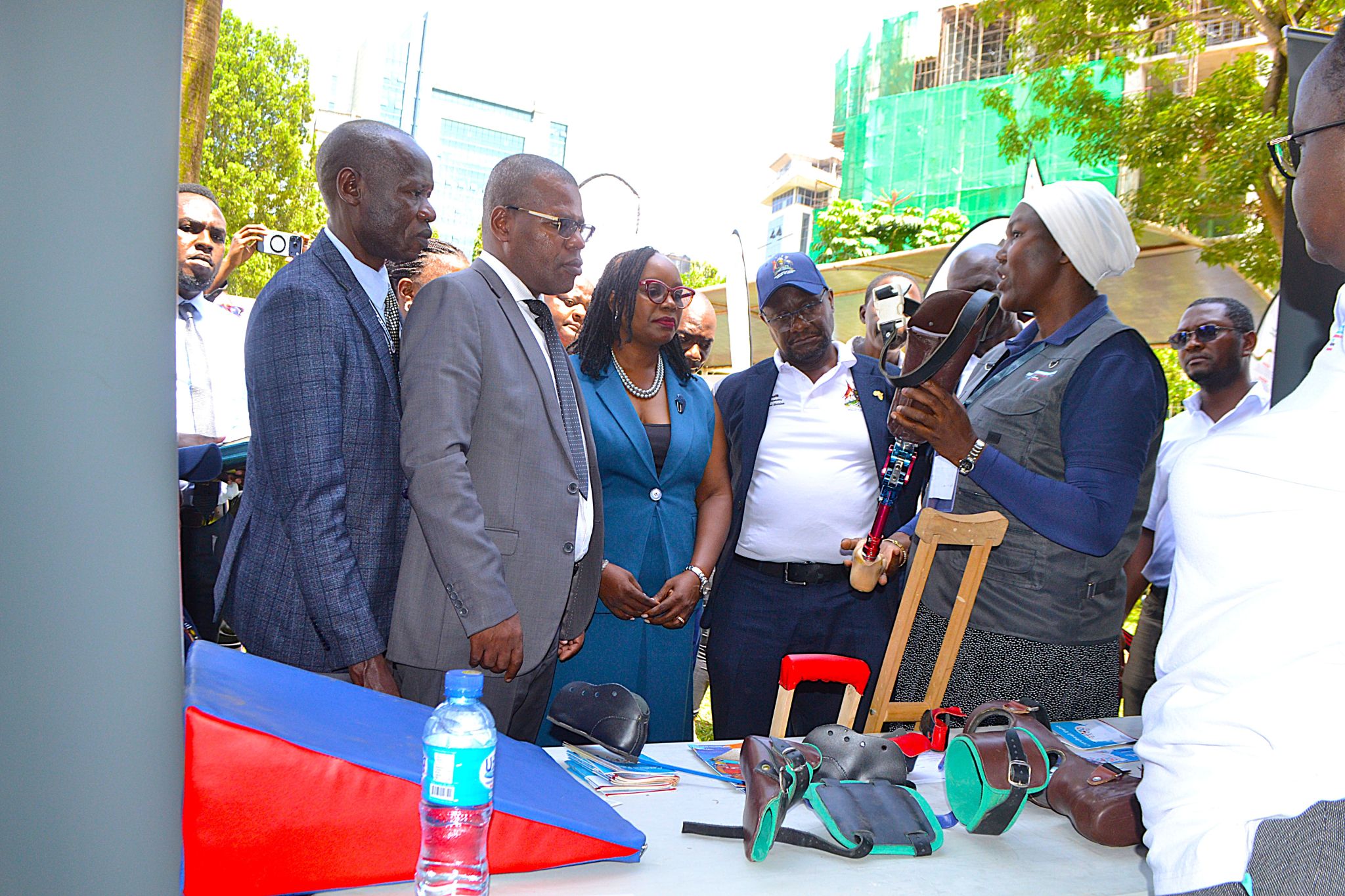
Uganda’s National Union of Disabled Persons of Uganda (NUDIPU) says sh800 million is needed to procure prosthetic limbs for about 200 amputees, putting fresh attention on the country’s wider access gap in mobility and rehabilitation services. The appeal was highlighted by New Vision, which reported that the campaign is aimed at restoring mobility, dignity, and independence for people who have lost limbs through accidents, diabetes, and other preventable conditions.
According to New Vision, NUDIPU Executive Director Esther Kyozira said the fundraising push is intended to respond to persistent barriers facing persons with disabilities in Uganda, especially those who cannot afford prosthetic care. She said many amputees remain without artificial limbs and are therefore pushed into lives of dependency, exclusion, and reduced mobility.
The campaign comes against a large disability backdrop. New Vision reported that Uganda’s 2024 national census recorded 5.5 million people living with disabilities, equal to 13.2% of the population, with more than 3 million of them women. In the earlier October 2025 coverage of the same prosthetic funding campaign, Kyozira said the need extends far beyond the 200 people targeted in the current appeal, describing the proposed limb purchases as only “a drop in the ocean.”
That wider need matters for IMEA CPO readers because it shows how prosthetic access remains constrained not only by clinical capacity, but also by affordability. New Vision’s earlier report said each prosthetic limb was estimated to cost around sh4 million, a figure that helps explain why even relatively modest national funding gaps can leave large numbers of amputees without support.
The Ugandan discussion is also closely tied to the causes of limb loss. In the April 2026 report, Kyozira said the current campaign is especially intended to support people who lost limbs through road accidents, diabetes, and other preventable conditions. In the October 2025 article, New Vision added more detail from Ugandan hospital data, noting that 81.2% of amputations were lower-limb, 14.2% were upper-limb, and that gangrene accounted for about 30.3% of amputation causes, followed by road traffic accidents and diabetes.
For the O&P sector, that mix of causes is significant. It suggests that Uganda’s prosthetic need is not only trauma-related, but is also shaped by chronic disease, delayed treatment, and preventable lower-limb complications. In practical terms, that supports not just a case for more prosthetic provision after amputation, but also for stronger diabetic foot pathways, wound care, limb-preservation strategies, and earlier rehabilitation referral. This is an inference from the amputation-cause breakdown and the funding appeal.
The campaign is also part of a broader disability-rights push. Related New Vision reporting from January 2025 said NUDIPU had also called for subsidised mobility devices for persons with disabilities, while other disability advocates urged Uganda to allocate more of its health budget to rehabilitation services and assistive products. That wider context suggests the prosthetic funding appeal is not a one-off request, but part of a continuing effort to close the gap between policy language and real access to assistive support.
For IMEA CPO readers, the most important takeaway is that even a relatively defined prosthetic goal, 200 limbs, can expose a much larger systems challenge. Uganda’s appeal shows how many amputees remain outside functional rehabilitation pathways because of cost, limited service coverage, and weak assistive financing. That means prosthetic access remains a rights issue as much as a technical one. This is an inference, but it follows directly from the campaign framing and the scale of need described in the reporting.
Why this matters
NUDIPU’s sh800 million appeal is a reminder that in many IMEA markets, the biggest barrier to prosthetic access is not whether the technology exists. It is whether people can actually reach and afford it. In Uganda, the push to fund 200 prosthetic limbs highlights both the immediate need for mobility support and the larger challenge of building more inclusive, sustainable rehabilitation systems.