 By
By
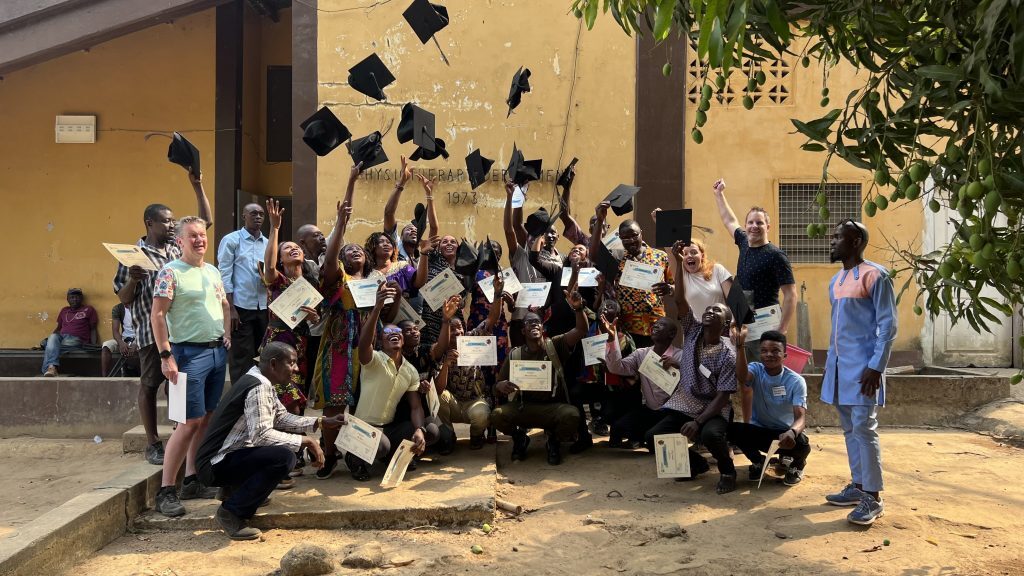
Sierra Leone is a small but important orthotics, prosthetics and rehabilitation market in West Africa. The country’s need profile is shaped by a combination of trauma, disability, unmet rehabilitation demand, limited specialist service capacity and a health system that continues to build toward wider access. The population was about 8.64 million in 2024 according to the World Bank, creating a meaningful national demand base even though the formal O&P market remains relatively underdeveloped.
For the orthotics and prosthetics sector, Sierra Leone is notable because rehabilitation and assistive technology have been increasingly recognized at policy level, even while service delivery remains constrained. The country’s Persons with Disability Act 2011 established the legal basis for disability rights and for the National Commission for Persons with Disability, which was subsequently established in 2012. That gives Sierra Leone a defined institutional framework for disability inclusion, even if implementation capacity and funding remain uneven.
The rehabilitation landscape has also become more structured in recent years. WHO reported that Sierra Leone developed a Medical Rehabilitation and Assistive Technology Policy and Strategy with Ministry of Health leadership and partner support. WHO Africa has also highlighted further system-building steps including completion of a rehabilitation situation assessment, development of a national rehabilitation and assistive technology strategic plan, introduction of standard rehabilitation and AT indicators, revision of health information tools, and integration of rehabilitation and AT services into ten primary healthcare facilities.
From an O&P delivery perspective, one of the most useful reference points is Sierra Leone’s WHO-supported assistive technology work. The country’s Priority Assistive Products List states that there are four rehabilitation centres under the Ministry of Health and Sanitation: the National Rehabilitation Centre in Freetown and three regional rehabilitation centres in Kono, Bo and Makeni. For a country of Sierra Leone’s size, that is an important foundation, but it also highlights how limited nationwide physical access still is for many users who live far from those centres.
The same WHO-supported assistive technology assessment points to broader structural challenges across the sector, including gaps in product availability, workforce capacity, financing, procurement systems, public awareness and referral pathways. In other words, Sierra Leone has the outline of a national rehabilitation and assistive technology system, but not yet the mature market depth or service density seen in stronger regional health systems. That creates both a capacity challenge and a long-term market opportunity.
For orthotics and prosthetics specifically, Sierra Leone’s demand profile is wider than prosthetic limb care alone. The national assistive products planning framework covers mobility, posture, vision, hearing, communication and daily living products, reflecting a broader understanding of assistive technology as part of health system strengthening. That matters because the O&P market in countries like Sierra Leone often grows not as a stand-alone private market first, but as part of a wider rehabilitation and assistive technology ecosystem linked to hospitals, disability services, donor programmes and public-sector procurement.
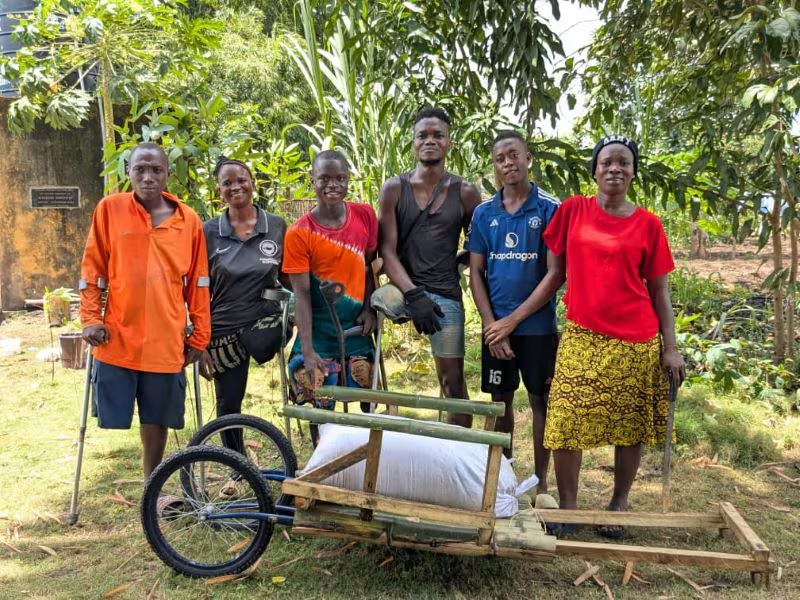
There is also a strong historical and social context behind rehabilitation demand. Sierra Leone continues to live with the long tail of conflict-related disability, road traffic injury, illness-related impairment and chronic unmet needs among persons with disabilities. While not a formal market statistic, reporting and disability-sector analysis continue to show that amputees and other persons with disabilities often face exclusion from employment and social participation, which in turn affects access to rehabilitation, mobility devices and long-term follow-up services.
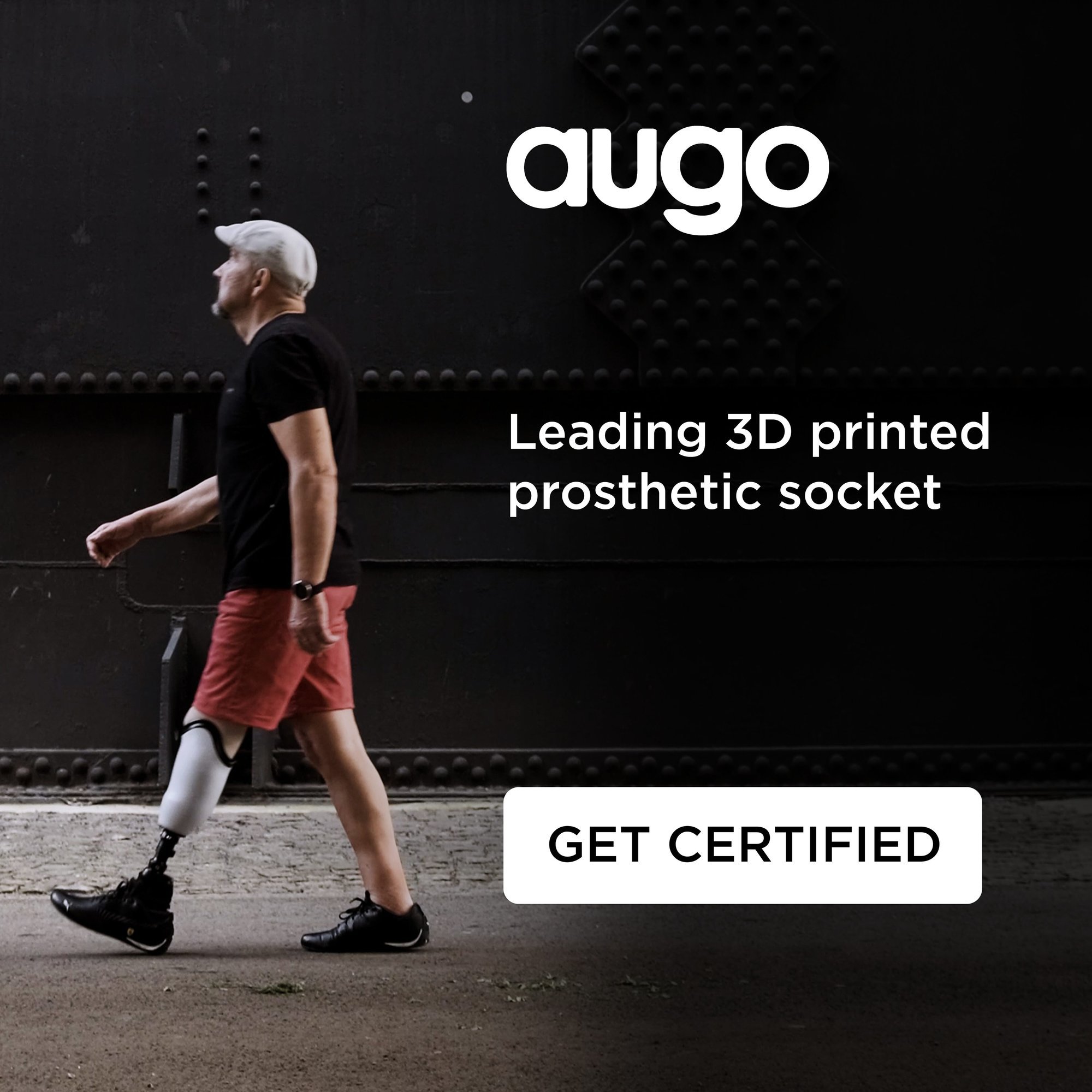
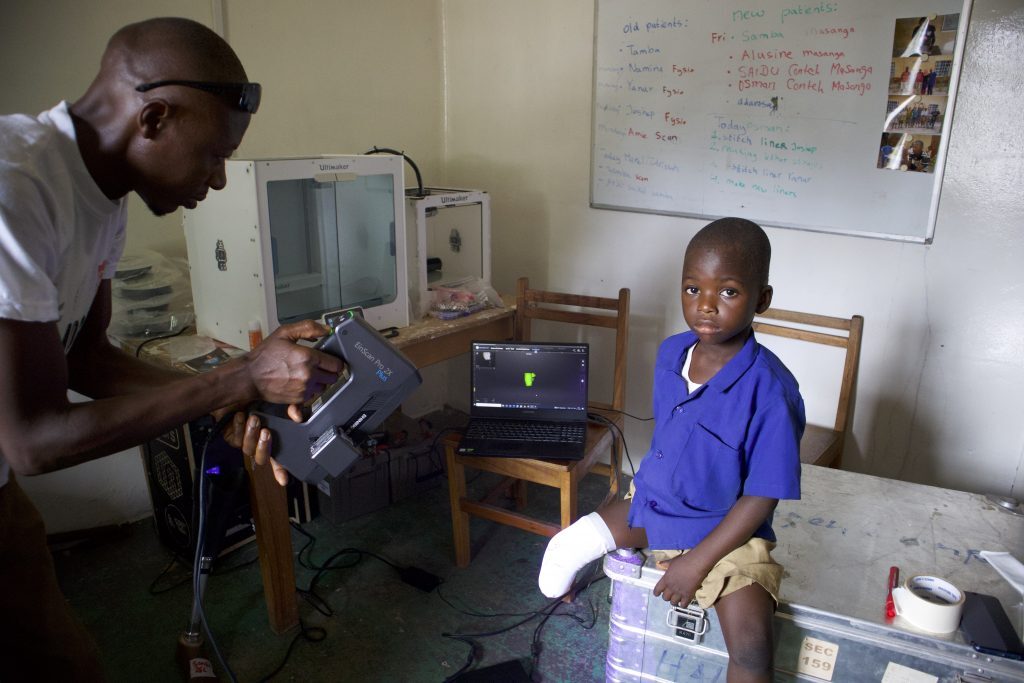
For suppliers and service providers, Sierra Leone is therefore best understood as a developing access market rather than a mature commercial O&P market. The immediate opportunities are likely to be in areas such as lower-limb prosthetics, lower-limb orthoses, mobility aids, pediatric and neurological support devices, rehabilitation equipment, consumables, workshop tools, training and service partnerships. Opportunities may also emerge in digital workflow pilots and lower-cost fabrication models, especially where they help reduce dependency on centralized production and improve fit, repeatability or turnaround times. UNICEF-linked analysis has highlighted Sierra Leone in the context of assistive technology access and has also referenced early work around lower-cost 3D printed prosthetic approaches in the country.
At the same time, any serious market entry or expansion strategy in Sierra Leone has to start with realism. Procurement budgets are limited, donor and NGO activity can be highly influential, and clinical capacity building is just as important as product availability. Companies looking at Sierra Leone need to think in terms of partnership models, training support, service integration and cost-conscious technologies rather than expecting a large-volume premium product market from the outset. WHO’s Africa regional rehabilitation review makes clear that Sierra Leone is still in a system-development phase, even if the direction of travel is positive.
The most encouraging sign is that Sierra Leone is no longer starting from zero. It has a disability law, a national disability commission, identified rehabilitation centres, formal assistive technology planning work, and a growing policy recognition that rehabilitation belongs inside the health system rather than at its margins. That does not remove the access gap, but it does create a platform on which future O&P service development can be built. For the orthotics and prosthetics industry, Sierra Leone is a market where long-term value is likely to come from affordable, durable, service-linked solutions that fit local realities rather than imported models of care that assume dense infrastructure and high reimbursement levels.
In short, Sierra Leone’s O&P sector remains early-stage, underserved and institutionally fragile in places, but it is also increasingly visible within national health and disability planning. For manufacturers, distributors, NGOs, training partners and rehabilitation operators, that makes Sierra Leone a country to watch: not because it is already a large market, but because the need is clear and the foundations for more structured rehabilitation growth are gradually being laid.
- World Bank country data for Sierra Leone
- Sierra Leone Persons with Disability Act 2011
- National Commission for Persons with Disability – Sierra Leone
- WHO Assistive Technology Country Capacity Assessment – Sierra Leone
- Priority Assistive Products List of Sierra Leone
- WHO Africa: Increasing access to quality rehabilitation services in Africa
- WHO Sierra Leone 2020–2021 Biennial Report