 By
By
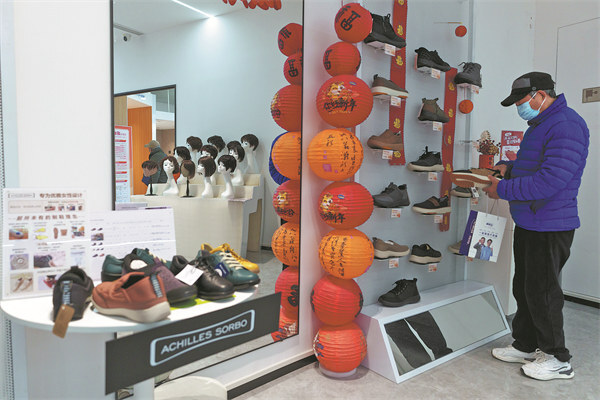
A new retail concept in Shanghai is attracting strong attention after the opening of the city’s first specialty store dedicated to products for older adults. The initiative highlights the rapid growth of the senior care economy and the increasing demand for assistive technology, rehabilitation equipment and age-friendly design.
Original article:
https://global.chinadaily.com.cn/a/202603/06/WS69aa0ae7a310d6866eb3bfae_1.html
Growing Demand for Age-Friendly Products
The Shanghai Modern Aging Store, located in the Putuo district, opened in December and has already exceeded expectations in both visitor numbers and sales. The 1,200-square-meter facility serves as an experience centre where older adults can try products designed to improve mobility, comfort and independence.
Within the first month of operation, the store recorded sales of approximately 500,000 yuan, rising to nearly 950,000 yuan by the end of February. According to the store’s management team, the strong response reflects a long-standing demand that previously lacked a dedicated retail environment.
Shanghai’s ageing population continues to grow, with more than one-third of registered residents now aged 60 or older. This demographic shift is driving interest in new solutions for daily living, rehabilitation and long-term care.
Assistive Technology and Mobility Devices in Focus
The store displays a wide range of products aimed at supporting independent living, including:
- electric wheelchairs and mobility aids
- smart assistive devices
- rehabilitation and exercise equipment
- adaptive furniture and home modifications
- age-friendly clothing and footwear
Visitors can test products on site, including adjustable beds, lift toilets, and walking aids, allowing them to evaluate comfort and usability before making a purchase.
Hands-on experience is considered essential, as many older customers prefer to try devices themselves rather than rely on family members or online shopping.
Exoskeletons and Smart Devices Attract Attention
One of the most popular areas of the store features advanced technology such as wearable exoskeleton systems designed to support walking and improve mobility.
Staff assist customers with fitting and adjustment, helping them understand how the devices work. According to store representatives, online sales of such products often result in high return rates because users struggle with setup or lack proper instruction.
Providing in-person guidance helps reduce anxiety and allows seniors to gain confidence when using new technology.
Other smart products include navigation glasses for visually impaired users, electronic musical instruments designed for reduced hand strength, and portable exercise devices intended to support rehabilitation.
Design Matters as Much as Function
Interestingly, store managers report that older customers are not only focused on function but also on appearance.
Walking sticks, for example, are among the best-selling items, especially models with decorative designs or foldable seat functions. Products that combine practicality with modern aesthetics are particularly popular.
Retail staff noted that many seniors prefer stylish and contemporary designs rather than traditional medical-looking equipment.
This trend reflects a broader shift in the senior care market, where users increasingly expect products to match both lifestyle and identity.
Experience-Based Retail for the Senior Economy
The concept behind the store is to create a permanent exhibition space where older adults can explore products that are normally only shown at trade fairs or medical exhibitions.
Many items on display were originally presented at the International Exhibition of Senior Care, Rehabilitation Medicine and Healthcare Shanghai, but are now available year-round for testing.
The store also collects feedback directly from visitors. A “wish wall” allows seniors to request new products, which are then discussed with manufacturers for possible introduction.
This approach helps ensure that product development reflects real user needs rather than assumptions made by younger buyers.
Implications for Rehabilitation and Assistive Technology Markets
The success of the Shanghai store highlights the growing importance of the ageing population for the rehabilitation, orthotics, prosthetics and assistive technology sectors.
As life expectancy increases across Asia, the Middle East and many parts of the world, demand for mobility aids, rehabilitation devices and age-friendly environments is expected to rise significantly.
For manufacturers, distributors and clinicians, the model demonstrates the value of combining:
- hands-on product experience
- modern assistive technology
- user-centred design
- direct feedback from elderly users
This approach may become increasingly relevant as healthcare systems look for ways to support independent living and reduce long-term care costs.