 By
By
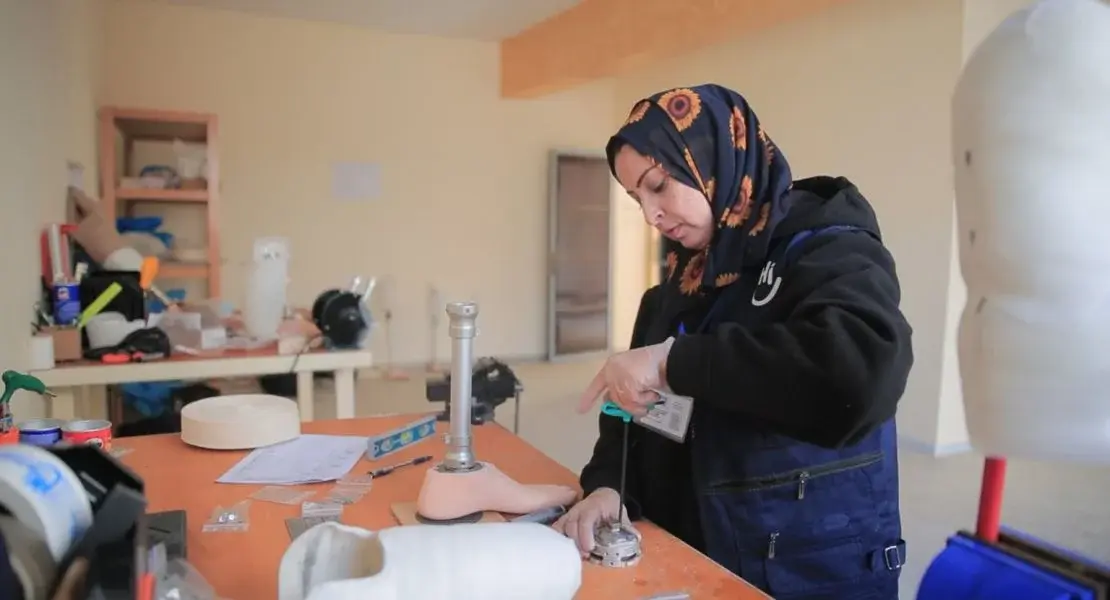
A new open-access publication in the RESNA Assistive Technology Journal offers a rare and deeply personal perspective on delivering prosthetic and orthotic rehabilitation in one of the world’s most challenging environments.
The paper, titled “Walking through conflict: An autoethnography of providing prosthetic and orthotic rehabilitation in the Gaza Strip (2023–2025)”, explores the lived experience of clinicians providing rehabilitation services during ongoing conflict.
The article can be accessed here:
https://lnkd.in/gh3PiQ-r
A Personal Account from the Frontlines of Rehabilitation
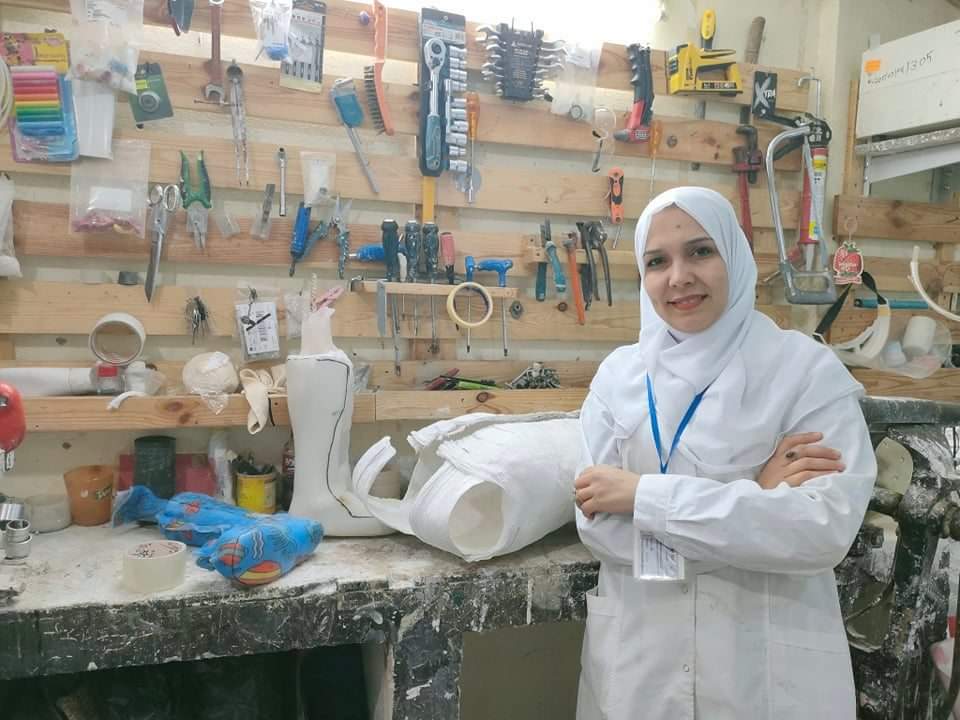
The study was written collaboratively with prosthetist-orthotist Heba Bashir, whose work in Gaza provides the foundation for the research.
Through an autoethnographic approach, the paper documents the emotional, ethical and professional realities faced by rehabilitation providers working in conflict zones. It highlights the complex role of clinicians who must continue delivering care while navigating the same dangers and trauma experienced by the patients they serve.
The research illustrates how, in prolonged conflict settings, healthcare providers often become both caregivers and survivors.
When the Clinician Is Also Living the Conflict
The publication offers a powerful reflection on the human dimension of rehabilitation practice in crisis settings.
Bashir’s account demonstrates how prosthetic and orthotic services remain essential for individuals who have experienced traumatic injuries during conflict. At the same time, the paper acknowledges the emotional toll placed on healthcare professionals who must balance their professional responsibilities with the realities of living through the same crisis.
As the authors note, in protracted conflict environments the rehabilitation professional is often “healing others while absorbing their own trauma.”
Exploring Autoethnography in Rehabilitation Research
The study also introduces an autoethnographic methodology, which uses personal narrative and lived experience as a form of research.
Support for this methodological approach came from Natasha Layton, PhD, whose guidance helped the authors frame their experiences within a structured academic framework.
This type of qualitative research offers valuable insights into aspects of healthcare delivery that are often difficult to capture through traditional clinical studies.
Open Access to Expand Global Understanding
The article has been published as an open-access paper, allowing clinicians, researchers and humanitarian organisations around the world to access the research freely.
Open-access publication was supported by Monash University, helping ensure that the findings are widely available to the global rehabilitation community.
Lessons for the Global Rehabilitation Community
For prosthetists, orthotists and rehabilitation professionals working across the IMEA region and beyond, the paper offers an important reminder of the human realities behind clinical care in fragile environments.
Beyond technical expertise, delivering prosthetic and orthotic services in conflict zones requires resilience, ethical reflection and a deep commitment to patient care under extraordinary circumstances.
By documenting these experiences, the authors hope to contribute to a broader understanding of how rehabilitation professionals continue to support patients—even in the most difficult conditions.