 By
By
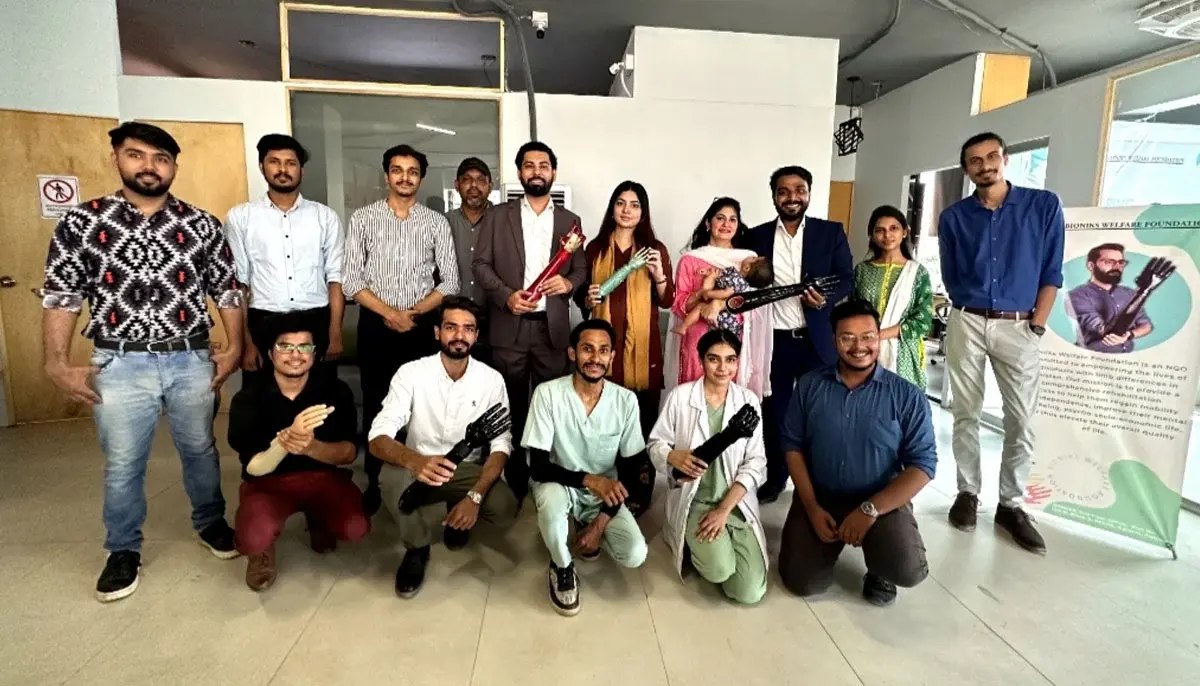
In a country where access to advanced rehabilitation technology remains limited, Pakistani startup BIONIKS is redefining what is possible in prosthetics through innovation, engineering, and a strong commitment to human dignity. Founded by Anas Niaz, the company was created with the goal of making high-quality, affordable prosthetic limbs accessible to people who would otherwise never receive them.
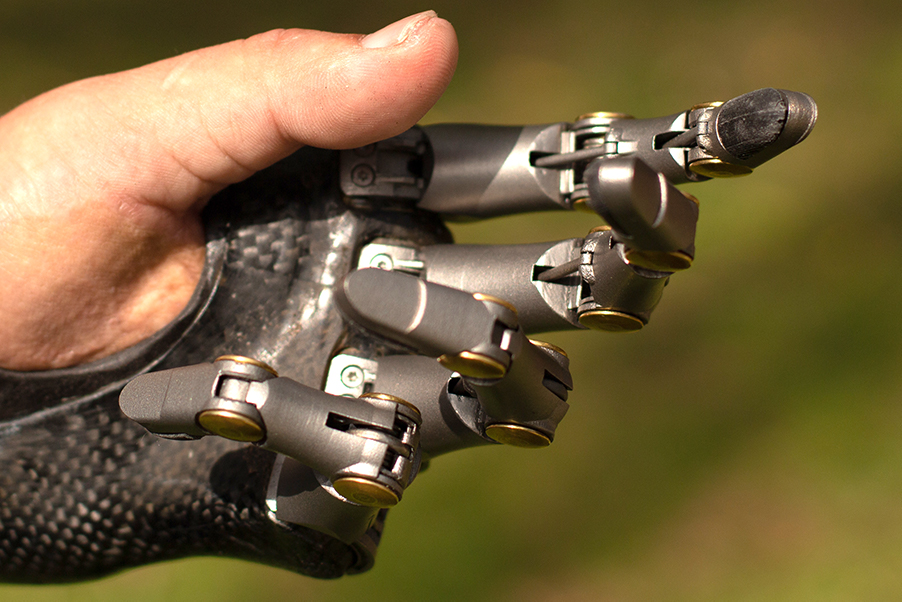
Niaz, an engineer by training, began working on prosthetic technology while still a student, driven by the belief that modern engineering should directly improve lives. What started as a university project has grown into one of Pakistan’s most recognised assistive technology companies, developing functional, low-cost prosthetic hands using 3D printing, electronics, and locally developed components. The focus from the beginning was not only technical performance, but also affordability and accessibility for patients in low-resource settings.
BIONIKS has since fitted hundreds of patients across Pakistan, many of them children and young adults who lost limbs due to accidents, illness, or conflict. The company’s approach combines digital design, remote fitting methods, and lightweight materials, allowing devices to be produced faster and at a fraction of the cost of imported prosthetics. This has made it possible to reach patients in regions where traditional prosthetic services are either unavailable or too expensive.
According to Niaz, the real challenge in prosthetics is not only building advanced technology, but ensuring that the technology reaches the people who need it most. In many developing countries, the cost of a modern prosthetic limb can be several times the average annual income, meaning that thousands of amputees live without any functional support. By using digital manufacturing and local production, BIONIKS aims to close that gap.
The company has also focused on making prosthetic devices more acceptable for younger users by offering custom designs, colours, and themed covers that help children feel confident wearing their prosthesis. This attention to psychological as well as physical rehabilitation reflects the company’s broader philosophy — that prosthetics are not just mechanical devices, but tools that restore independence, confidence, and participation in daily life.
Beyond Pakistan, BIONIKS has begun working internationally, providing prosthetic support to patients in conflict-affected regions and collaborating with healthcare providers to deliver remote fitting solutions. The use of digital scanning and virtual consultations allows prosthetic devices to be designed without the patient needing to travel, an approach that is particularly valuable in humanitarian settings.
As the company continues to grow, its mission remains centred on the idea that engineering should serve humanity. By combining modern manufacturing technology with a social impact mindset, BIONIKS is demonstrating how innovation in prosthetics can restore mobility, dignity, and opportunity to people who might otherwise be left behind.