 By
By

Biomedical engineer Shriya Srinivasan has been named a 2026 Sloan Research Fellow, recognising her pioneering work in neural interfaces and biohybrid medical technologies. The award is presented annually by the Alfred P. Sloan Foundation to outstanding early-career scientists whose work shows exceptional promise for shaping the future of their fields.
Srinivasan is an assistant professor of bioengineering at the Harvard John A. Paulson School of Engineering and Applied Sciences, where she leads research exploring how neural systems communicate across the body.
Recognising the Next Generation of Scientific Leaders
The Sloan Research Fellowships are among the most prestigious honours for early-career researchers in North America. Each fellow receives $75,000 over two years to support their research programs.
The awards highlight scholars whose work demonstrates both strong scientific achievements and the potential to become leaders in their disciplines.
Srinivasan is one of several Harvard-affiliated researchers recognised in the 2026 cohort.
Biohybrid Technologies and Neuroprosthetics
Since joining Harvard in 2023, Srinivasan has founded and now directs the Harvard Biohybrid Organs and Neuroprosthetics (BIONICS) Lab. The interdisciplinary lab focuses on understanding how neural circuits regulate functions across the body, including sensation and digestion.
Her research explores how bioelectronic devices can interact with the nervous system to modulate physiological signals. The goal is to develop technologies capable of restoring or even enhancing biological function.
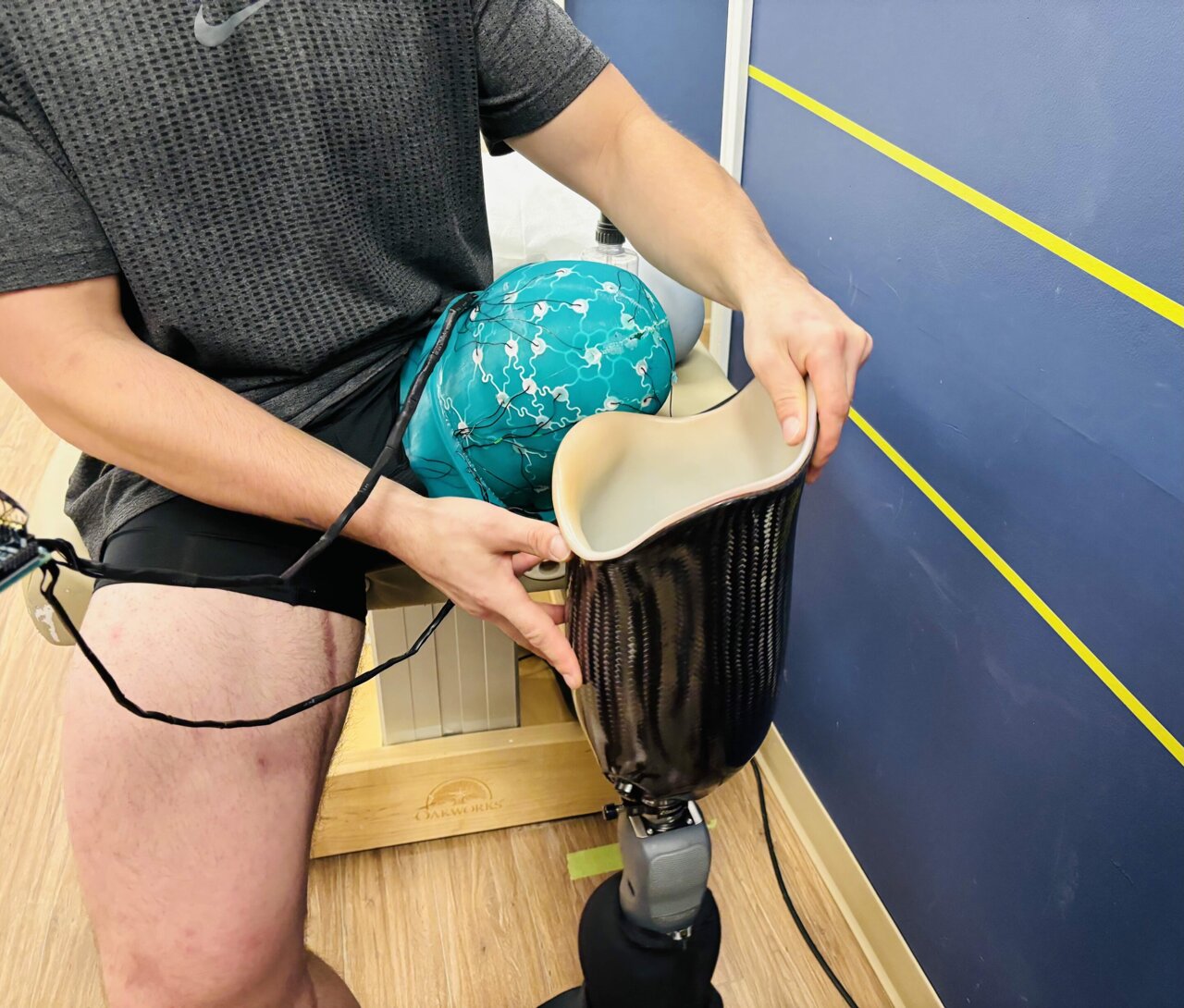
Earlier in her career, Srinivasan contributed to the development of neural interface systems designed to improve how amputees control prosthetic limbs and experience sensory feedback.
Expanding Neuroprosthetics Beyond Limbs
Srinivasan’s current research expands these concepts beyond limb prosthetics to the enteric nervous system, the complex network of neurons that regulates digestive function.
Her team is developing ingestible bioelectronic devices that can access neural pathways from within the gastrointestinal tract. These devices aim to monitor and influence signals along the gut–brain axis, an area of growing interest in medical research.
By combining these interfaces with adaptive control algorithms, the lab hopes to create systems that dynamically regulate physiological signals. Such technologies could open new treatment pathways for metabolic and gastrointestinal disorders.
A Career at the Intersection of Engineering and Medicine
Srinivasan earned her PhD through the Harvard–MIT Program in Health Sciences and Technology and previously studied biomedical engineering at Case Western Reserve University.
Her work has already attracted international recognition. She has received honours including the National Academy of Engineering Gilbreth Lectureship and the Lemelson–MIT Student Prize, and has been named among leading young innovators by technology publications.
Advancing the Future of Bioelectronic Medicine
The Sloan Fellowship will support Srinivasan’s research into enteric neuromodulation, an emerging field that combines neuroscience, engineering and bioelectronics to influence neural signalling in the body.
As biohybrid devices and neural prosthetics continue to evolve, her work could help redefine how clinicians treat disorders linked to the nervous system.
For fields such as prosthetics, neuroengineering and rehabilitation medicine, these developments represent an important step toward technologies that interact more seamlessly with the human body.