 By
By
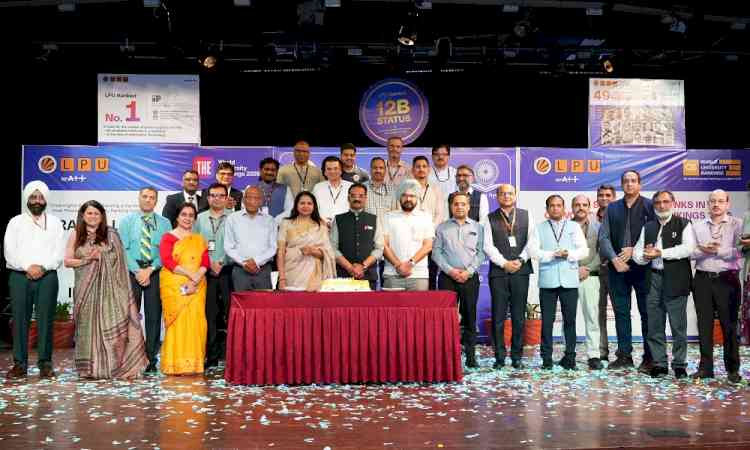
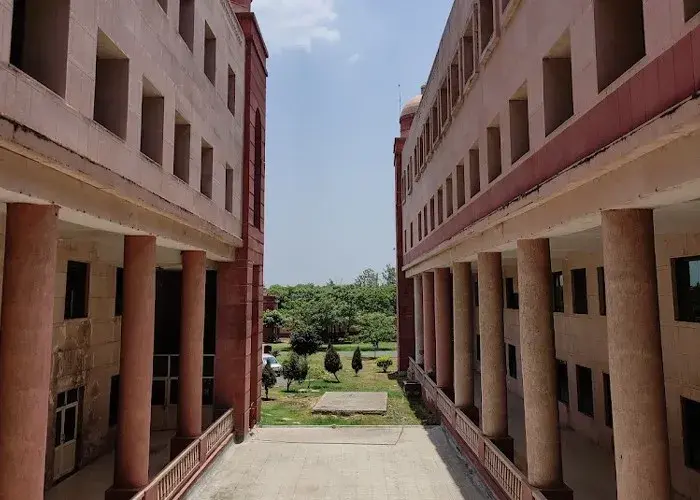
Students from the University Institute of Applied Management Sciences (UIAMS), Panjab University, recently visited Tynor Orthotics Pvt. Ltd. to gain practical exposure to India’s orthopaedic appliance and rehabilitation product manufacturing sector.
The visit brought 46 UIAMS students to Tynor’s facility, accompanied by Prof. Anupreet Kaur Mavi, Director of UIAMS; Dr. Amandeep Singh Marwaha, Training-cum-Placement Officer; and faculty members Dr. Rachita Sambyal and Dr. Naveen Kumar. The purpose was to help students connect classroom-based management concepts with real-world industrial operations in the healthcare products sector.
Understanding Tynor’s Growth and Market Position
The programme began with an introduction to Tynor’s product range, market presence and approach to innovation in orthopaedic solutions. Tynor describes itself as a leading manufacturer of orthotic soft goods and fracture aids, with a global presence in more than 60 countries.
Students also heard from Dr. Pushvinder Jit Singh, who shared the company’s development journey, including the challenges, strategic decisions and quality focus that helped build Tynor into a recognised Indian healthcare brand. The session highlighted the importance of perseverance, customer focus and consistent product standards in scaling a medical device manufacturing company.
Exposure to Technical Textile Manufacturing
A central part of the visit was a guided tour of Tynor’s technical textile division. Students observed modern production systems, lean management practices and production line processes. They were also introduced to the company’s quality control systems, which are designed to maintain consistent standards across orthopaedic appliances, rehabilitation aids and fracture supports.
For management students, this type of exposure is particularly useful because orthotic and rehabilitation product manufacturing requires coordination across product design, sourcing, production planning, quality assurance, regulatory expectations, distribution and customer support.
Why This Matters for the O&P and Rehabilitation Industry
The visit is relevant beyond business education. India’s orthopaedic support and rehabilitation product sector sits at the intersection of healthcare access, industrial manufacturing and affordable assistive technology.
Companies such as Tynor supply products used across hospitals, rehabilitation centres, pharmacies, orthopaedic clinics and home-care settings. These include braces, supports, fracture aids and related musculoskeletal support products that help patients manage injury, recovery, mobility limitations and long-term orthopaedic conditions.
For students preparing for careers in pharmaceutical management, healthcare management, retail, operations or supply chain roles, understanding how these products are manufactured and distributed can help build stronger links between clinical need and commercial execution.
Experiential Learning for Healthcare Management Students
UIAMS said industrial visits play an important role in helping students understand management concepts in practice. The institute’s Director noted that exposure to industry practices supports innovation, critical thinking and industry readiness.
This aligns with UIAMS’ wider role within Panjab University. The institute was created to offer management programmes in sectoral areas and streams that respond to industry needs for specialised managerial skills.
In this context, the Tynor visit gave students a practical view of how a healthcare manufacturing company integrates production efficiency, product quality, brand development and market expansion.
IMEA CPO Perspective
For IMEA CPO readers, the visit is a useful reminder that the future of orthotics and rehabilitation products depends not only on clinicians and technicians, but also on skilled managers who understand healthcare manufacturing, supply chains, quality systems and patient-centred product delivery.
As demand for affordable orthopaedic supports, rehabilitation aids and assistive products grows across India, the Middle East and Africa, stronger industry-academic engagement will become increasingly important. Students who understand both management principles and healthcare product realities are better placed to support distribution, procurement, operations and service models that improve access.
The UIAMS visit to Tynor shows how experiential learning can introduce future managers to the practical challenges of building and scaling a healthcare manufacturing business. For the wider O&P ecosystem, that connection between education, industry and clinical need is essential.