 By
By
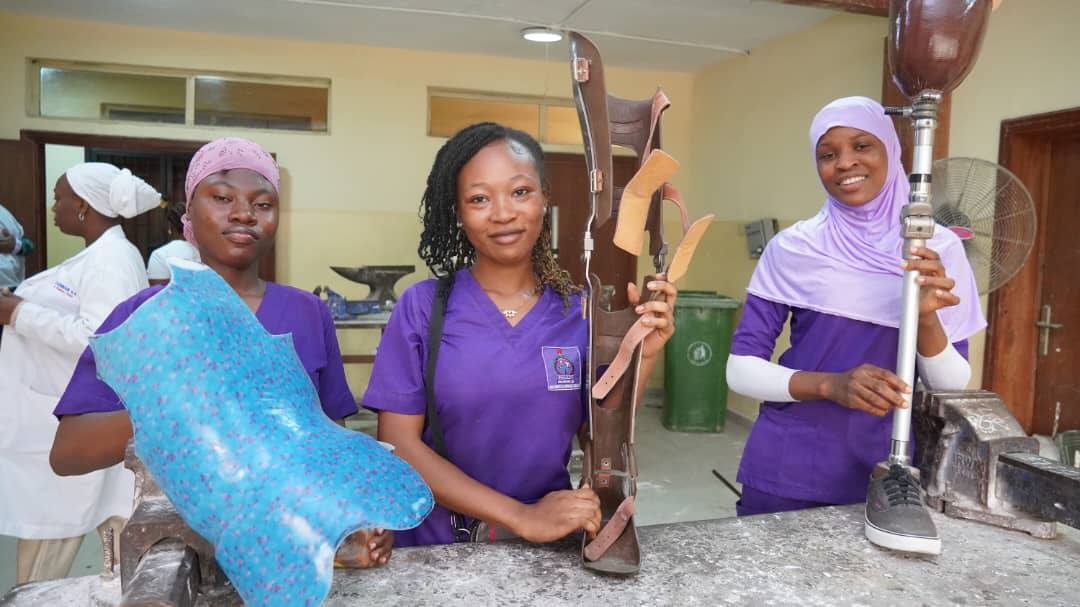
The National Orthopaedic Hospital, Igbobi, Lagos, has formally welcomed 311 newly admitted students into its training programmes for the 2025–2026 academic session, reinforcing the growing demand for skilled professionals in orthopaedics, rehabilitation, prosthetics, and allied health sciences in Nigeria.
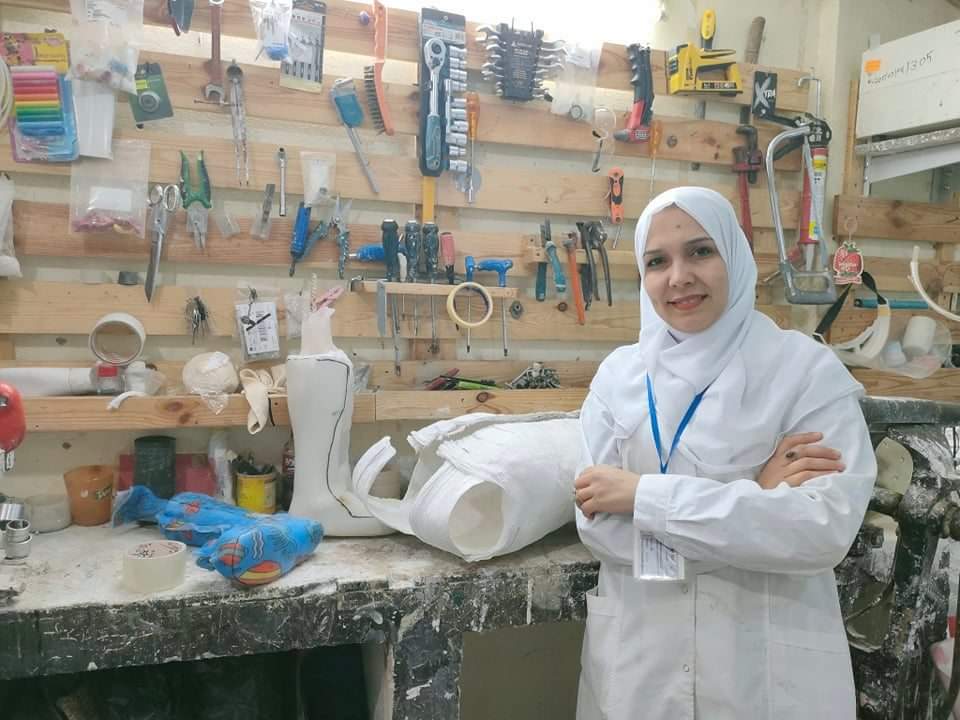
During the matriculation ceremony, students were admitted into multiple programmes including the College of Nursing Sciences, the Federal College of Orthopaedic Technology, and degree courses in Prosthetics and Orthotics. The intake included students enrolled in National Diploma, Higher National Diploma, and Bachelor of Technology programmes, reflecting the hospital’s role as one of the country’s key centres for specialised clinical training.
According to hospital leadership, the new cohort includes students studying orthopaedic cast technology, prosthetics and orthotics, and nursing, alongside direct-entry candidates joining advanced training pathways. The wide range of programmes highlights the multidisciplinary nature of modern rehabilitation services and the need for well-trained technical and clinical personnel.
Addressing the students, the Medical Director emphasised the importance of lifelong learning in healthcare, noting that orthopaedics, rehabilitation, and assistive technology are rapidly evolving fields driven by innovation, research, and new technologies. Students were encouraged to remain curious, disciplined, and committed to professional excellence throughout their training.
Faculty members also reminded the matriculants that technical competence alone is not sufficient in healthcare professions, stressing the need for integrity, teamwork, and adherence to professional standards. With rehabilitation services expanding across Nigeria and the wider African region, graduates are expected to play a critical role in improving mobility, reducing disability, and supporting patient independence.
The National Orthopaedic Hospital, Igbobi, remains one of Nigeria’s leading specialist institutions for orthopaedic care, rehabilitation, and professional training, with a long history of developing skilled clinicians, technologists, and prosthetics and orthotics practitioners who serve both within the country and internationally.
The matriculation of more than three hundred students reflects the continued growth of rehabilitation education in West Africa, and the increasing recognition that strengthening the workforce in prosthetics, orthotics, and orthopaedic technology is essential to meeting the region’s rising demand for mobility and disability services.