 By
By

Behind the scenes at the Winter Paralympic Games, one of the busiest places is not the ski slope or ice rink, but the technical repair workshop where athletes’ prosthetics, wheelchairs, and specialised equipment are fixed, adjusted, and rebuilt — sometimes within minutes — to keep competitors in the event.
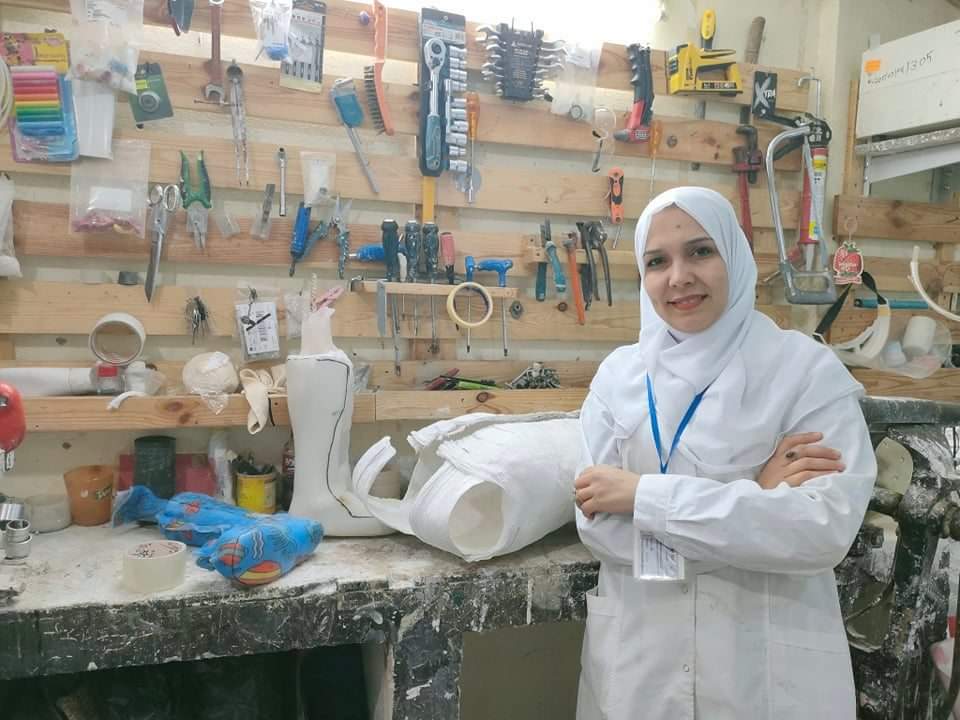
At every Paralympic Games, a full technical service centre is set up inside the athletes’ village, staffed by prosthetists, orthotists, wheelchair technicians, welders, and engineers. The workshop operates around the clock, ensuring that athletes can compete safely even when their equipment is damaged during training or competition.
The demands placed on Paralympic equipment are extreme. Racing wheelchairs, prosthetic limbs, sit-skis, and adaptive sports gear are pushed to their limits, and failures are common, particularly in high-impact sports. A broken component can mean the difference between competing for a medal or being forced out of the Games entirely.
To prevent this, technicians work from fully equipped workshops stocked with spare parts, tools, and specialist machinery. Repairs can range from simple adjustments to complex rebuilds, including welding frames, replacing prosthetic components, modifying orthoses, or fabricating custom parts on site. The service is provided to all athletes, regardless of nationality or equipment brand.
The technical service has been a fixture of the Paralympic Games since 1988, when a small team of prosthetics specialists set up a temporary workshop to help athletes whose equipment had been damaged during competition. What began as a simple tent has grown into a large, highly organised operation with multiple repair centres across competition venues.
At recent Games, the scale of the operation has expanded significantly. Workshops now support hundreds of athletes and handle thousands of repairs, often under intense time pressure. In many cases, repairs must be completed between events, during warm-ups, or even during halftime, highlighting how critical reliable equipment is in Paralympic sport.
For many competitors, the workshop is as important as the training facility. Without immediate access to skilled technicians and spare parts, even the best athletes could be unable to compete. The repair centre ensures that performance is determined by ability and preparation — not by equipment failure.
As adaptive sports technology continues to evolve, the role of these technical teams has become increasingly important. The workshop is no longer just a repair shop; it is an essential part of the Paralympic infrastructure, keeping athletes moving, competing, and reaching the highest level of sport.