 By
By

A U.K.-based podiatrist has raised concerns about the growing shortage of specialist diabetic foot care services in Nigeria, warning that the lack of trained professionals and structured treatment systems is contributing to preventable complications, including high rates of ulceration and amputation.
Speaking on the need for improved foot care services, the specialist noted that diabetes-related foot problems remain one of the leading causes of disability among patients in the country, yet access to proper podiatry and rehabilitation support remains limited. According to the report, many patients only seek treatment after complications have progressed to advanced stages, making recovery more difficult and increasing the likelihood of limb loss.
Shortage of trained foot care specialists
One of the main concerns highlighted is the lack of trained podiatrists and multidisciplinary diabetic foot care teams. Nigeria has very few professionals specialising in foot care, and in many regions such services are not available at all. This shortage places additional pressure on doctors and nurses who may not have specialised training in managing complex diabetic foot conditions.
Experts say that podiatry is an essential part of diabetes care, as early detection of foot problems can prevent ulcers, infections, and amputations. However, training programmes for podiatry and specialised foot care are still limited in Nigeria, making it difficult to build the workforce needed to manage the growing number of patients.
Rising diabetes cases increasing demand for care
The warning comes at a time when the number of people living with diabetes in Nigeria continues to increase. As the disease becomes more common, so do complications affecting the feet, including poor circulation, nerve damage, and slow wound healing.
Medical experts say diabetic foot ulcers are a major cause of hospital admission in the country, and many cases result in amputation because treatment is started too late. Limited awareness, high treatment costs, and lack of specialist services all contribute to the problem.
Need for multidisciplinary treatment centres
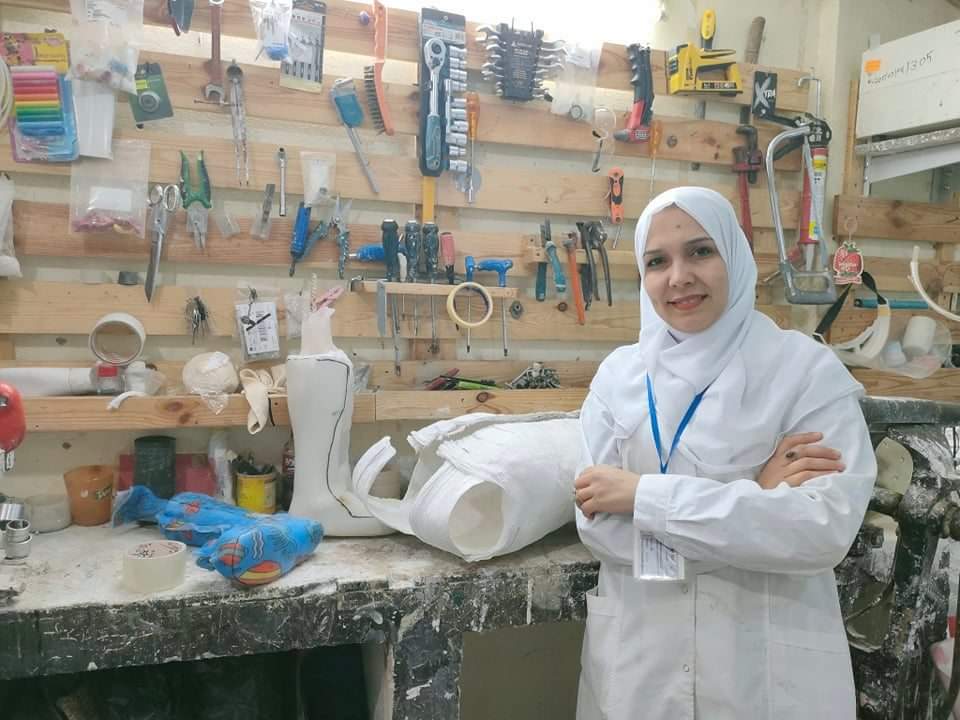
The podiatrist stressed that effective diabetic foot care requires a team approach involving doctors, nurses, orthotists, prosthetists, and wound-care specialists. In countries where such systems exist, amputation rates have been significantly reduced.
In Nigeria, however, many hospitals lack the equipment, trained personnel, and organised referral pathways needed to provide this level of care. As a result, patients often move between clinics without receiving the specialised treatment required.
Call for training, investment, and awareness
To address the shortage, experts are calling for increased investment in training programmes, better funding for rehabilitation services, and stronger collaboration between government, hospitals, and international partners.
Improving foot care education for patients is also seen as critical, as many complications can be prevented through regular screening, proper footwear, and early treatment.
The warning highlights a wider challenge facing many low- and middle-income countries, where the rise in chronic diseases such as diabetes is outpacing the development of specialist rehabilitation and foot care services.