 By
By
The Jordan has one of the most established orthotics and prosthetics (O&P) sectors in the Middle East, supported by a combination of government hospitals, military medical services, international NGOs, and university education programmes. The country plays a significant regional role in rehabilitation, often treating patients from neighbouring conflict-affected countries including Iraq, Syria, and Palestine.
Demand for orthotic and prosthetic services is driven by diabetes, trauma, congenital conditions, neurological disorders, and war-related injuries, alongside the needs of refugees and displaced populations.
Prevalence & Demand Drivers
Diabetes
Jordan has a high and growing prevalence of diabetes, contributing to:
✔ Diabetic foot complications
✔ Peripheral vascular disease
✔ Lower-limb amputation risk
✔ Need for orthotic offloading and footwear
Diabetes-related limb loss remains a major source of prosthetic demand.
Stroke & Neurological Conditions
Stroke and neurological disorders generate long-term rehabilitation needs including:
• AFOs / KAFOs
• Upper-limb orthoses
• Post-stroke bracing
• Mobility aids
Improved survival rates have increased the need for ongoing orthotic support.
Trauma & Conflict-Related Injuries
Jordan treats both local and regional cases related to:
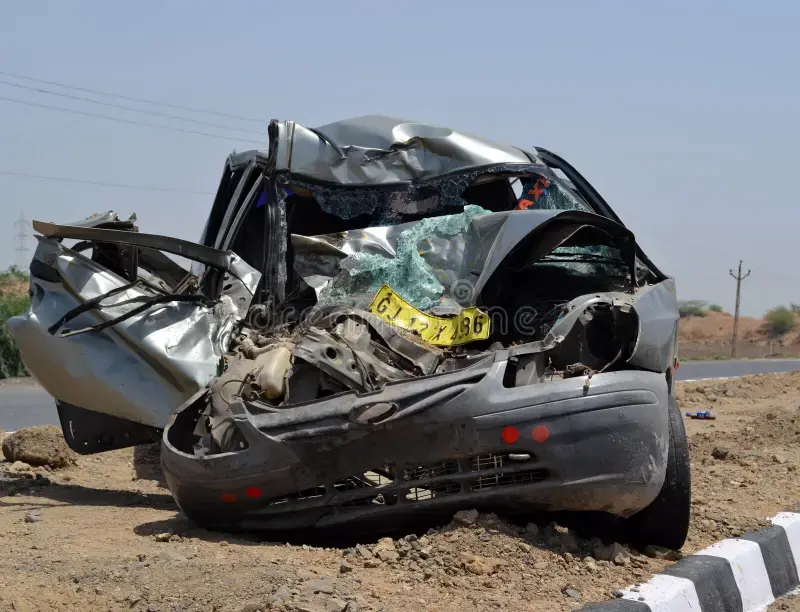
✔ Road traffic accidents
✔ Occupational injuries
✔ Military trauma
✔ War injuries from neighbouring countries
This has made Jordan an important centre for complex prosthetic rehabilitation.
Persons with Disabilities
Jordan has a structured disability support system, with national programmes aimed at improving access to:
✔ Assistive devices
✔ Rehabilitation services
✔ Inclusive education
✔ Social integration
Demand for orthoses and prostheses continues to grow as awareness increases.
Jordan O&P System Snapshot
Jordan operates a mixed healthcare system including public, military, private, and NGO-supported services.
Government Healthcare
Major prosthetic and orthotic services are delivered through:
• Ministry of Health hospitals
• University hospitals
• Royal Medical Services
• Rehabilitation centres
Military & Royal Medical Services
The military healthcare system plays a major role in advanced rehabilitation.
Key institution:
• King Hussein Medical Center
This centre manages complex trauma, prosthetic, and neurological rehabilitation cases.
Humanitarian & NGO Sector
Jordan hosts many international rehabilitation programmes due to regional conflicts.
Organisations frequently involved include:
• International Committee of the Red Cross
• Humanity & Inclusion
• UNRWA
These programmes support:
✔ Refugees
✔ War-injured patients
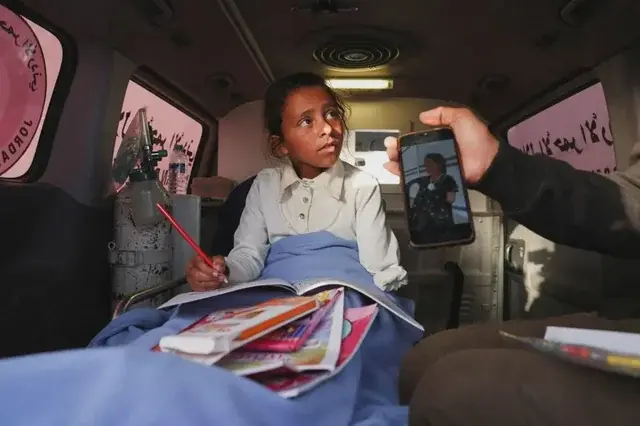
✔ Children with disabilities
✔ Prosthetic and orthotic services
Top Orthotic & Prosthetic Service Providers
1️⃣ Royal Medical Services / King Hussein Medical Center
One of the leading rehabilitation providers in the region, offering:
✔ Prosthetic fitting
✔ Orthotic fabrication
✔ Neurological rehabilitation
✔ Complex trauma care
2️⃣ Ministry of Health Rehabilitation Units
Public hospitals provide:
✔ Orthotic services
✔ Prosthetic fitting
✔ Pediatric bracing
✔ Follow-up care
3️⃣ University of Jordan Rehabilitation Services
University of Jordan
Supports clinical services alongside education and research.
4️⃣ NGO-Supported Prosthetic & Orthotic Centres
International programmes operate clinics serving:
✔ Refugees
✔ Conflict-related amputees
✔ Low-income patients
Often supported by ICRC and other agencies.
5️⃣ Private Orthotic & Prosthetic Clinics
Private providers operate mainly in:
• Amman
• Irbid
• Zarqa
Services include:
✔ Custom orthoses
✔ Prosthetic limbs
✔ Pediatric orthotics
✔ Repairs & adjustments
Education & Training Initiatives
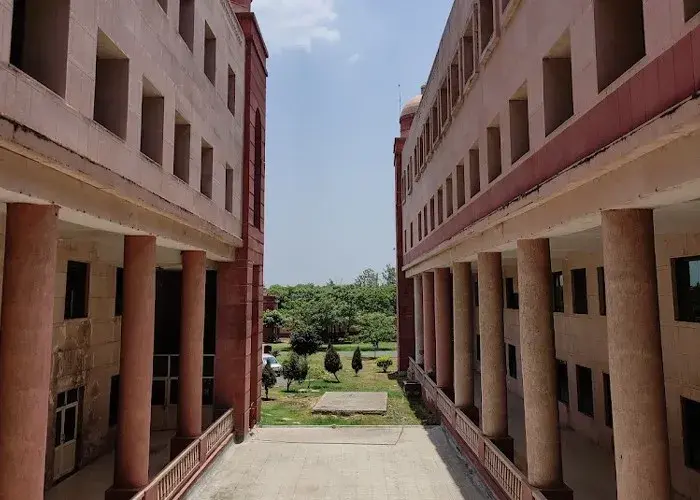
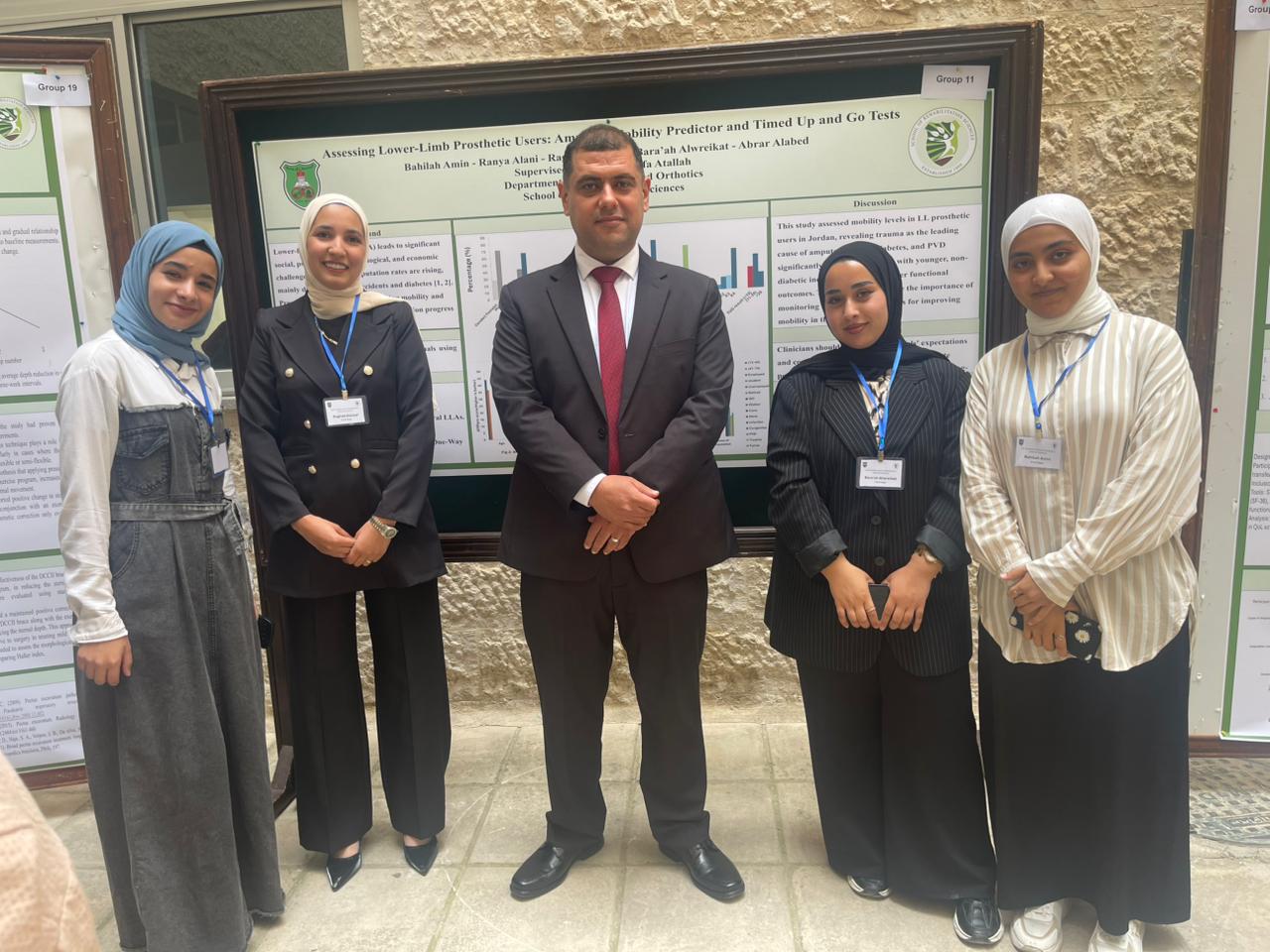
Jordan is one of the few countries in the region with formal academic training in prosthetics and orthotics.
University Programmes
Hashemite University
One of the leading institutions offering education related to rehabilitation sciences and assistive technology.
University of Jordan
Provides programmes in rehabilitation and allied health fields.
Training areas include:
✔ Prosthetics & orthotics
✔ Physical therapy
✔ Rehabilitation sciences
✔ Biomedical engineering
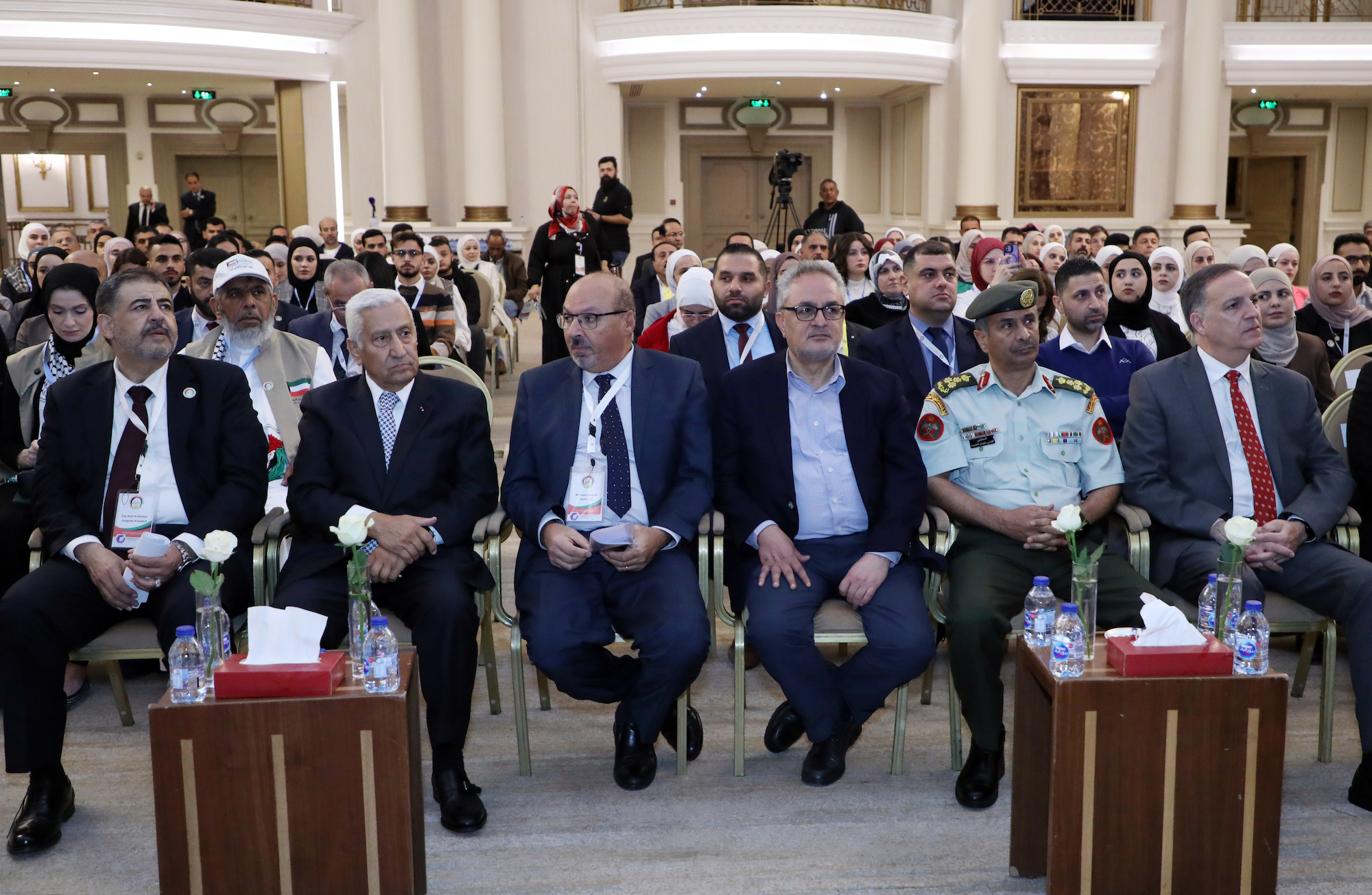
Jordan also hosts regional workshops and professional events linked to ISPO and regional rehabilitation networks.
Reimbursement & Funding Structure
1️⃣ Government Coverage
Jordanian citizens may receive prosthetic and orthotic care through:
✔ Ministry of Health
✔ Royal Medical Services
✔ Government hospitals
Coverage varies depending on eligibility.
2️⃣ Military & Royal Medical Services
Military personnel and eligible families often receive:
✔ Full rehabilitation coverage
✔ Prosthetic devices
✔ Orthotic devices
3️⃣ NGO & Donor Funding
A large portion of prosthetic services — especially for refugees — is funded by:
✔ International NGOs
✔ UN programmes
✔ Charitable organisations
This makes Jordan one of the region’s largest humanitarian O&P markets.
4️⃣ Private Insurance & Self-Pay
Private patients may access care through:
• Private insurance
• Employer coverage
• Out-of-pocket payment
Advanced prosthetic components often require self-funding.
Key Challenges
⚠ High demand due to regional conflict
⚠ Funding dependence on donors for refugee care
⚠ Limited reimbursement for advanced prosthetics
⚠ Workforce shortages
⚠ Uneven service distribution outside Amman
Growth Opportunities
• Regional Rehabilitation Hub
Jordan continues to treat patients from:
• Syria
• Iraq
• Palestine
• Yemen
• Academic & Workforce Development
Strong university involvement supports:
✔ Local training
✔ Research
✔ Professional development
• Expansion of Pediatric Services
Growing demand for:
✔ Early orthotic intervention
✔ Neuromotor support
✔ Congenital limb care
• Digital Fabrication & Modern O&P
Increasing interest in:
• CAD/CAM
• 3D printing
• Central fabrication
• Advanced prosthetics
IMEA CPO Outlook
Jordan remains one of the most important rehabilitation centres in the Middle East, combining academic training, humanitarian programmes, and advanced clinical care. While reimbursement limitations and reliance on donor funding remain challenges, the country’s strong professional community, established education programmes, and regional role in treating complex cases ensure continued growth in orthotic and prosthetic services.