 By
By
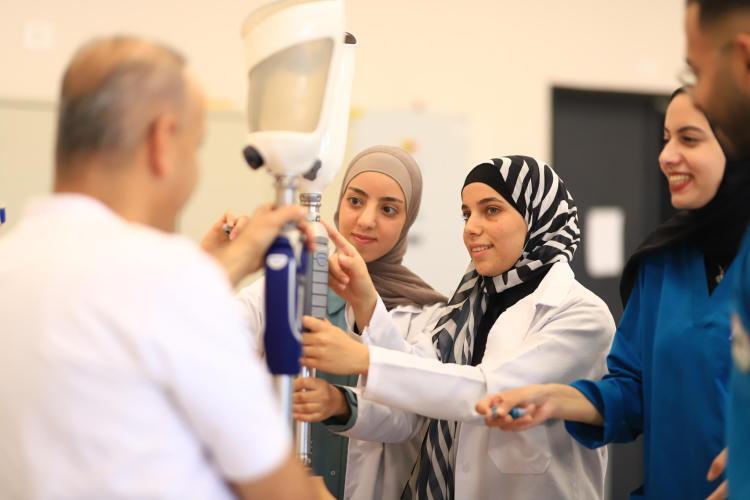
The Palestine has one of the highest per-capita needs for orthotics and prosthetics (O&P) services in the Middle East, due to a combination of conflict-related trauma, diabetes, neurological conditions, congenital disabilities, and limited healthcare resources. Rehabilitation services are delivered through a mix of government hospitals, NGO-supported centres, UN programmes, and private clinics, with strong reliance on international funding.
Demand for prosthetic and orthotic care has increased significantly in recent years, particularly in Gaza Strip and the West Bank, where ongoing conflict and restrictions on movement have affected both injury rates and access to rehabilitation.
Prevalence & Demand Drivers
Conflict-Related Trauma & Amputations
Armed conflict remains a major contributor to limb loss and disability.
Implications for O&P:
✔ High number of traumatic amputations
✔ Increased need for prosthetic limbs
✔ Long-term rehabilitation demand
✔ Pediatric amputee cases
Large numbers of patients require repeat prosthetic replacement, particularly children.
Diabetes
Diabetes prevalence is high across Palestine and contributes to:
✔ Diabetic foot complications
✔ Peripheral vascular disease
✔ Lower-limb amputation
✔ Need for custom footwear and orthoses
Limited early intervention services increase the risk of limb loss.
Stroke & Neurological Conditions
Stroke and neurological disorders generate demand for:
• AFOs / KAFOs
• Upper-limb orthoses
• Spinal orthoses
• Mobility aids
Access to long-term rehabilitation is uneven, especially in Gaza.
Persons with Disabilities
Disability prevalence is elevated due to:
✔ Conflict injuries
✔ Chronic disease
✔ Congenital conditions
✔ Limited access to early care
Assistive device demand continues to grow.
Palestine O&P System Snapshot
The O&P system is built around public hospitals, NGO-supported centres, UN programmes, and charitable organisations.
Government Health Services
The Palestinian Ministry of Health operates hospitals providing basic rehabilitation and orthotic services, but capacity is limited.
Public facilities often depend on external support for:
✔ Materials
✔ Components
✔ Training
✔ Equipment
UN & International Support
The O&P sector relies heavily on humanitarian organisations, including:
• International Committee of the Red Cross
• UNRWA
• Humanity & Inclusion
• Qatar Red Crescent
These organisations support:
✔ Prosthetic centres
✔ Orthotic services
✔ Training programmes
✔ Equipment supply
Regional Referral Dependence
Complex cases are sometimes referred to:
• Jordan
• Egypt
• Israel (when permitted)
Movement restrictions can delay rehabilitation.
Top Orthotic & Prosthetic Service Providers
1️⃣ Artificial Limb & Polio Center – Gaza
One of the main rehabilitation centres in Gaza providing:
✔ Prosthetic limbs
✔ Orthotic devices
✔ Physiotherapy
✔ Pediatric rehabilitation
Often supported by international donors.
2️⃣ Hamad Rehabilitation & Prosthetics Hospital – Gaza
A major modern rehabilitation facility supported by international funding.
Services include:
✔ Advanced prosthetics
✔ Orthotics
✔ Physiotherapy
✔ Neurological rehabilitation
3️⃣ Bethlehem Arab Society for Rehabilitation (BASR)
Bethlehem Arab Society for Rehabilitation
One of the leading rehabilitation centres in the West Bank.
Provides:
✔ Prosthetics & orthotics
✔ Pediatric rehabilitation
✔ Spinal injury care
✔ Multidisciplinary therapy
4️⃣ ICRC-Supported Prosthetic & Orthotic Centres
ICRC supports several workshops providing:
✔ Prosthetic limbs
✔ Orthotic devices
✔ Wheelchairs
✔ Mobility aids
These centres are critical for low-income patients.
5️⃣ UNRWA Rehabilitation Services
UNRWA supports rehabilitation for refugees through clinics in:
• Gaza
• West Bank
• Camps and community centres
Education & Training Initiatives
Formal O&P education is limited, but training programmes exist through partnerships.
University & Training Links
Rehabilitation-related education is offered at:
• Al-Quds University
• Islamic University of Gaza
Arab American University
Training areas include:
✔ Physiotherapy
✔ Rehabilitation sciences
✔ Biomedical engineering
O&P-specific training is often supported by:
• ICRC
• ISPO partners
• International NGOs
• Regional universities
Many clinicians receive training abroad.
Reimbursement & Funding Structure
1️⃣ Government Coverage
Public healthcare provides limited coverage for:
✔ Basic prostheses
✔ Orthoses
✔ Rehabilitation services
Funding constraints often limit availability.
2️⃣ NGO & Donor Funding
A large proportion of prosthetic services are funded by:
✔ International donors
✔ Charities
✔ UN programmes
✔ Gulf humanitarian projects
This is the primary funding source in Gaza.
3️⃣ Out-of-Pocket Payment
Patients sometimes pay for:
• Advanced prosthetic components
• Replacement devices
• Repairs
• Faster service
Costs can be prohibitive.
4️⃣ Humanitarian Project-Based Funding
Many prosthetic programmes operate through:
✔ Short-term projects
✔ Emergency funding
✔ Charity campaigns
This creates instability in long-term service delivery.
Key Challenges
⚠ High rate of traumatic amputations
⚠ Limited local manufacturing
⚠ Dependence on imported materials
⚠ Movement restrictions affecting care
⚠ Funding instability
⚠ Shortage of trained O&P professionals
Growth Opportunities
• Expansion of Rehabilitation Infrastructure
New centres and upgrades are being developed, particularly in Gaza.
• Pediatric Prosthetics & Orthotics
Large number of child amputees requires:
✔ Frequent refitting
✔ Long-term follow-up
✔ Advanced pediatric devices
• International Collaboration
Strong potential for partnerships with:
• NGOs
• Universities
• Regional hospitals
• Technology providers
• Digital & Low-Cost Fabrication
Interest growing in:
• 3D printing
• CAD/CAM
• Modular prosthetics
• Locally produced components
IMEA CPO Outlook
Palestine represents one of the most challenging yet important rehabilitation environments in the IMEA region. Demand for prosthetic and orthotic services is extremely high due to conflict, chronic disease, and limited early intervention. While the sector remains heavily dependent on humanitarian funding, the presence of experienced rehabilitation centres, strong international support, and growing interest in modern fabrication technologies offers opportunities to strengthen long-term mobility care systems.